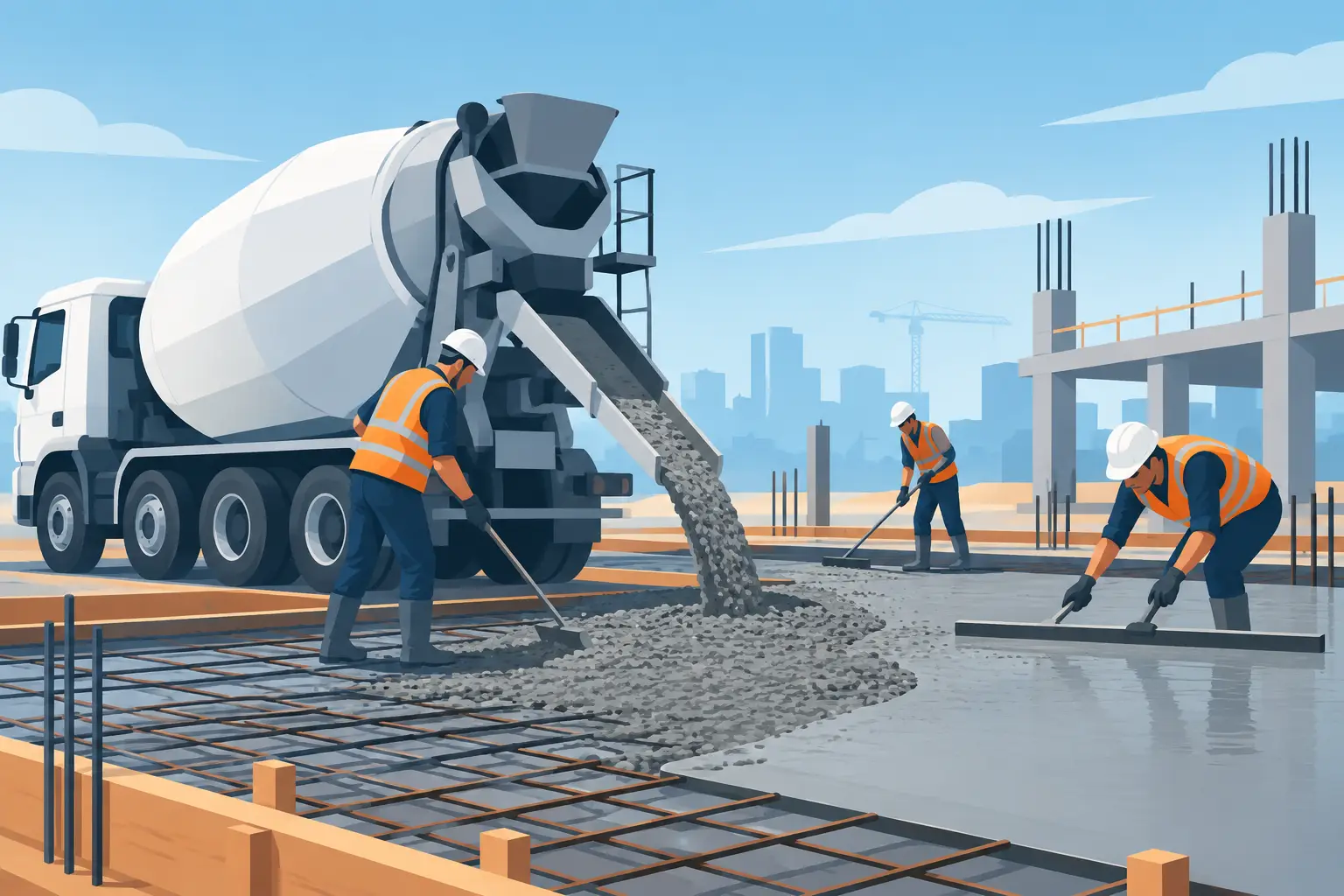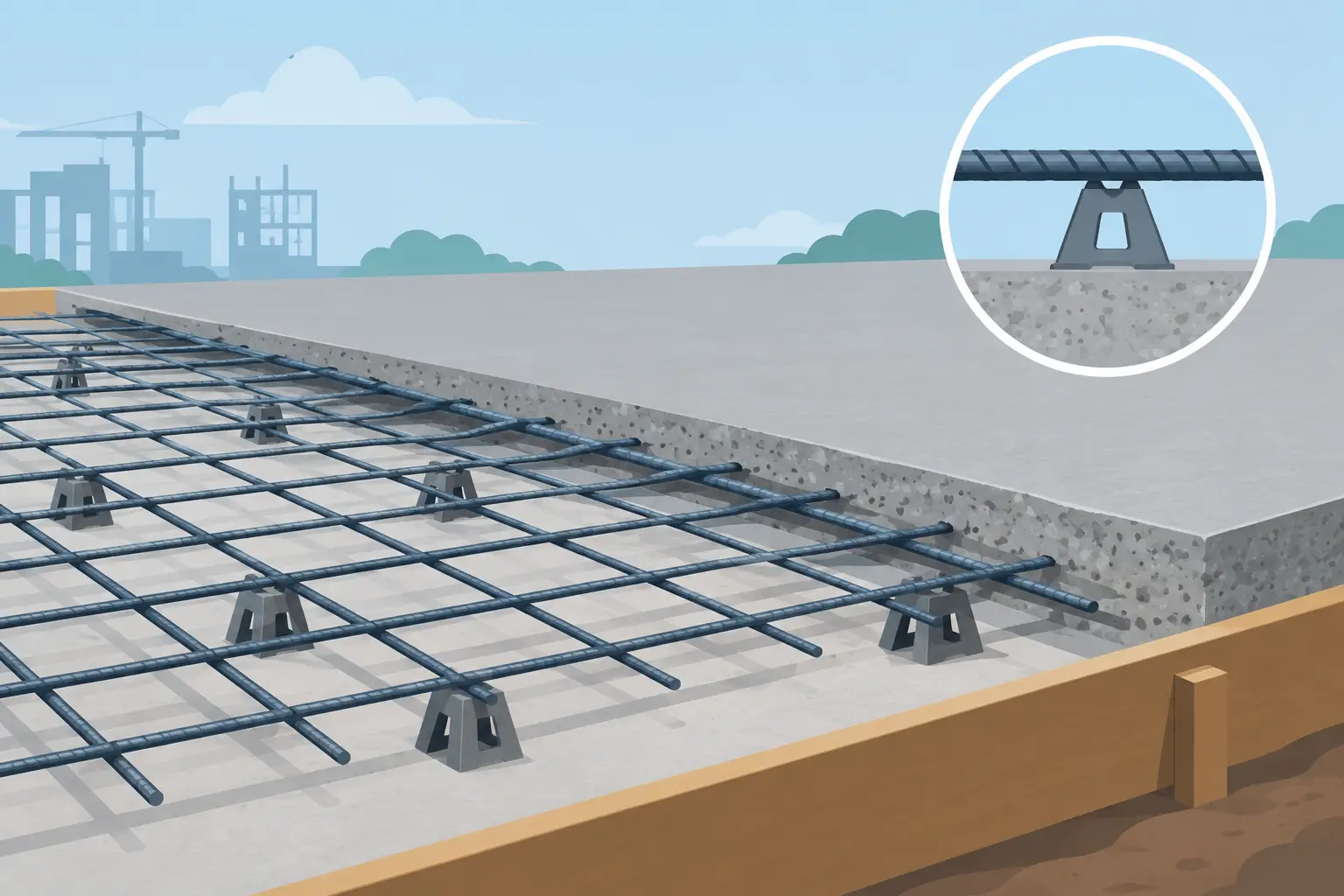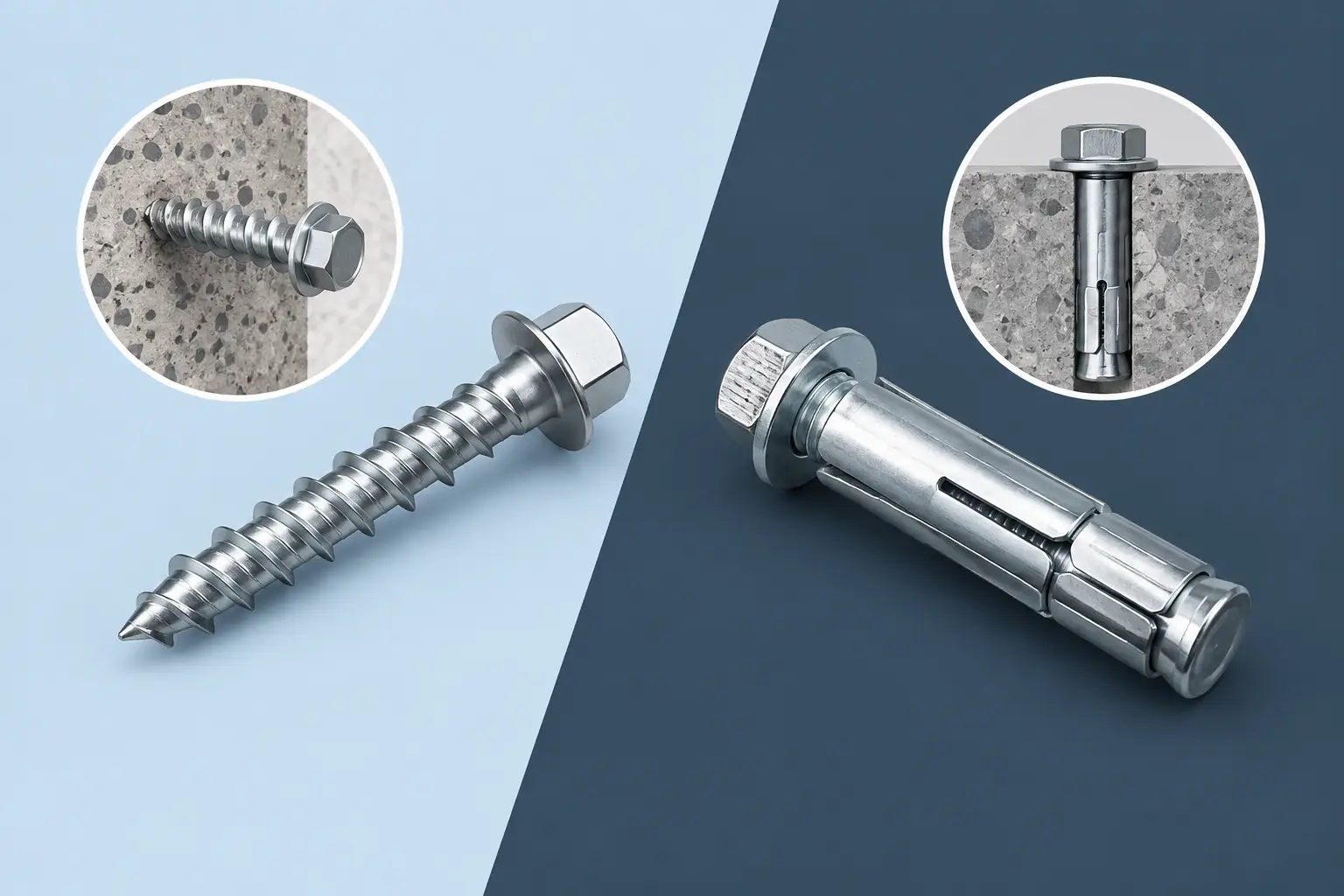
An urgent concrete pour supply example showing how builders confirm rebar, mesh, chairs, tie wire, and delivery before the truck arrives on site safely.

How to Order Rebar Delivery Without Delays
A rebar delivery that shows up with the wrong bar size, the wrong cut lengths, or no clear unload plan does more than waste time. It can stall concrete work, push crews off sequence, and create avoidable cost on site. If you need to know how to order rebar delivery properly, the goal is simple – get the right steel, in the right quantity, to the right place, at the right time.
For most builders, concrete contractors, and civil crews, the ordering part is not difficult. The problems usually start when key details are assumed instead of confirmed. Rebar is not a casual material order. It needs to match the drawings, meet compliance requirements, and arrive in a way that works for the site you are actually running.
How to order rebar delivery without creating site issues
The fastest way to order well is to treat the delivery as part of the build sequence, not just a transport task. Before you call or send through your order, make sure your reinforcement schedule, bar sizes, lengths, and quantities are locked in. If there are still engineering changes, hold the order until those revisions are clear. Ordering too early can be just as expensive as ordering too late if steel has to be reworked or replaced.
You also want to think beyond the rebar itself. Most pours need supporting items ordered at the same time, such as reinforcing mesh, bar chairs, tie wire, stirrups, or concrete fixings. Missing a low-cost support product can hold up work just as quickly as missing the main reinforcement.
A good supplier can move fast, but speed only helps when the information is accurate. That means giving a complete order the first time rather than sending corrections in stages while the truck is already being planned.
Start with the reinforcement details
If you are wondering how to order rebar delivery for a small residential slab versus a larger commercial or civil job, the basic process is the same. The level of detail just gets tighter as the job gets more complex.
At minimum, your order should confirm the bar diameter, grade, lengths, shape requirements if any, and total quantity. If the order includes cut and bent material, those details need to match the latest drawings exactly. Standard stock lengths are straightforward, but fabricated reinforcement leaves less room for guesswork.
This is also the point where compliance matters. Reinforcing steel is structural material, so it is not enough for it to simply look right on the truck. Buyers should be confident that the steel supplied meets the required standards for the job. On projects with engineer review, inspections, or documentation requirements, that matters even more.
If you are ordering mesh alongside bar, confirm sheet type, grade, and sheet count. If the site needs chairs, tie wire, or accessories, add them before finalizing delivery. One order is easier to coordinate than a rushed second run later in the day.
Check quantities against the pour plan
Quantity errors are one of the most common causes of wasted delivery cost. Under-ordering creates urgency and extra freight. Over-ordering ties up cash and leaves steel sitting on site where it can get in the way.
Match quantities to the actual stage of work. If the job is being poured in sections, it may make more sense to split deliveries instead of bringing all reinforcement to site at once. That depends on storage space, theft risk, weather exposure, and whether the crew can safely handle and organize the material without creating congestion.
On tight urban sites, smaller staged deliveries often work better. On larger open sites, a full delivery can be more efficient if there is room to store steel cleanly and access it when needed.
Give the supplier the delivery information they actually need
A lot of delivery problems have nothing to do with the product. They happen because site access was not explained properly.
When placing the order, include the full site address, contact person, phone number, requested delivery date, and preferred delivery window. Then go one step further. Tell the supplier what the truck is driving into. Is it a narrow residential street, a shared commercial yard, a muddy access lane, or a site with restricted unloading space? Does the truck need to reverse in? Are there weight limits, gate codes, or traffic controls?
These details help the supplier plan the right vehicle and avoid failed delivery attempts. They also help the driver arrive ready, rather than losing time calling from the road trying to work out where the load should go.
Be clear about unload capability
Rebar is heavy, awkward, and not something you want to improvise with once it arrives. Some sites have forklifts, telehandlers, cranes, or crews ready to unload. Others need the delivery planned around what is actually available.
If your site has no unload equipment, say that upfront. If your crew can hand-unload only small quantities or short lengths, mention that too. Long bars, mesh packs, and larger fabricated bundles need proper handling. Getting this wrong is a safety issue as much as a timing issue.
The more specific you are, the easier it is to match the delivery method to the site conditions.
Order early enough to protect the schedule
Trade buyers usually call when the job is under pressure, not when everything is comfortably ahead. That is normal, but there is a difference between urgent and unrealistic.
If you know a pour date is approaching, place the order as soon as the steel requirement is confirmed. Leaving it until the day before reduces your options, especially if the order includes larger volumes, cut and bent bar, or combined product lines. Fast delivery support is valuable, but lead time still matters.
The safest approach is to work backward from the install date, not the day you think about procurement. Ask when the steel needs to be on site for fixing, inspection, and any changes before concrete arrives. That date is usually earlier than the pour itself.
For larger projects, staged call-offs can keep supply moving without overloading site storage. For smaller jobs, one well-planned delivery is often enough if the order is complete.
Confirm pricing before the truck is booked
Price matters, especially when steel volumes climb and freight is part of the job cost. Clear per-item pricing helps buyers compare accurately and avoid surprises after dispatch.
When ordering, confirm what is included in the quoted price. Is freight separate? Are there minimum order values for delivery? Do urgent deliveries change the cost? If the order includes fabricated items or non-standard lengths, make sure those are clearly listed.
A straightforward supplier will make pricing easy to follow. That helps procurement teams, site managers, and owner-builders approve orders faster and reduce back-and-forth.
If the project is price-sensitive, it can also make sense to consolidate related products into one delivery. That may reduce freight duplication and simplify receiving on site.
Double-check the order before dispatch
Before the order is released, review it once as if you are the person receiving it on site. Are the bar sizes correct? Are the quantities aligned with the latest drawings? Is the delivery date right? Have accessories been included? Does the site contact know the delivery is coming?
This final check catches a lot of preventable mistakes. It is especially useful when multiple people are involved, such as a project manager approving quantities, a buyer placing the order, and a foreman receiving delivery.
For urgent jobs, a direct phone conversation is often the safest option. It gives both sides a chance to confirm the details quickly and sort out any issues around stock, access, or timing. That is one reason many contractors prefer dealing with a supplier that offers direct contact instead of pushing every order through a slow, layered process.
What changes for large-volume or urgent orders
Large commercial and civil orders need more coordination, but the same basic principles apply. The difference is that delivery sequencing becomes a bigger part of the order itself. You may need split loads, multiple delivery dates, or coordination with crane lifts and install crews.
Urgent orders are different in another way. When time is tight, clarity becomes more important than ever. A rushed order with vague quantities and poor site instructions is not really fast. It just moves the problem downstream.
That is where an experienced reinforcement supplier earns their keep. Quality Steel Supplies, for example, works with buyers who need compliant steel, clear pricing, and Auckland-wide delivery that matches the pace of real project work. For trade customers, that practical approach matters more than sales talk.
The order is only successful when the steel is usable on arrival
Knowing how to order rebar delivery comes down to one mindset: do not order steel in isolation from the job. Order it for the exact stage, access conditions, handling plan, and specification in front of you. When those details are clear, delivery gets easier, crews stay productive, and the reinforcement that lands on site is ready to use instead of ready to argue about.
A good order saves more than freight – it protects the day you were planning to build.
Related Posts