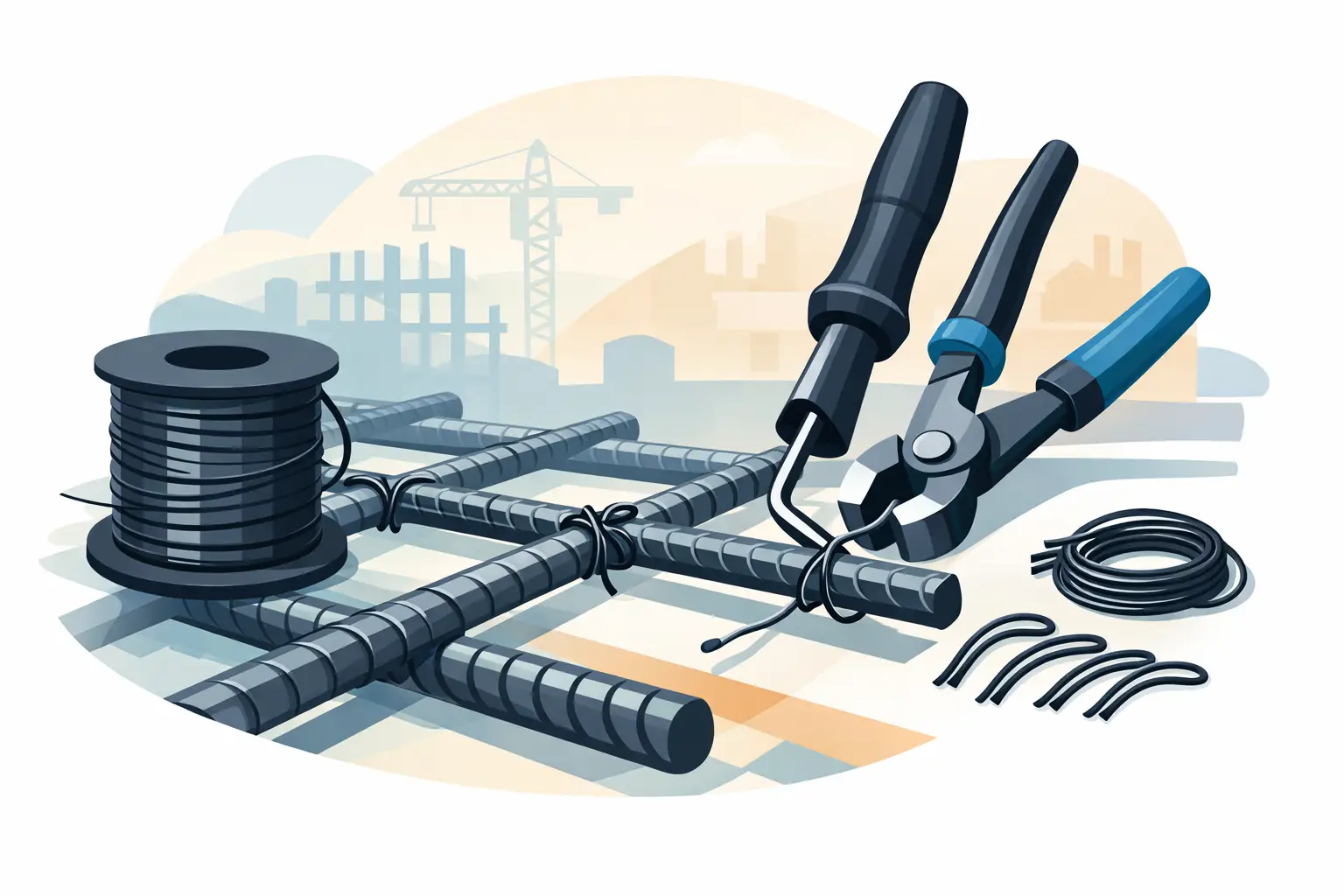
Tie wire for rebar keeps steel secure during placement. Learn wire types, gauges, coatings, and how to choose the right option for site work.

Bulk Reinforcing Steel Order Tips
A bulk reinforcing steel order can save time and money – or create expensive site delays if the basics are missed. On busy pours, slab prep, foundation work, and structural jobs, the difference usually comes down to ordering accuracy, compliance, and delivery timing. If the mesh is wrong, the bar schedule is incomplete, or site access has not been sorted, the problem shows up fast.
For trade buyers, the goal is not just getting steel delivered. It is getting the right steel, in the right quantities, in the right sequence, without holding up labor, pumps, formwork, or inspections. That means treating reinforcement purchasing as a job planning task, not a last-minute materials call.
What a bulk reinforcing steel order really involves
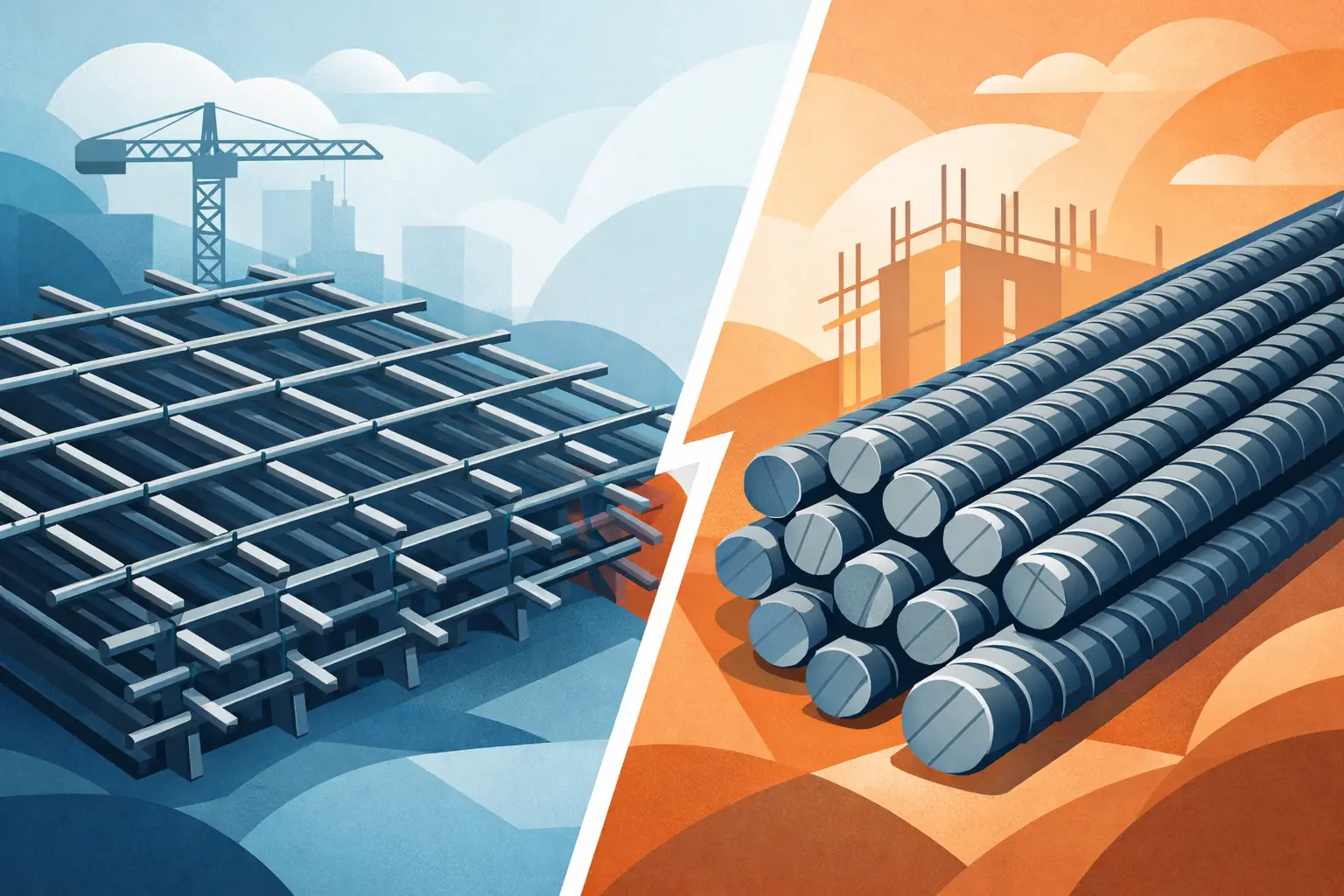
Large-volume reinforcement orders are rarely just one line item. Most jobs need a mix of reinforcing bar, reinforcing mesh, tie wire, bar chairs, stirrups, and sometimes related concrete accessories that keep the install moving. On paper, that may look straightforward. On site, every missing item becomes a labor problem.
This is why experienced buyers usually build the order around the pour sequence and install method, not just around the structural drawings alone. A slab package may need standard mesh sheets, extra bars around penetrations, chairs at the right cover height, and enough tie wire to avoid crews stretching what is left in the truck. A footing or wall package may involve different bar diameters, cut lengths, bends, and spacing requirements that need to be clear before dispatch.
When quantities get larger, small errors scale up. Ordering light by a few sheets or a few lengths can stop a crew. Ordering too heavy can tie up cash and crowd the site with steel that has nowhere clean and safe to sit.
Start a bulk reinforcing steel order with the install plan
The fastest way to create problems is ordering from a rough takeoff without checking how the steel will actually be placed. Before placing a bulk reinforcing steel order, confirm the structural requirements against the practical install sequence.
That means checking bar sizes, mesh grades, laps, cover requirements, footing details, slab thickening zones, and any areas that need additional trimming or starter bars. If a job has multiple pours, it often makes more sense to split supply into stages rather than flood the site with all material at once. Staged deliveries can reduce handling, lower damage risk, and make site storage easier. The trade-off is that timing has to be tighter, and supplier communication matters more.
For smaller sites, access can be just as important as the material list. Long bar lengths, mesh sheet bundles, and palletized accessories all need space to unload. If the truck cannot get close to the laydown area, the labor cost of moving steel manually starts climbing straight away.
Compliance is not the place to guess
Reinforcement is not a product category where close enough works. Buyers already know that, but pressure on timelines can push ordering decisions too fast. The job still needs compliant material that matches specification, especially when the reinforcement will be inspected before the pour.
A good order starts with clear confirmation of what is specified and what is actually required on site. That includes the correct mesh type, bar diameter, bar grade where relevant, stirrup requirements, and any supporting items needed to maintain cover and placement. If there is uncertainty between the drawing set, the engineer’s details, and what the crew expects to install, sort that before delivery.
There is also a cost angle here. The cheapest line price is not always the lowest total job cost if the material arrives incomplete, non-compliant, or unsuitable for the work sequence. Reordering, redelivery, crew downtime, and inspection issues usually wipe out any initial saving.
Quantities: where large orders go wrong
Most bulk order mistakes are not dramatic. They come from quantity assumptions that were never checked properly. Mesh counts are often underestimated once overlaps and wastage are factored in. Bar quantities can drift when site variations are not added to the takeoff. Accessories are commonly treated as minor items, then become the reason the steel cannot be fixed efficiently.
On larger jobs, it helps to separate the order into three buckets: primary reinforcement, placement accessories, and contingency stock. Primary reinforcement is the core mesh and bar package. Placement accessories include chairs, tie wire, spacers, and fixings. Contingency stock is the small margin that protects the job against breakage, cutting losses, design tweaks, and minor omissions.
The right contingency depends on the project. A clean, repetitive slab job may need very little extra. A site with multiple details, service penetrations, and ongoing revisions may justify more. There is no perfect universal number. It depends on complexity, lead time risk, and how costly a shortfall would be on the day.
Delivery timing matters as much as price
Most crews can work around a lot of site issues. Late reinforcing steel is harder to absorb because it affects too many linked trades. Formwork, pumping, concrete bookings, labor allocation, and inspections all start to drift when material is not on site when promised.
That is why delivery planning should be part of the order conversation from the start. Confirm the required date, preferred delivery window, unload conditions, site contact, and whether the job needs one drop or staged drops. If the site has restricted access, limited crane time, or neighborhood delivery constraints, say so early.
Urgent orders are sometimes unavoidable. Variations happen, quantities change, and jobs move faster than expected. But if every steel order is urgent, procurement is reacting instead of controlling the program. Reliable supply works best when the supplier gets enough information to dispatch accurately and on time.
For Auckland projects, local delivery speed can be the difference between keeping a pour on track and losing a full day. That is one reason buyers often prefer dealing directly with a reinforcement-focused supplier rather than getting passed through a general merchant process.
Pricing a bulk reinforcing steel order properly
Trade buyers do not need sales language. They need to know what they are paying for and whether the order will perform on site. Clear pricing helps, but line-item price alone does not tell the full story.
When comparing suppliers, look at what is actually included. Check whether the quoted package reflects the specified mesh and bar sizes, whether accessories are priced separately or omitted, and whether delivery is aligned with the site program. A lower number can look attractive until you add missing chairs, extra tie wire, split deliveries, or urgent top-up runs.
This is where a direct product-led supplier can make life easier. Transparent catalog pricing and direct human contact reduce the back-and-forth that slows procurement down. If the order is large or time-sensitive, being able to confirm details quickly matters.
Quality Steel Supplies fits that practical model – compliant reinforcement products, clear pricing, and fast Auckland-wide delivery for jobs that need materials without procurement drag.
What to have ready before you place the order
A smooth order usually starts with a buyer who can provide clean information. That does not mean every job is perfectly documented. It means the critical details are ready.
At minimum, confirm the drawing reference or takeoff basis, required mesh and bar sizes, estimated quantities, delivery address, site access conditions, unload contact, and target delivery date. If the job is staged, note what is needed first and what can follow later. If there is any uncertainty around substitutions or equivalent products, raise it before dispatch rather than after the truck arrives.
This also helps the supplier flag obvious gaps. In many cases, experienced reinforcement suppliers can spot missing accessories or quantity mismatches simply because they see the same site issues every day. That kind of practical check is useful, especially on fast-moving jobs where office and site teams are working under pressure.
The best bulk orders are boring
That is not a bad thing. A good reinforcement order is one that turns up complete, compliant, and on time, with no site drama attached. The steel gets unloaded where it needs to go, the fixers have what they need, and the pour stays on program.
The more volume involved, the more that result depends on basic discipline – accurate takeoffs, clear specs, sensible contingencies, realistic delivery planning, and a supplier that understands construction timing. Get those right, and a bulk reinforcing steel order becomes exactly what it should be: a routine part of keeping the job moving.
If you are placing a large order, slow down for ten minutes before you send it. Check the schedule, check the access, check the accessories, and check the delivery sequence. That short pause is often what keeps the whole site moving tomorrow.
Related Posts