What causes asphalt cracks? Learn how water, traffic, heat, poor drainage, and weak base preparation damage pavement - and how to plan lasting repairs.
How to Order Reinforcing Steel Right
A slab crew standing around waiting on steel is expensive. So is ordering the wrong mesh, missing chairs, or finding out too late that your bar schedule does not match what is actually needed on site. If you want to know how to order reinforcing steel without slowing the job down, the process starts well before the purchase order goes out.
Good ordering is not just about quantity. It is about matching the structural requirement, the build sequence, and the delivery plan. For builders, concrete contractors, civil crews, and owner-builders, that means getting clear on product type, size, compliance, and access before the truck is booked.
How to order reinforcing steel without costly mistakes
The fastest orders usually come from the best-prepared buyers. Reinforcing steel is straightforward when the details are sorted early, but small gaps in information create big problems. A missed bar diameter, unclear mesh type, or rough quantity estimate can lead to waste, delays, or extra freight.
Before ordering, start with the drawings and engineering documents. Do not rely on memory from a similar past job. Reinforcement requirements change from project to project, especially across residential footings, commercial slabs, retaining walls, suspended elements, and civil works.
You need to confirm what the design actually calls for. That usually includes bar diameter, bar grade, mesh type, sheet size, spacing, cut lengths, bends, and lap requirements. If accessories are part of the install, they need to be treated as part of the steel order, not as an afterthought.
Start with the exact reinforcement spec
On most jobs, the first question is whether you need bar, mesh, or both. Mesh is common for slabs and flatwork where sheet coverage and speed matter. Reinforcing bar is used where specific placement, structural loads, bends, starter bars, or tied cages are required. Many projects need a combination.
This is where ordering can go wrong if the buyer only asks for “rebar” or “mesh” without the full detail. A supplier needs the actual product requirement, not the general category. For example, the difference between one mesh grade and another is not minor if the engineer has specified a particular load capacity or spacing.
If the documents show cut and bent bar, provide the schedule exactly as listed. If you are ordering straight lengths to cut on site, be realistic about labor, waste, and handling. Factory-prepared material can reduce site time, but on smaller jobs straight stock may still make sense. It depends on the complexity of the work and how tight the program is.
Measure quantity properly, then add for reality
Accurate quantity matters because reinforcing steel is heavy, price-sensitive, and not something you want to reorder halfway through a pour sequence. For mesh, calculate coverage area and account for laps. For bar, total the lengths by size and shape, then convert to pieces or tonnage as needed.
The trap is ordering only to theoretical dimensions. Real jobs include overlap, trimming, starter continuity, and occasional damage or handling loss. If a slab or footing layout is irregular, takeoffs need to reflect that. Ordering too lean can cost more than ordering slightly over, especially if the site is time-critical and a second delivery is needed fast.
That said, padding the order too much is not smart either. Excess steel ties up cash, takes up site space, and may not be usable on the next job. The right approach is a measured allowance based on the job type, not a blind percentage added to everything.
What to confirm before you place the order
Once the takeoff is done, the next step in how to order reinforcing steel is making sure the supplier has everything needed to supply the right material the first time. Trade buyers save time here by sending clean, complete information instead of piecemeal updates.
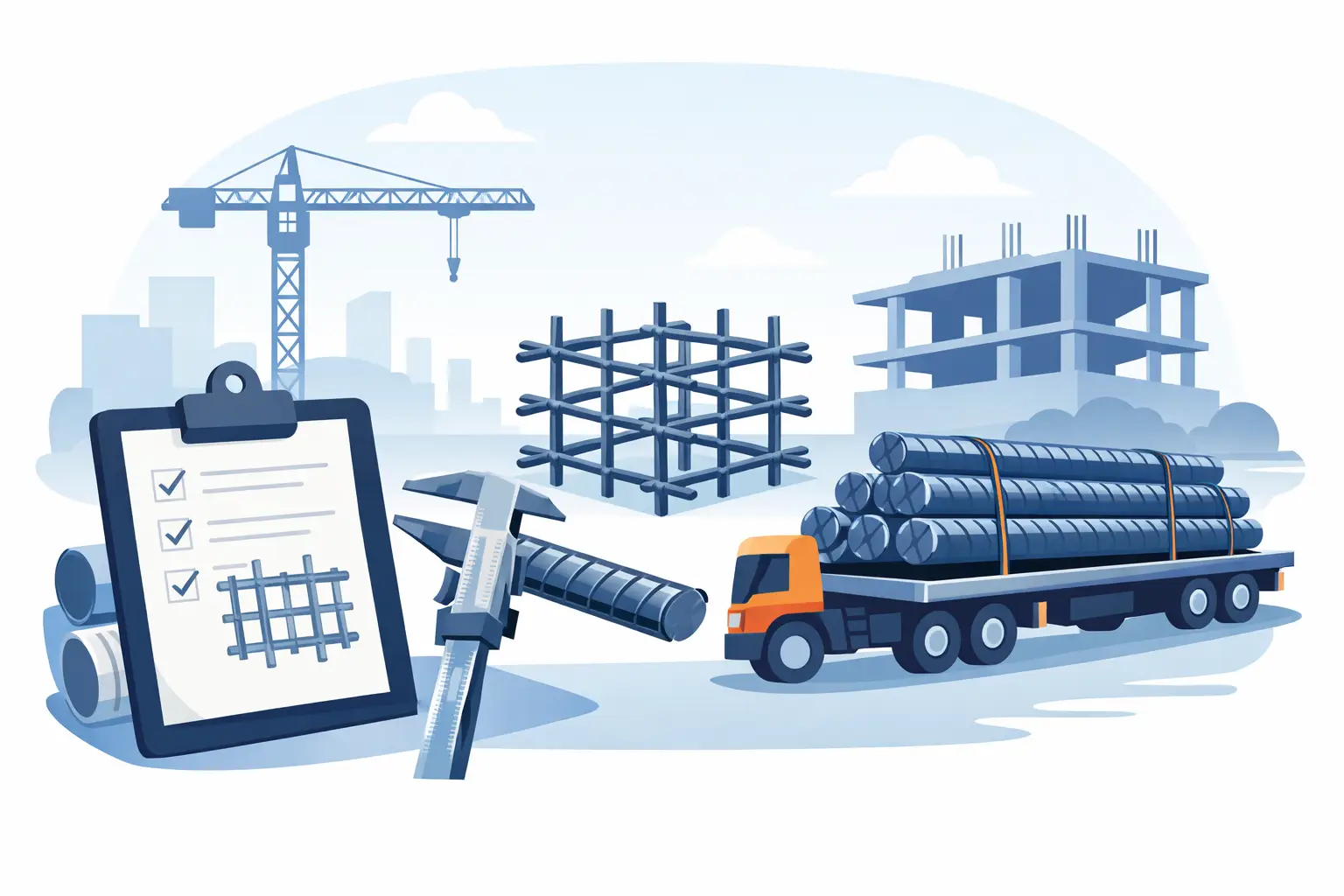
At minimum, confirm product type, size, quantity, and whether the material must meet a specific compliance standard. If there are cut lengths, bends, cages, or stirrups involved, list them clearly. If the order includes mesh, bar chairs, tie wire, or other site essentials, include them on the same request so the install crew has what it needs when the steel lands.
Delivery details matter just as much as product details. A supplier needs the site address, required delivery date, unloading conditions, contact person, and any access limits. If the truck is arriving at a tight residential site, a congested commercial project, or a civil job with staged access, say so early.
Do not forget the supporting items
A surprising number of reinforcement delays have nothing to do with the steel itself. The bar and mesh arrive, but the site is short on chairs, tie wire, spacers, or fixings. Then the crew either stops or starts improvising, neither of which helps quality or schedule.
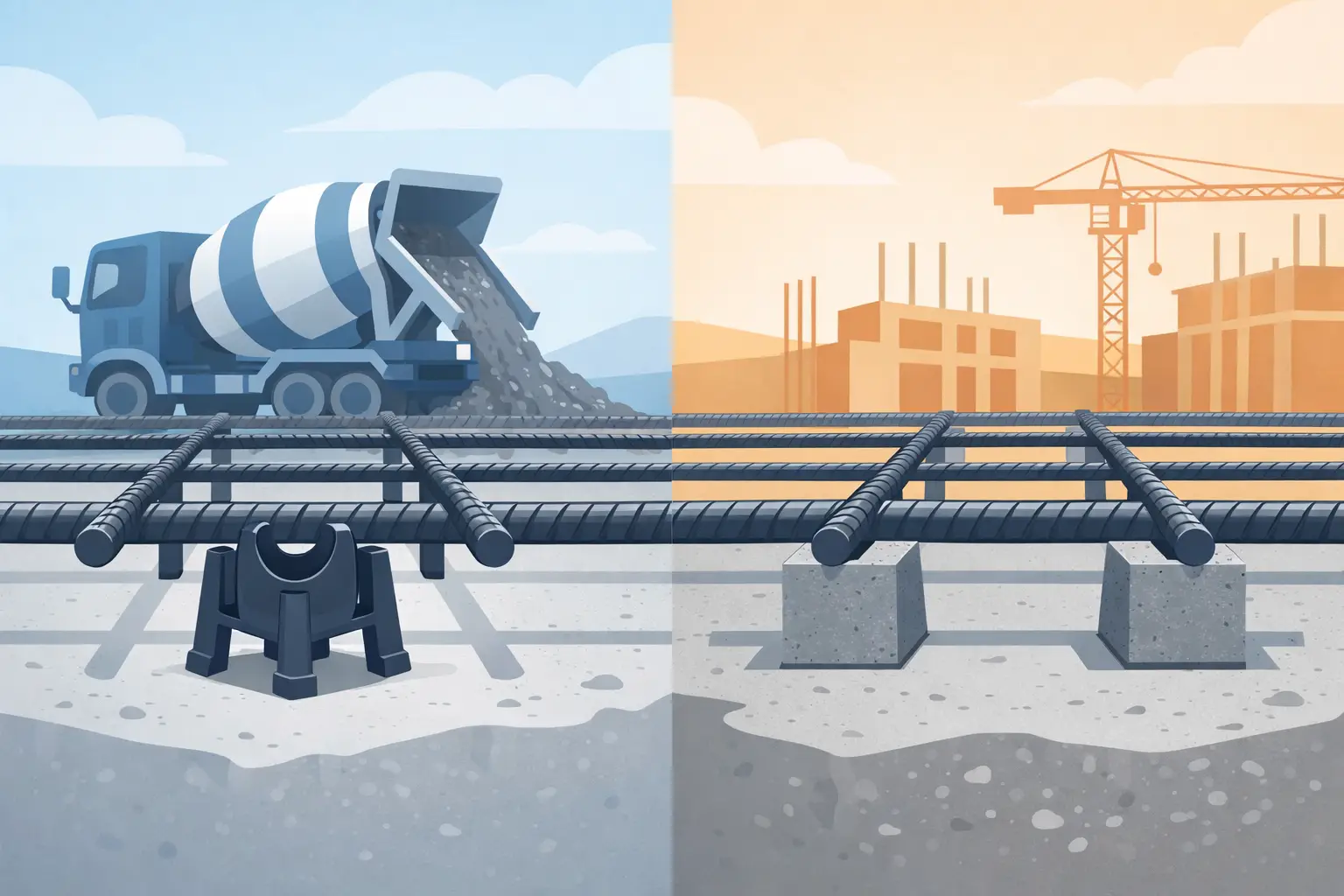
If the reinforcement package is being installed into slab work, footings, walls, or suspended sections, think through the whole placement process. What will the crew need to set cover, tie intersections, support mesh, and secure bars before the concrete arrives? Ordering these items together is usually the cleaner move.
For procurement teams, this also simplifies invoicing and delivery coordination. One consolidated order is easier to track than a steel order followed by a rush call for accessories a few hours later.
Ask about lead time if the job is tight
Not every steel order has the same turnaround. Standard stock lines are generally quicker than custom processing, and large-volume orders may need more planning than a small residential delivery. If the pour date is fixed, the lead time discussion should happen before the order is finalized, not after.
This is especially important when the job sequence is staged. You may not want all reinforcement delivered at once if the site has limited storage or if later-stage materials could be exposed, moved around, or damaged. Split deliveries can make sense, but they need to be planned so supply matches the program.
A dependable supplier will tell you what is realistic. That is better than hearing what you want to hear and finding out later that the material will not land on time.
Pricing, compliance, and why the cheapest line is not always the best one
Most buyers are balancing budget against program pressure. Fair pricing matters, but reinforcing steel is not the place to chase a low number without checking what sits behind it. The real value is in getting compliant material, in the right quantities, delivered when needed.
If the steel does not meet the required standard, any savings disappear fast. The same applies if pricing looks sharp but the delivery window is vague, stock is uncertain, or key items are backordered. Procurement costs are not just about unit rate. They include downtime, rework, freight duplication, and labor inefficiency.
This is why experienced contractors usually look at the full order outcome. Can the supplier provide the reinforcement products needed for the job, quote clearly, and support urgent or high-volume orders without adding confusion? That is often what keeps a project moving.
For straightforward trade supply, Quality Steel Supplies fits that practical model well: compliant reinforcement products, clear pricing, and direct support when timing matters.
How to order reinforcing steel for different job types
The process stays broadly similar, but the emphasis changes by project.
For residential slabs and footings, speed and simplicity often matter most. Buyers typically need standard mesh sheets, trench mesh, bar, chairs, and tie wire with fast delivery and minimal back-and-forth. Clear quantities and site access details usually make the difference.
For commercial work, compliance documentation, volume planning, and staged delivery become more important. These jobs often involve more coordination between procurement, site supervisors, engineers, and concrete teams, so the order needs tighter documentation.
For civil and industrial jobs, handling, transport, and sequencing can carry more weight. Heavy tonnage, larger bar sizes, and site logistics may require a more structured supply plan. In those cases, ordering early and confirming delivery conditions is worth the effort.
Owner-builders should take extra care if they are less familiar with reinforcement terms. The safest move is to order from the actual plans, ask direct questions where anything is unclear, and avoid guessing on substitutions.
A clean order saves more than money
The best steel orders are boring. The right product shows up, the crew installs it, the inspection passes, and the pour goes ahead. That usually comes down to a few simple habits: order from the drawings, check quantities properly, include accessories, confirm compliance, and be honest about delivery timing and site conditions.
When those pieces are handled up front, reinforcing steel becomes one less problem on the job. And on a busy site, that is usually the kind of result everyone wants.
Related Posts