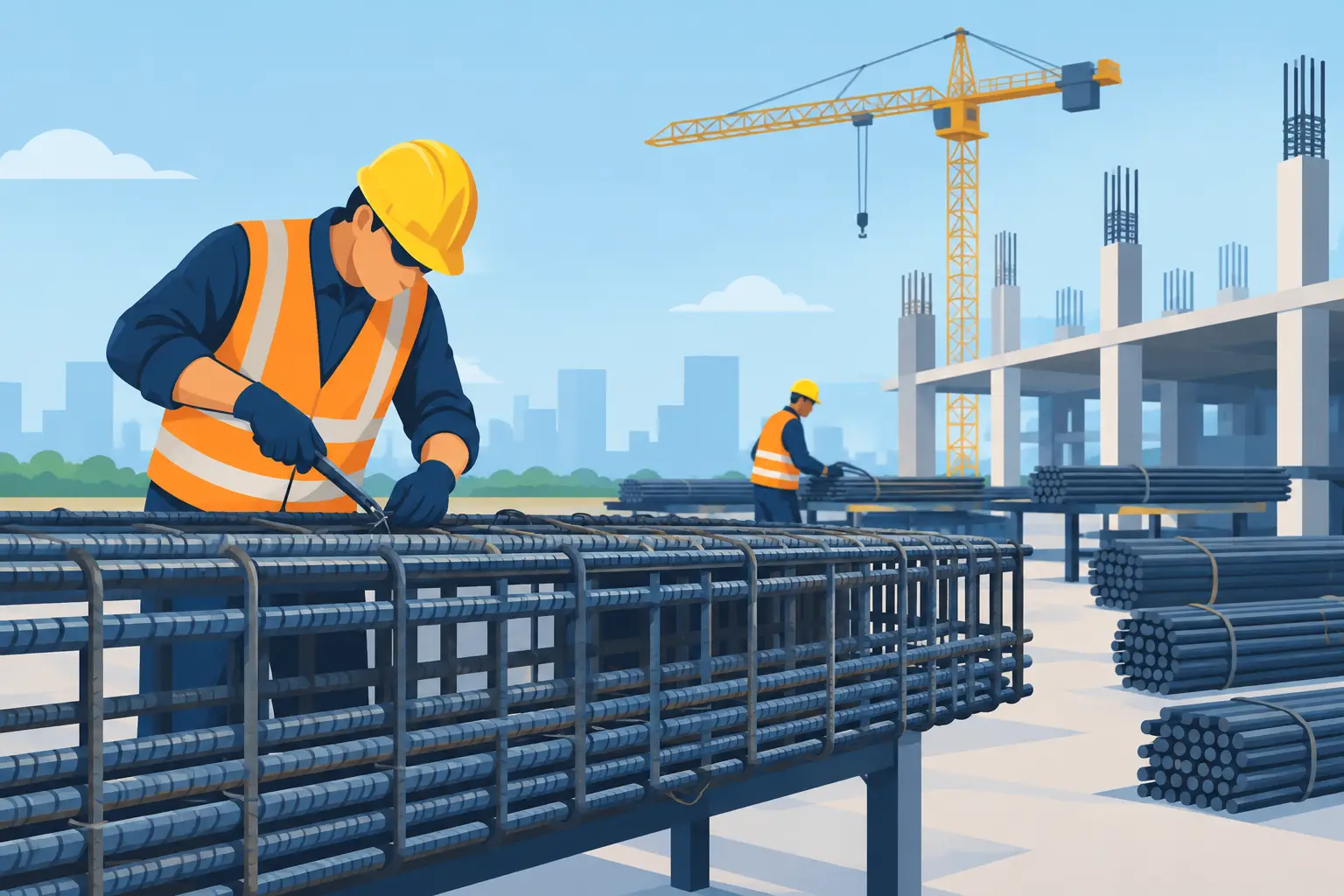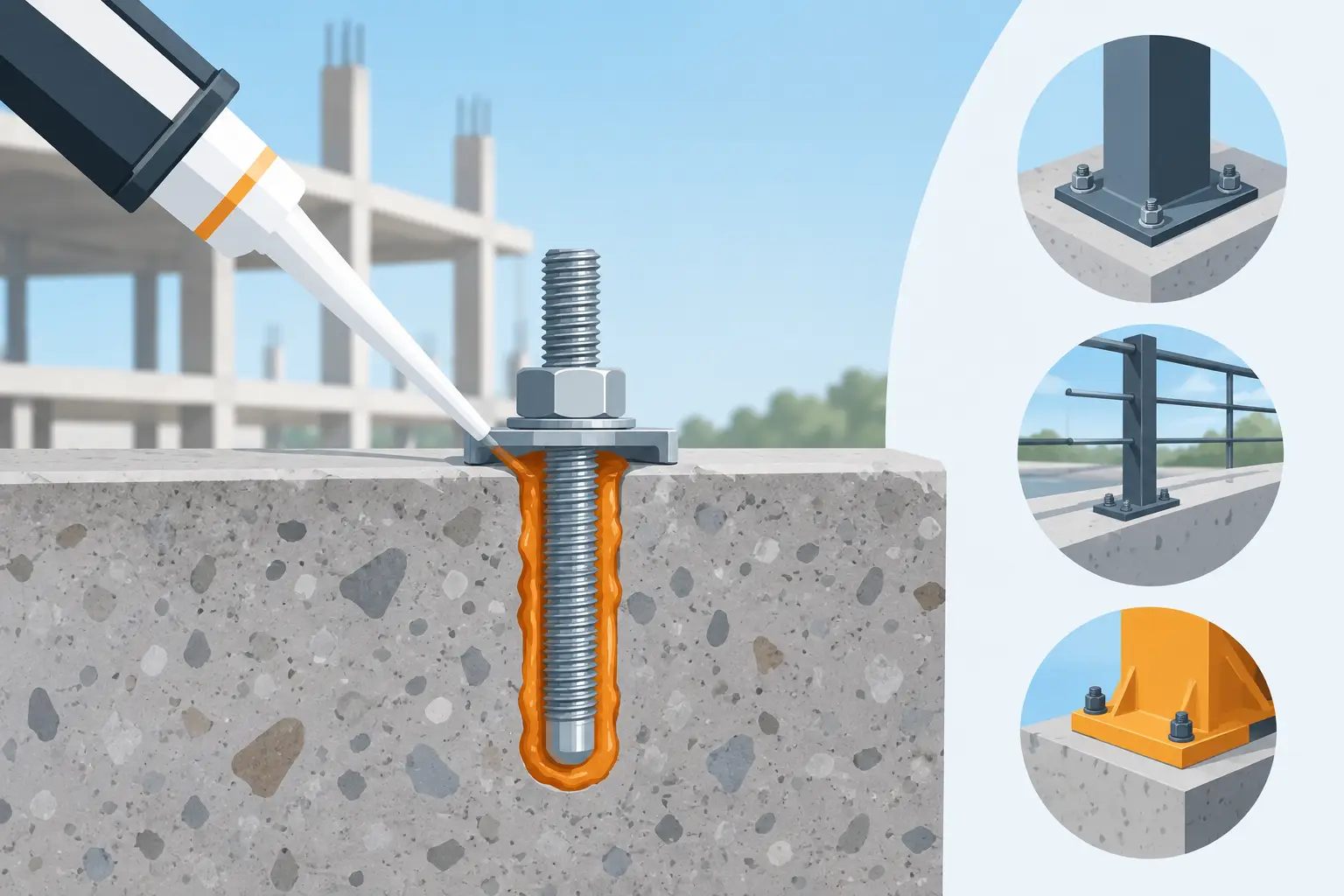
Rebar fabrication services reduce field cutting, support accurate placement, and help concrete crews keep schedules, inspections, and deliveries on track.
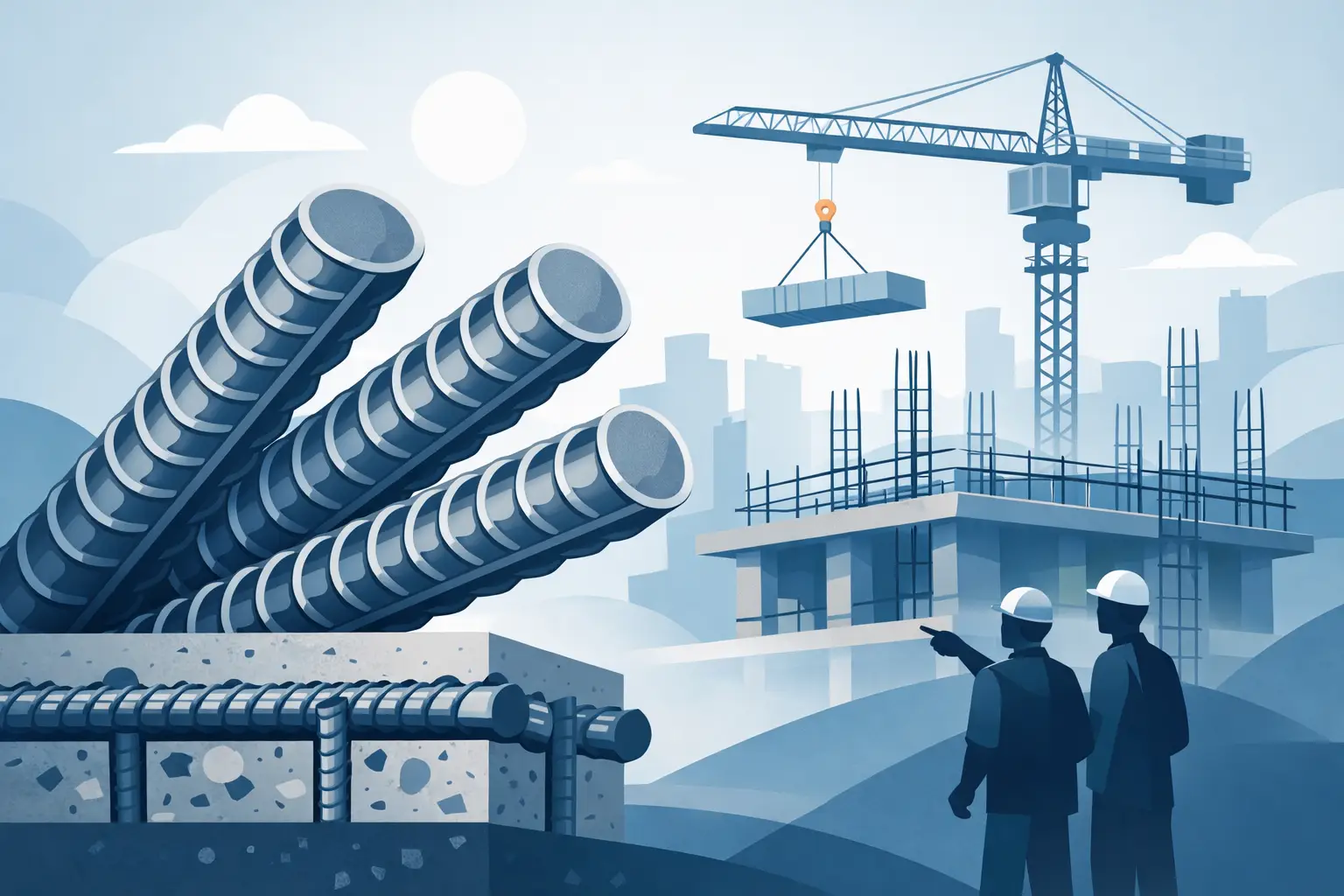
Why Use Deformed Reinforcing Bars?
If you have ever seen smooth bar slip during placement or watched a slab develop cracking sooner than expected, you already know why use deformed reinforcing bars is not just a design question. It is a job performance question. On real sites, concrete and steel need to act as one system, and deformed bar is what helps make that happen under load, movement, and daily construction pressure.
Why use deformed reinforcing bars in concrete work
Concrete handles compression well. What it does not handle well is tension, bending stress, shrinkage movement, and the small shifts that happen over a structure’s life. Reinforcing steel is there to take those forces, but plain smooth bar does not grip concrete the same way deformed bar does.
Deformed reinforcing bars have raised ribs or lugs along the surface. Those deformations improve mechanical bond with the surrounding concrete. That bond matters because it reduces slippage, improves load transfer, and helps the reinforced section behave more predictably. When engineers specify rebar for slabs, footings, walls, beams, columns, and retaining structures, that bond is one of the main reasons deformed bar is the standard choice.
For contractors, the practical benefit is simple. Better bond means the reinforcement is more effective at doing the job it was placed there to do. It supports structural performance without needing workarounds on site.
The bond between steel and concrete is the main reason
The biggest answer to why use deformed reinforcing bars comes down to adhesion and interlock. Smooth bar relies more heavily on basic surface adhesion and end anchorage. Deformed bar adds mechanical interlock, which gives the concrete something to grip.
That improves force transfer between concrete and steel. When a slab bends or a beam takes load, the stress needs to move efficiently into the reinforcement. With deformed bar, that transfer is stronger and more reliable. The bar is less likely to pull through the concrete when the structure is under tension or repetitive load.
This matters even more in structures exposed to traffic, vibration, ground movement, or temperature cycling. A driveway slab, suspended slab, retaining wall, or commercial foundation all benefit from reinforcement that stays engaged with the concrete instead of relying on a weaker bond.
Better anchorage in shorter lengths
Because deformed bars develop stronger bond, they generally achieve anchorage more effectively than plain bars. In practical terms, that supports lap splices, hooks, bends, and development lengths designed to hold under load.
That does not mean bar length can be guessed on site. Engineering and code requirements still apply. But from a performance standpoint, deformed bar gives the design a more dependable starting point.
More reliable crack control
Concrete cracks. The real issue is not whether cracking happens, but how well it is controlled. Reinforcement helps distribute tensile stress and limits crack width. Since deformed bars bond better with the concrete matrix, they are more effective at holding cracked sections together and keeping movement tighter.
That can help with durability, appearance, and long-term serviceability. On slabs and walls especially, tighter crack control can reduce water ingress and protect the reinforcement system over time.
Where deformed rebar makes the biggest difference
In most structural concrete, deformed reinforcing bar is the default because the loads and stresses are not minor. Footings need to handle settlement and bearing pressure. Slabs need to manage shrinkage, point loads, and traffic. Beams and lintels take bending. Retaining walls see lateral pressure. Columns need confinement and strength continuity.
In all of those cases, the ribbed profile helps the bar work with the concrete rather than simply sit inside it.
Residential work is a good example. A house slab might look straightforward on paper, but it still deals with shrinkage, subgrade variation, and day-to-day loading. The same goes for driveway pours, masonry foundations, and pool surrounds. Deformed bar provides the hold needed to improve structural behavior without adding complexity to the installation process.
On commercial and civil jobs, the stakes are higher because the loading, inspection standards, and durability requirements are higher. There is less room for a weak bond, poor crack distribution, or reinforcement movement during placement.
Plain bars still exist, but they serve narrower purposes
There are cases where smooth bars are used, but they are more limited and usually tied to specific applications. Plain round bars can be suitable where bond is not the primary requirement, or where movement is intentionally allowed, such as dowels in certain joint systems when sleeving or debonding is part of the design.
That is the key trade-off. If you want the bar to transfer tension and stay locked into the concrete, deformed bar is usually the better choice. If the application calls for controlled slip or a specialized connection detail, a smooth bar may be specified instead.
So the answer is not that deformed bars are automatically right for every single steel-in-concrete scenario. It is that they are the right answer for the vast majority of structural reinforcement applications because bond strength is usually essential, not optional.
Deformed bars help during the life of the structure, not just at pour day
A lot of reinforcement decisions get judged by installation speed and purchase price. That is fair up to a point. Site teams need material on time, and procurement needs cost certainty. But reinforcement should also be judged by what happens after the concrete cures.
That is where deformed rebar earns its place. It supports load sharing over time, helps hold cracked sections together, and contributes to the long-term integrity of the element. In other words, it does not just help the pour pass inspection. It helps the structure keep performing.
For builders and project buyers, that matters because remedial work is expensive. So are delays caused by failed inspections, wrong product selection, or material that does not match the structural requirement. Using the correct deformed bar grade and size from the start is usually the cheaper path.
Compliance matters as much as shape
Not all reinforcing steel on the market is equal. The fact that a bar is deformed does not by itself make it suitable for structural use. Grade, ductility, dimensions, and compliance all matter.
That is especially important for anyone buying reinforcement under time pressure. If the product does not meet the required standard, the ribbed profile alone will not save the job. Engineers, inspectors, and contractors need confidence that the bar supplied matches the specified application.
This is why experienced buyers focus on both product type and source. A dependable supplier should make it easy to get the right size, grade, and quantity without guesswork. For trade customers, speed is important, but not at the expense of compliance.
Installation still needs to be right
Deformed reinforcing bars improve bond, but they do not fix poor placement. If cover is wrong, spacing is off, laps are short, or the cage moves during the pour, the reinforcement system will not perform as intended.
Bar chairs, tie wire, stirrups, and proper fixing methods still matter. So does making sure the reinforcement stays in position while concrete is placed and vibrated. Good material and good installation have to work together.
That is another reason deformed rebar is favored on active jobsites. It gives strong structural performance while fitting into standard fixing practices crews already know. There is no special handling in most cases, just the usual requirement to place and secure it properly.
Cost versus value on real jobs
If someone asks why use deformed reinforcing bars, part of the answer is cost efficiency over the life of the work. Not because deformed bar is always the cheapest line item, but because it is usually the most effective structural choice for reinforced concrete.
A lower-cost material does not help much if it creates engineering issues, performance risks, or inspection problems. Most contractors would rather buy the right bar once than argue over substitutions or deal with defects later.
That is where a practical supply model matters. When reinforcement is available in the required sizes and quantities, with clear pricing and fast delivery, buyers can keep the job moving without compromising on structural basics. Quality Steel Supplies works in that lane – compliant reinforcing products, straightforward ordering, and quick turnaround for site-driven demand.
When concrete needs steel to actually hold, not just occupy space, deformed reinforcing bar is the reason the structure behaves the way it should. Get the specification right, get the installation right, and the rest of the job has a much better chance of staying on track.
Related Posts