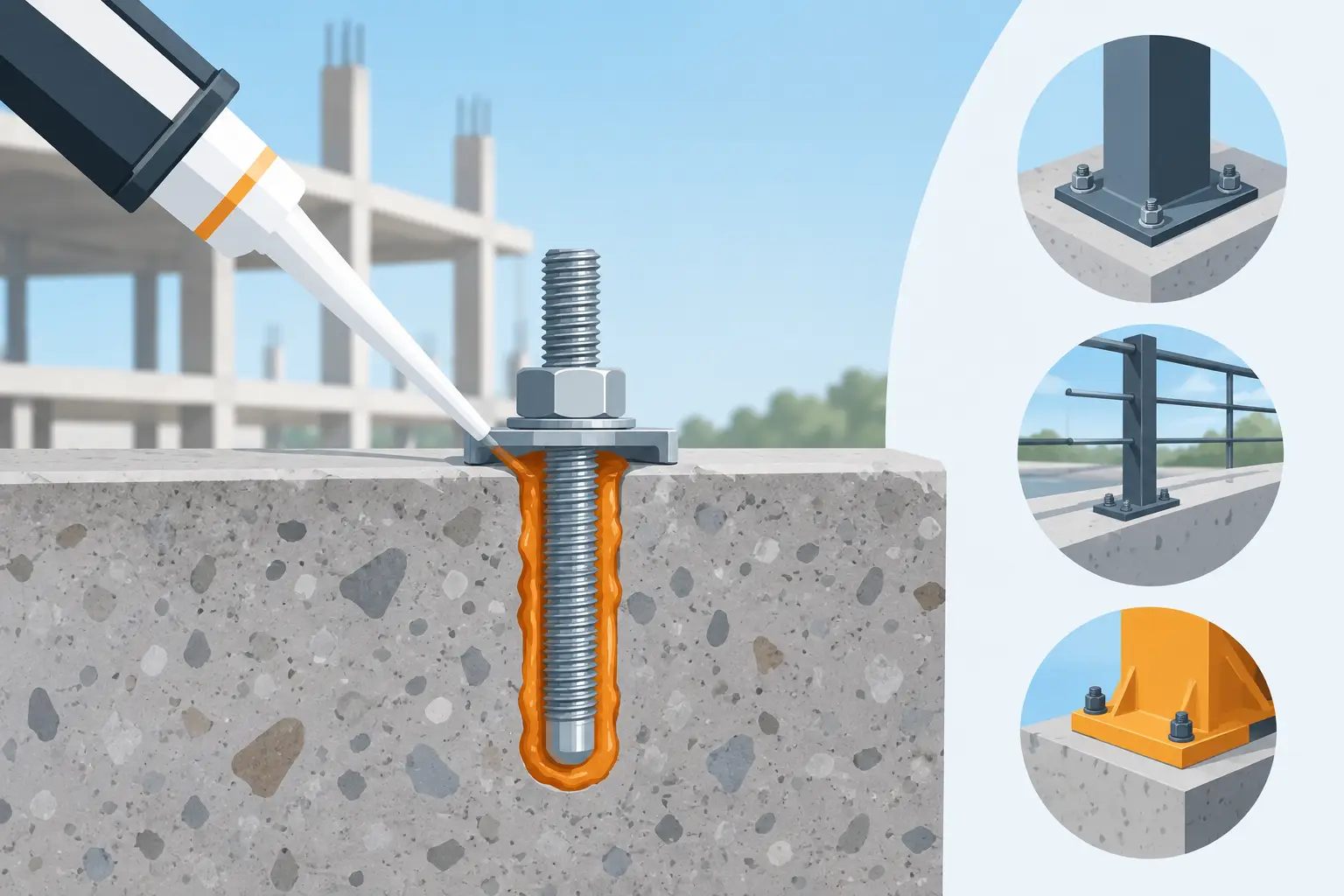
Rebar fabrication services reduce field cutting, support accurate placement, and help concrete crews keep schedules, inspections, and deliveries on track.
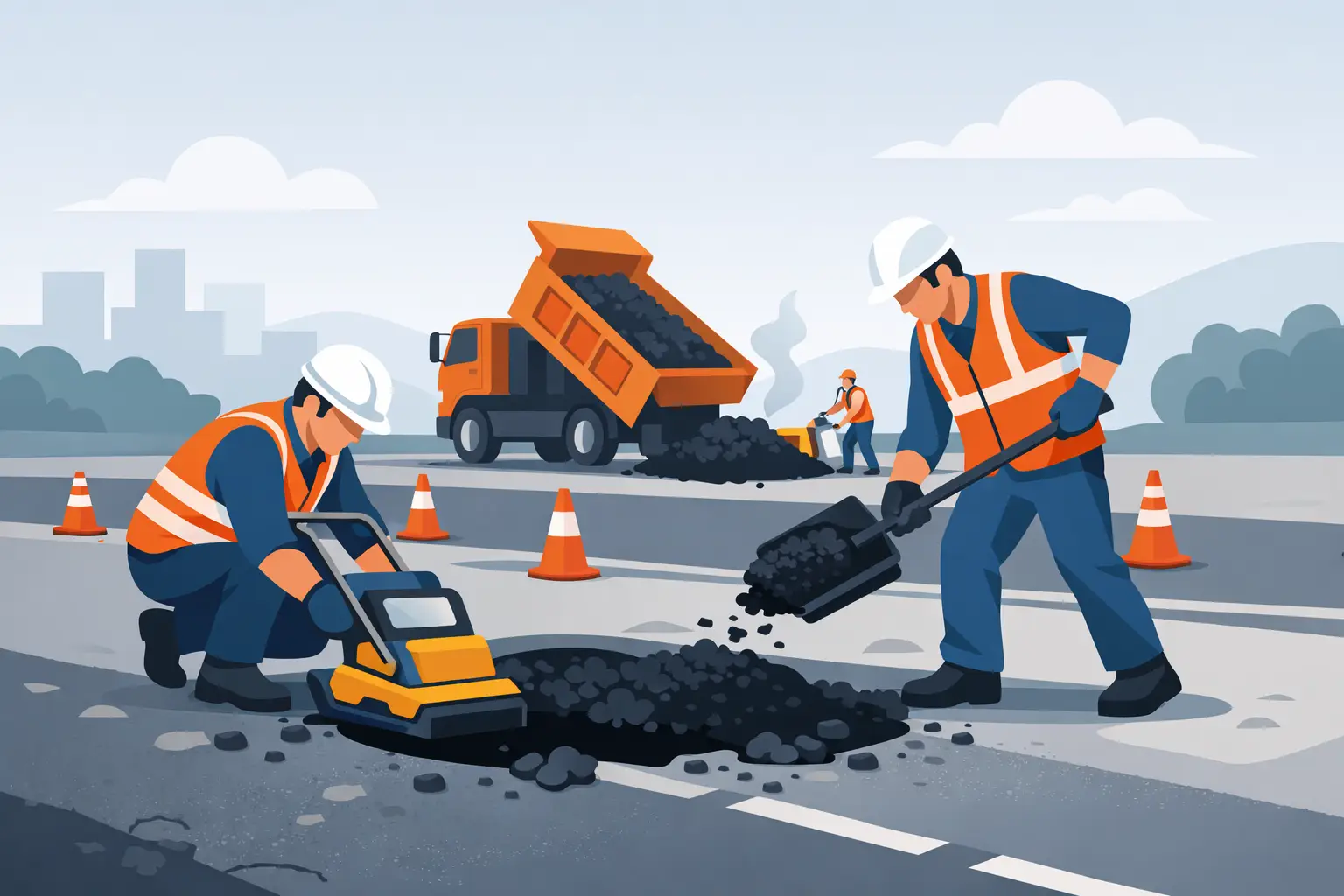
How to Repair Asphalt Potholes Properly
A pothole never shows up at a convenient time. It turns into a trip hazard, collects water, damages tires, and gives clients or site managers one more reason to ask why the surface was left that way. If you need to know how to repair asphalt potholes without wasting material or creating a patch that fails after the first rain, the process starts with proper preparation, not just filling the hole and moving on.
For trade crews, facility teams, and owner-builders, pothole repair is usually about speed and serviceability. But speed only helps if the patch holds. A fast fix that ravels out in a week costs more in labor, call-backs, and traffic disruption than doing the repair correctly the first time.
How to repair asphalt potholes so the patch lasts
Most potholes form because water gets into cracks, weakens the base, and traffic finishes the job. That matters because the visible hole is often only part of the problem. If the surrounding asphalt is loose or the base underneath is saturated and unstable, a patch placed over the top will not last long.
The basic repair sequence is straightforward. Remove failed material, square the edges if needed, clean the hole, restore the base where required, place the repair mix in layers, and compact it properly. The details change depending on whether you are using cold patch or hot mix, how deep the pothole is, and whether the area carries light vehicles or constant heavy traffic.
Cold patch works well for quick repairs, emergency response, and smaller maintenance jobs. Hot mix usually gives a stronger, longer-term result, but it is less flexible from a handling and scheduling point of view. For many crews, the right answer depends on access, weather, equipment on hand, and how quickly the surface needs to be reopened.
Start with the condition of the hole
Before placing any material, check the size, depth, and edge condition. A shallow depression is not repaired the same way as a deep pothole with broken shoulders and pumping water. If the asphalt around the pothole breaks away under a shovel or hammer, extend the repair area until you reach sound pavement.
This is where many failed repairs start. Crews sometimes fill only the visible center of the pothole and leave cracked or delaminated asphalt around the perimeter. Traffic loads the weak edge, the patch shifts, and the repair opens back up. Clean edges and sound boundaries matter more than making the hole look small.
If water is present, remove it before patching. Standing water trapped under repair material is a problem from the start. Some cold patch products tolerate damp conditions better than others, but none benefit from being laid over a soft, wet base.
Cut back to solid asphalt when needed
Not every pothole needs saw-cut edges, but many repairs benefit from trimming the hole into a cleaner shape. For a durable patch, vertical faces help the repair bond and resist edge breakdown. On higher-value surfaces or heavily trafficked areas, taking extra time here usually pays off.
If the base is visibly loose, muddy, or missing, refill it with suitable compactable aggregate before patching. Asphalt is not a substitute for base rebuild. If the hole is deep and you fill the entire depth with patching material alone, you increase material cost and reduce the chance of long-term performance.
Surface preparation is where repairs are won or lost
Once the damaged material is removed, clean the repair area thoroughly. Loose asphalt, dust, dirt, and organic debris reduce bond and compaction. A broom, shovel, blower, or compressed air can all help, depending on the site and scale of the repair.
For deeper or cleaner-cut repairs, a tack coat on the vertical faces can improve adhesion between the old pavement and the new material. It is not always used on quick maintenance work, especially with some cold patch products, but for a longer-lasting repair it is worth considering. If you are using hot mix, surface prep becomes even more critical because poor bond and contamination show up quickly under traffic.
Do not skip compaction planning. Before the mix goes in, know how you are going to compact it. A hand tamper may be enough for very small patches. Larger or more heavily loaded areas usually need a plate compactor or roller to get the density required.
Choosing the right patch material
If the job needs a practical, ready-to-use solution, cold asphalt patch is often the most efficient choice. It stores well, can be applied without specialized paving equipment, and suits reactive repairs where a crew needs to fix defects across multiple locations in a day. That makes it a solid fit for property maintenance, access roads, yards, and general site upkeep.
The trade-off is performance. Cold patch is convenient, but it is not always the best long-term option for every high-traffic pavement. On roads, loading bays, and trafficked industrial surfaces, hot mix or a more substantial pavement repair may be the better choice if access and budget allow.
The best material is the one that matches the repair objective. If you need a safe, immediate, weather-tolerant repair, cold patch is often the right call. If you are restoring a heavily used surface and want maximum service life, a hot-applied repair with proper edge prep and compaction is usually stronger.
Layering matters on deeper potholes
For deeper repairs, place the patching material in lifts rather than dumping it all in at once. Thin layers compact more effectively and reduce the risk of soft spots in the middle of the patch. As a rule, compact each layer before placing the next.
Slight overfilling is normal because the material will settle under compaction. The finished patch should sit flush with the surrounding pavement or just proud enough to compact down level. Leaving it too high creates a bump and edge impact. Leaving it too low creates a bowl that holds water, which is how the cycle starts again.
How to repair asphalt potholes with proper compaction
Compaction is what turns loose repair material into a usable surface. Without enough compaction, the patch remains weak, shifts under tires, and sheds material from the top. This is the step crews rush when they are under pressure, and it is the step that most often separates a temporary fill from a real repair.
For small potholes, hand tamping can work if the material and depth are manageable. For anything larger than a minor spot repair, mechanical compaction is the safer option. A plate compactor gives better density and a more uniform surface. If you are dealing with multiple patches or larger failed areas, a roller improves consistency and output.
Pay attention to the edges while compacting. The perimeter should be tight and well-seated against the existing asphalt. A patch can look acceptable in the middle and still fail early if the edge bond is poor.
Weather, traffic, and timing all affect the result
Pothole repairs are often done in less-than-ideal conditions because the defect cannot wait. Still, weather affects performance. Very wet, freezing, or unstable conditions reduce the chance of a durable repair, especially if the base cannot be dried or stabilized.
Traffic loading also changes what counts as an acceptable repair. A small patch in a private lot sees a different level of stress than a repair at a loading dock entrance or truck route. If heavy vehicles are braking, turning, or accelerating over the patch, use the strongest method practical for the job.
Timing matters too. Emergency patching is sometimes necessary just to make an area safe. That is fine, but treat it as an operational repair, not a permanent pavement solution, unless the substrate and material choice support that outcome.
Common mistakes that shorten patch life
Most pothole failures come back to a short list of issues: patching over loose material, ignoring a failed base, underfilling or overfilling the hole, poor edge preparation, and weak compaction. Using the wrong material for the traffic level is another common problem.
There is also the temptation to repair only what is visible. If a pothole sits inside a broader area of crocodile cracking or alligator cracking, the pavement is already telling you the failure is structural, not isolated. A localized patch may buy time, but it will not solve widespread pavement fatigue.
That does not mean every pothole needs a full reconstruction. It means the repair method should match the pavement condition. A simple patch is efficient when the surrounding asphalt is sound. It is a stopgap when the surrounding area is breaking down as well.
When a pothole patch is not enough
If potholes keep returning in the same zone, look below the surface. Drainage issues, base failure, edge breakup, or repeated heavy loads may be driving the damage. At that point, a more extensive cut-out and reinstatement is often more cost-effective than repeating small repairs.
For contractors and maintenance buyers, this is usually where material planning matters. Having patching materials on hand is useful for immediate response, but repeated failures point to a broader pavement maintenance issue that needs a different scope of work. A dependable supplier helps here by making the right repair products easy to source without slowing the job down.
Quality Steel Supplies supports trade customers who need practical site materials fast, including asphalt repair products that help crews deal with defects before they become bigger problems.
A pothole repair does not need to be complicated, but it does need to be honest. Clean out the failure, rebuild what is weak, compact the patch properly, and match the material to the traffic. That approach saves more time than any shortcut ever will.
Related Posts