Rebar fabrication services reduce field cutting, support accurate placement, and help concrete crews keep schedules, inspections, and deliveries on track.

Slab Reinforcement Materials Checklist
A slab pour rarely gets delayed because of one big issue. More often, it is the small misses – the extra sheet of mesh, the right chair height, enough tie wire, the starter bars that were assumed to be on site. A solid slab reinforcement materials checklist helps prevent that. It keeps the crew moving, reduces last-minute supply runs, and makes sure the reinforcement package matches the slab design before concrete shows up.
For builders, concrete crews, and procurement teams, the goal is simple: order the right reinforcing materials in the right quantities, with enough allowance for cuts, laps, penetrations, and site handling. That sounds straightforward, but slab setups vary. A residential house slab on grade is not the same as a thickened-edge driveway, a warehouse floor, or a suspended slab with congested steel. The checklist needs to be practical enough for ordering, but detailed enough to catch what gets missed under time pressure.
What a slab reinforcement materials checklist should cover
At minimum, your slab reinforcement materials checklist should account for the main steel, the supports that hold it at the correct height, the tying and fixing items that keep it in place, and any void-forming or edge-related products that are part of the slab system. It should also reflect the drawings, engineering notes, and site conditions rather than relying on a previous job that looked similar.
The first check is always the slab type. If it is a standard slab on ground, your material package may center on reinforcing mesh, trench mesh, loose bars, chairs, and tie wire. If the slab includes pods, thickened ribs, step-downs, internal beams, or formed rebates, the material list expands quickly. Suspended work adds another layer again because cover, bar placement, and fixing detail are less forgiving.
Core reinforcement materials for slab work
Reinforcing mesh
For many slab jobs, mesh is the backbone of the reinforcement package. The grade, sheet size, wire diameter, and spacing must match the engineer’s schedule. This is where errors happen if someone orders by memory instead of by drawing. Similar-looking mesh products are not interchangeable just because they fit the same area.
When checking mesh, confirm the specified grade, the number of sheets required, and the lap direction. Also allow for waste around penetrations, slab set-outs, and trimmed edges. If the slab geometry is simple, estimating is easier. If there are multiple recesses, columns, or service openings, the cut loss can be more than expected.
Reinforcing bar
Loose bar is often needed even where mesh does most of the work. Thickened slab edges, internal beams, top steel over supports, starter bars, dowels, and localized strengthening usually require deformed bar in specified diameters and lengths.
The main point here is not just bar size. It is bar count, cut length, bend detail, and whether the steel is being supplied straight, cut, or fabricated. Ordering full stock lengths may look cheaper on paper, but it can increase labor, waste, and site delays if the crew has to process everything on arrival. On tighter schedules, job-ready steel usually saves time where it matters.
Trench mesh and beam steel
If the slab includes thickened ribs, footing beams, or edge beams, trench mesh or assembled beam cages may be required. This is common in residential slab systems and some commercial foundations. Check the beam width and depth against the specified reinforcement. A mismatch here can create placement issues fast, especially where there is limited cover or congested intersections.
Support items that are easy to underestimate
Bar chairs
Chairs are not an add-on. They are what keep the reinforcement at the correct height so the slab gets the required cover. If the steel is sitting too low, too high, or drops during the pour, compliance and performance are both affected.
The right chair depends on slab thickness, cover requirements, sub-base condition, and whether the reinforcement is mesh, bar, or both. Plastic chairs are common for many slab applications, but the load condition matters. On softer subgrades or areas with heavier foot traffic before the pour, chair selection needs more care. Too few chairs is also a problem. Even if the steel is technically on site, poor support can turn into rework when inspectors or supervisors pick up sagging mesh.
Tie wire
Tie wire is one of the most common shortfalls on slab jobs because it feels minor until it runs out. Your checklist should include enough wire for mesh laps, intersections, beam bars, starter bars, and any areas with denser tying requirements. The bigger and more detailed the slab, the less safe it is to guess.
If the crew is using tie wire reels, pre-cut ties, or tying tools, order to suit the installation method. Small mismatches here are not critical structurally, but they slow productivity on site.
Slab reinforcement materials checklist for pod slabs
Pod slabs need a more specific check because the reinforcement package works together with the void former layout. If polystyrene pods are part of the system, quantities need to align with the slab plan, beam spacing, edge treatment, and any areas where pods are omitted.
Beyond the pods themselves, check the pod accessories, chairs suited to the system, and any bars or trench mesh required in the ribs and perimeter beams. Pod slabs can look repetitive, which makes them easy to underestimate. But service penetrations, load-bearing points, and step-downs usually break the pattern. That is where shortages and wrong counts show up.
It is also worth checking handling and storage conditions before delivery. Pods are lightweight and efficient, but they still need clean site planning so they do not get damaged or scattered before installation.
Other items often needed with slab steel
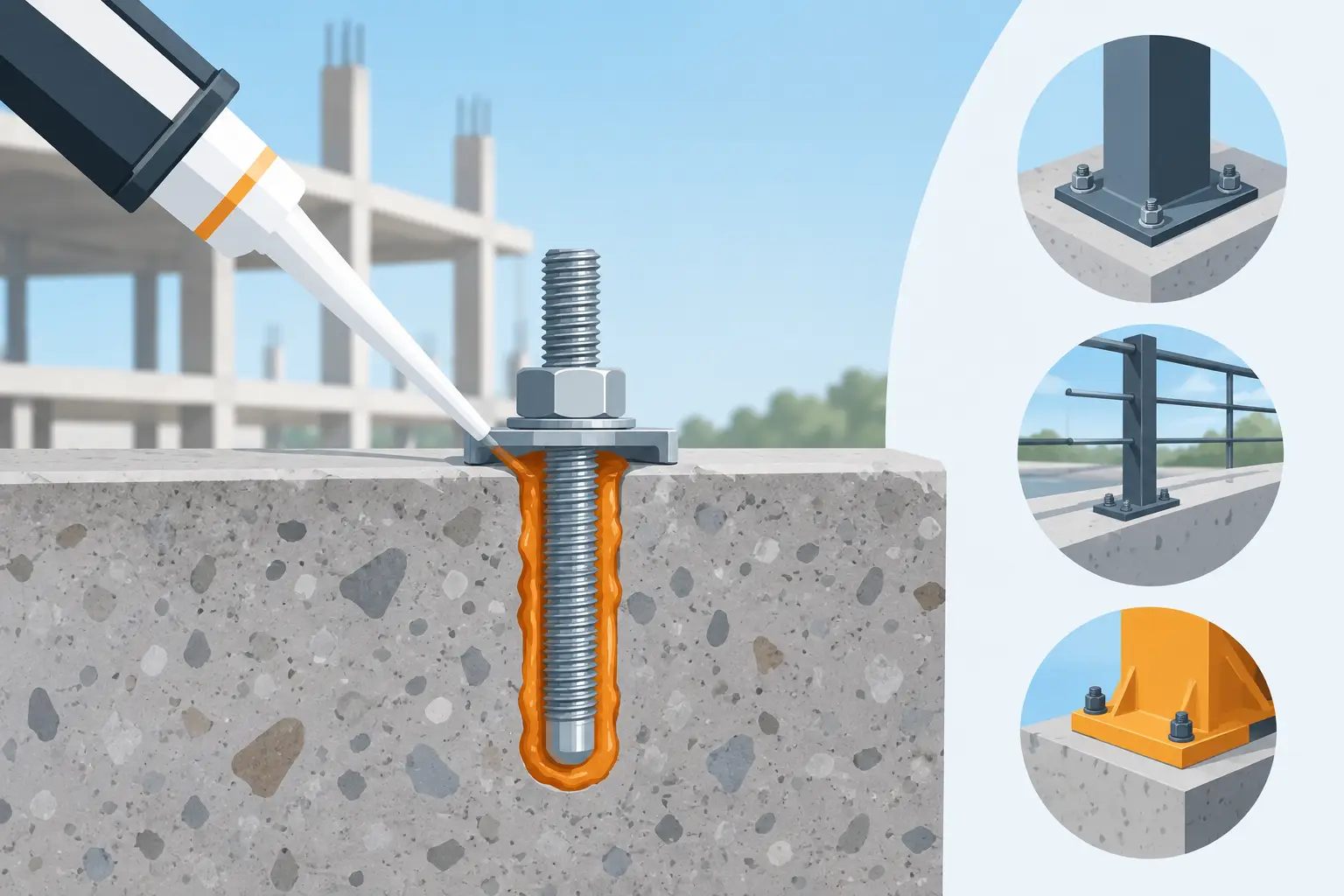
Concrete fixings may be needed where slab reinforcement ties into existing work, starter bars are epoxied into adjoining elements, or formwork and accessories need to be secured. These products are not always listed under the reinforcement package, but they can still affect whether the slab prep finishes on schedule.
Stirrups may also be required where the slab design includes beams, edge strengthening, or integrated structural elements. On simpler slab-on-grade work, they may not feature at all. On engineered beam sections, they are essential. This is one of those areas where it depends entirely on the drawings.
If the slab interfaces with asphalt or external paved areas, repair or reinstatement materials may be part of the wider site package even though they are not part of the reinforcement itself. For procurement teams trying to reduce split deliveries, grouping those related materials can save time.
Quantity checks before you place the order
The fastest way to lose time is to order only the headline materials and ignore the details. Before sending through a purchase order, check the slab area against the mesh count, confirm lap allowances, review all edge and beam bars, and verify support item quantities.
It also helps to check whether deliveries are being staged. On large jobs, full-site delivery may not suit the sequence. Steel left exposed or stacked in the wrong area creates double handling and site congestion. Smaller staged drops can be the better option, even if the material total stays the same.
Another practical check is breakage, damage, and waste allowance. You do not need to overbuy heavily, but ordering with no margin at all is risky. The right allowance depends on the slab complexity and how controlled the site is.
Common mistakes this checklist helps avoid
One of the biggest mistakes is assuming mesh alone covers the slab package. In reality, many slabs need bars at penetrations, rebates, corners, thickened edges, and construction joints. Another common issue is ordering chairs without checking the required cover height. A chair that is close is not always acceptable.
There is also the habit of treating tie wire and fixings as site consumables that can be picked up later. That approach works until the crew is ready to place steel and the small items are missing. The delay is usually short, but on pour day even short delays matter.
Then there is compliance. Reinforcement materials should be suitable for the specified structural use, not just available quickly. Competitive pricing matters, but not if it leads to substitutions that do not match the drawings or project requirements.
A practical ordering approach
The cleanest way to build a slab reinforcement materials checklist is to start from the structural drawings and break the order into groups: mesh, loose bar, beam or trench reinforcement, chairs, tie wire, pods if required, and fixings or accessories. From there, check dimensions, quantities, fabrication needs, and delivery timing.
For trade buyers, this is where a supplier with reinforcement experience makes a difference. It is not about making the order more complicated. It is about catching the obvious gaps before they hit site. Quality Steel Supplies works with the kinds of crews who need that direct, practical support – compliant product, clear pricing, and delivery that matches the program.
A good checklist does more than help you buy steel. It gives the slab crew a better start, reduces avoidable delays, and keeps the pour focused on placement instead of problem-solving at the last minute. If the order is right before the truck leaves the yard, the rest of the job usually runs a lot smoother.
Related Posts