Rebar fabrication services reduce field cutting, support accurate placement, and help concrete crews keep schedules, inspections, and deliveries on track.

Commercial Concrete Pour Checklist
A commercial slab pour can go sideways long before the first truck shows up. Missed rebar cover, poor pump access, unfinished penetrations, or a late inspection can turn a planned pour into an expensive delay. That is why a solid commercial concrete pour checklist matters – not as paperwork for its own sake, but as protection for schedule, quality, and compliance.
On commercial work, the margin for error is tighter than most crews want to admit. Larger placements mean more coordination, more embedded items, more inspection points, and less room to fix mistakes once concrete starts moving. A good checklist keeps the site team aligned before the pour window opens.
Why a commercial concrete pour checklist saves real money
Most pour-day problems are not concrete problems. They are planning problems. The mix can be right, the supplier can be on time, and the crew can still lose control of the pour because one trade has not finished its scope or the base is not ready.
A checklist forces the obvious questions early. Is the subgrade compacted and trimmed to grade? Are forms braced and true? Is reinforcement installed to spec with the right spacing, laps, supports, and cover? Have sleeves, cast-ins, and hold-downs been set and signed off? If even one of those items is unresolved, the job is already exposed.
There is also a cost issue that procurement teams know well. A delayed commercial pour does not just waste ready-mix. It can idle pump hire, finishing crews, testing technicians, traffic control, and follow-on trades. On busy programs, that delay can ripple through the entire week.
Start with the drawings, not the truck booking
The first check happens well before pour day. Review the latest issued-for-construction drawings, structural notes, and any engineer revisions. Commercial sites often carry late changes to footing depths, slab thickenings, dowel details, starter bars, or penetration locations. If the crew is working off an outdated set, the pour is at risk before setup begins.
This is also the point to confirm specification requirements. That includes concrete strength, exposure classification, slump, aggregate size, finish type, curing method, joint layout, and testing frequency. The right checklist is not generic. It should reflect the job documents and the actual element being poured, whether that is a warehouse slab, suspended deck, foundation wall, or equipment pad.
Subgrade, base, and moisture conditions
Concrete performs best when the surface below it has been prepared properly. For slab-on-grade work, that means confirming the subgrade is compacted to the specified standard and the base course is at the right thickness, level, and moisture condition. Soft spots, pumping areas, and over-excavated sections should be fixed before the reinforcing crew finishes, not during final pre-pour panic.
Moisture matters more than some teams allow for. If the base is too dry, it can pull water from the fresh concrete and affect finishing. If it is wet or unstable, it can contribute to settlement and inconsistent support. The right condition depends on the slab design and site conditions, but it should never be left to guesswork.
Vapor barriers, insulation, or pod systems also need checking before steel is signed off. Tears, poor laps, and badly sealed penetrations are easy to miss once mesh and bars are in place.
Formwork and level control
Forms need to do two things at once: hold shape under pressure and give the finishers accurate lines to work from. Check dimensions, bracing, alignment, kickers, and form release. If there are blockouts, edge rebates, step-downs, ramps, or drainage falls, verify them against the drawings instead of relying on memory.
Level control should be locked in before the pour starts. Benchmark locations, screed rails, laser levels, and slab depth checks need to be agreed by the site team. Large commercial pours can drift quickly when everyone assumes someone else has grade covered.
Reinforcement, supports, and cover
This is where many commercial pours are won or lost. Reinforcement has to match the schedule, but it also has to stay in position during placement. That means checking bar size, spacing, lap lengths, tying, starter bars, trench mesh locations, and any added bars at penetrations, corners, or thickened sections.
Supports matter just as much as the steel itself. Mesh left on the ground is not doing its job. Bar chairs, spacers, and support systems need to suit the slab depth and loading so the steel stays at the required level during foot traffic and the pour sequence. Cover must be correct for the exposure and element type. Too little cover creates durability risk. Too much can reduce structural performance.
For contractors, this is where supply quality shows up on site. Straight, compliant reinforcing products and the right quantity of chairs, tie wire, mesh, and bars save time because the fixing crew is not trying to patch shortages on pour morning. That is one reason practical suppliers like Quality Steel Supplies focus on jobsite-ready reinforcement rather than just moving stock.
Embedded items and service coordination
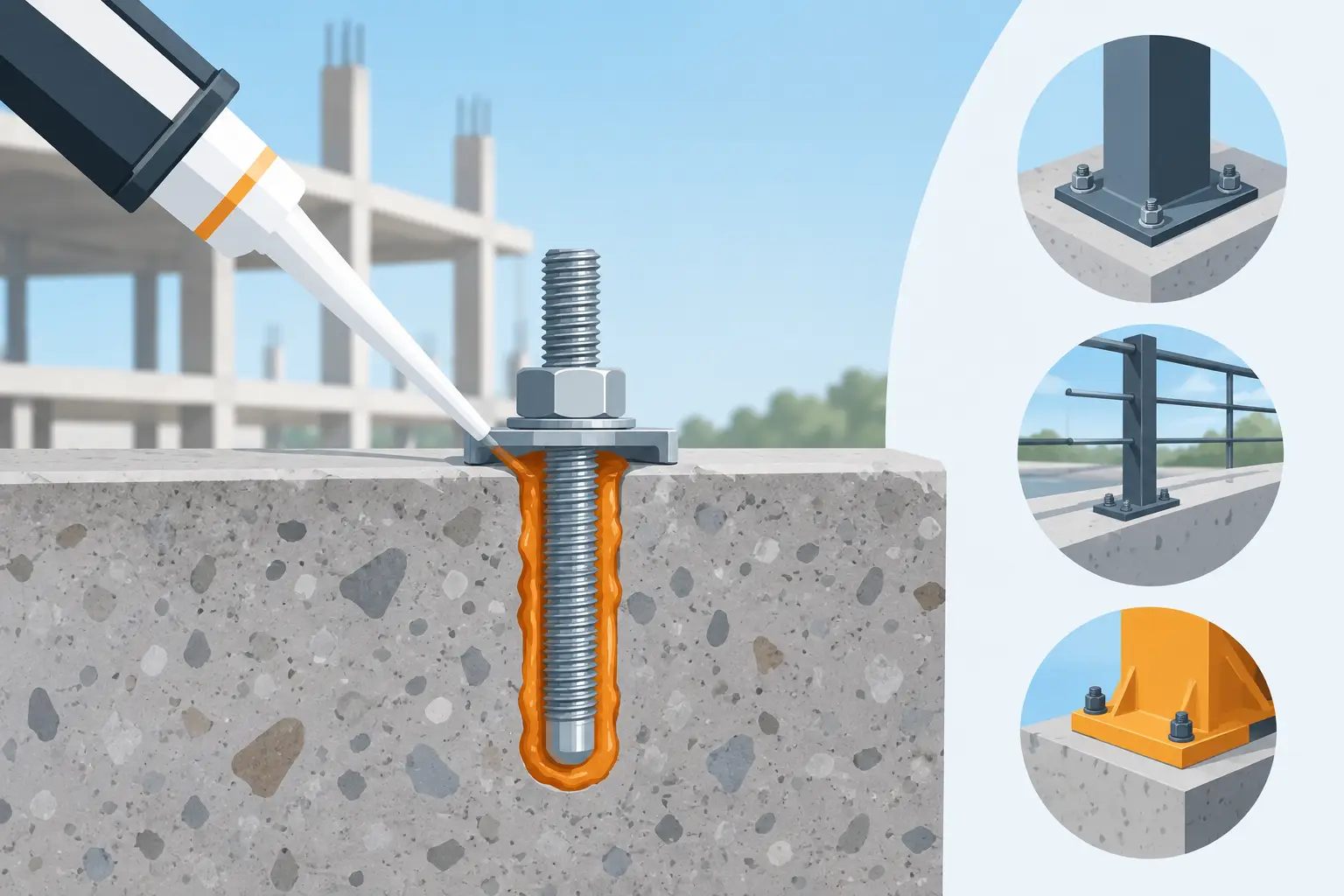
Commercial slabs and foundations rarely belong to one trade. Before the pour, confirm all sleeves, conduits, anchors, cast-in plates, hold-down bolts, pits, drainage items, and service penetrations are installed and secured. If any item can float, shift, or fill with slurry, it probably will.
This is an area where trade coordination is often weaker than the program suggests. Electrical may say they are done. Mechanical may still be waiting on one penetration. The steel may be fixed, but the survey setout may not be signed off. A checklist gives the superintendent or foreman a clean point to stop and verify.
Access, sequencing, and crew readiness
A pour can be technically ready and still fail operationally. Truck access, pump setup, washout location, traffic management, and internal haul routes all need confirming. If trucks are queuing on a tight commercial site or the pump has poor reach, placement speed drops and cold joints become more likely.
Sequencing should also be clear. Know where the pour starts, where it finishes, how it will be placed in sections, and who is calling the pace. Large areas may need multiple finishing teams, staged truck spacing, and backup equipment. Suspended pours may need tighter communication because vibration, hose handling, and edge safety are more critical.
Crew readiness sounds basic, but it is often where pressure shows. Confirm labor numbers, placing gear, vibrators, screeds, finishing tools, curing materials, lighting if needed, and backup power for essential equipment. If rain protection or hot-weather control is required, it needs to be on site before the first load leaves the plant.
Inspection, testing, and hold points
Commercial work usually carries formal hold points, and they need to be closed out before the concrete booking becomes a problem. Engineer inspections, municipal requirements, internal QA checks, and client signoff should all be confirmed in advance. Waiting on a last-minute inspector call is a poor strategy.
Testing should be organized just as clearly. If the specification calls for slump tests, air content, temperature checks, or strength cylinders, the testing technician needs the pour time, access details, and location of sampling. This is routine work, but missed testing can create unnecessary disputes later.
Weather and finishing risk
Weather changes the pour plan. Heat, wind, rain, and cold each affect placement, finishing, curing, and early-age performance. A checklist should ask what the forecast means for this specific pour, not just whether rain is possible.
Hot, dry conditions may require earlier starts, tighter truck spacing, evaporation control, and faster curing. Rain risk may mean extra covers and a decision threshold for postponement. Cold weather may affect set time and protection requirements. There is no one-rule answer. It depends on slab size, finish tolerance, concrete spec, and how exposed the site is.
The final pre-pour walk
Before the first truck is dispatched, do one deliberate walk of the work area with the foreman, site supervisor, and any inspection party that needs to sign off. This walk should not be rushed. Look at the steel, forms, penetrations, access, safety edges, and housekeeping. Check that debris, standing water, loose tie wire, and offcuts are cleared.
This last walk is also the right time to ask the uncomfortable question: if the truck arrived in ten minutes, what would still need fixing? If the answer is anything more than a minor adjustment, the pour is not ready.
A commercial concrete pour checklist works best when it is treated as a live site control, not a box-ticking exercise buried in the project folder. The jobs that stay on schedule are usually the ones where the basics were handled early, the steel was right, and the crew did not leave critical checks until the concrete was already on the road. Keep it practical, keep it honest, and the pour has a far better chance of going the way it should.
Related Posts