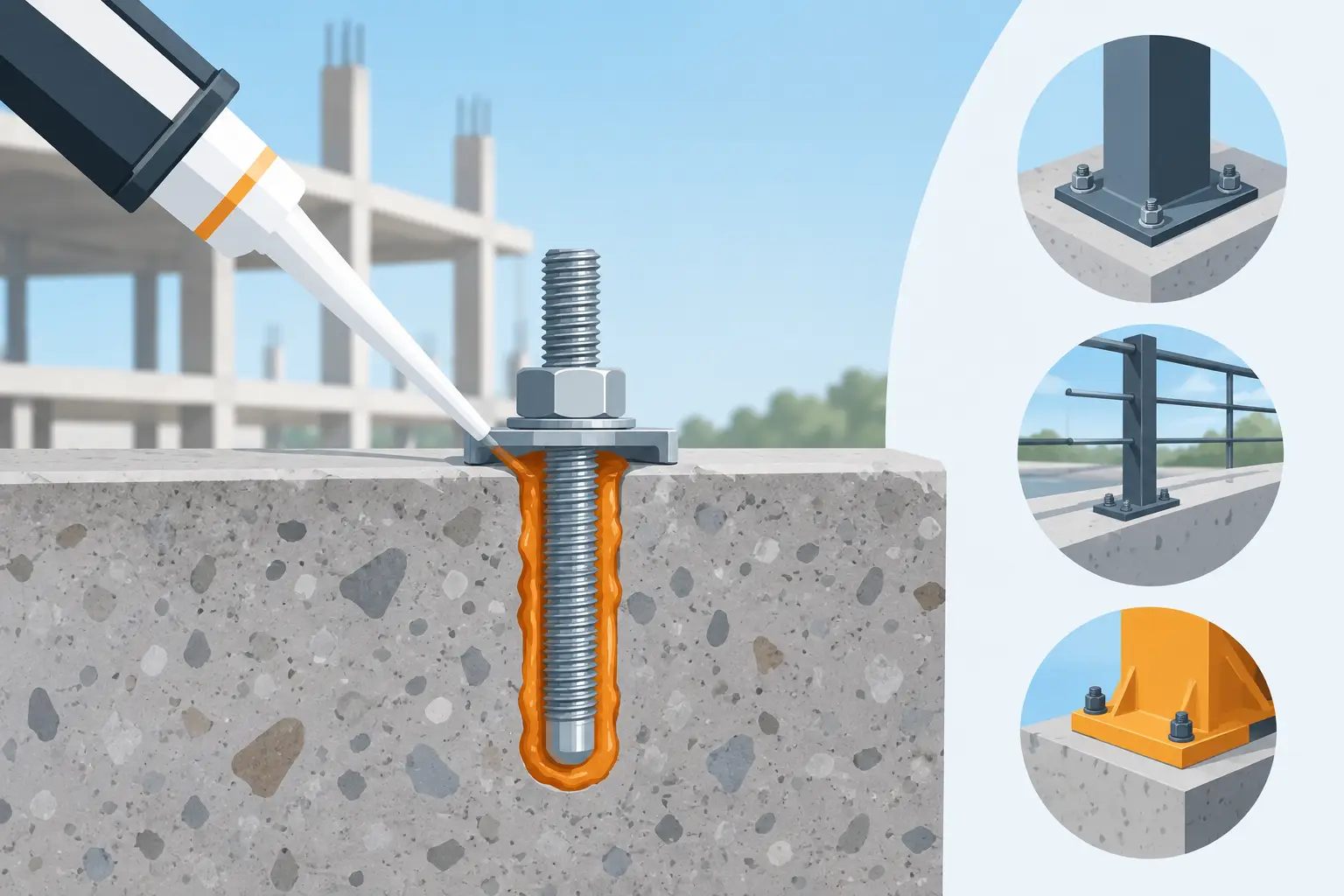
Rebar fabrication services reduce field cutting, support accurate placement, and help concrete crews keep schedules, inspections, and deliveries on track.
What Is Reinforcing Mesh?
A slab can look fine on pour day and still fail later if the reinforcement underneath is wrong. That is why the question what is reinforcing mesh matters on real jobs, not just on drawings. If you are pouring a driveway, house slab, patio, footing, or commercial floor, reinforcing mesh is one of the main materials that helps concrete handle load, control cracking, and hold together over time.
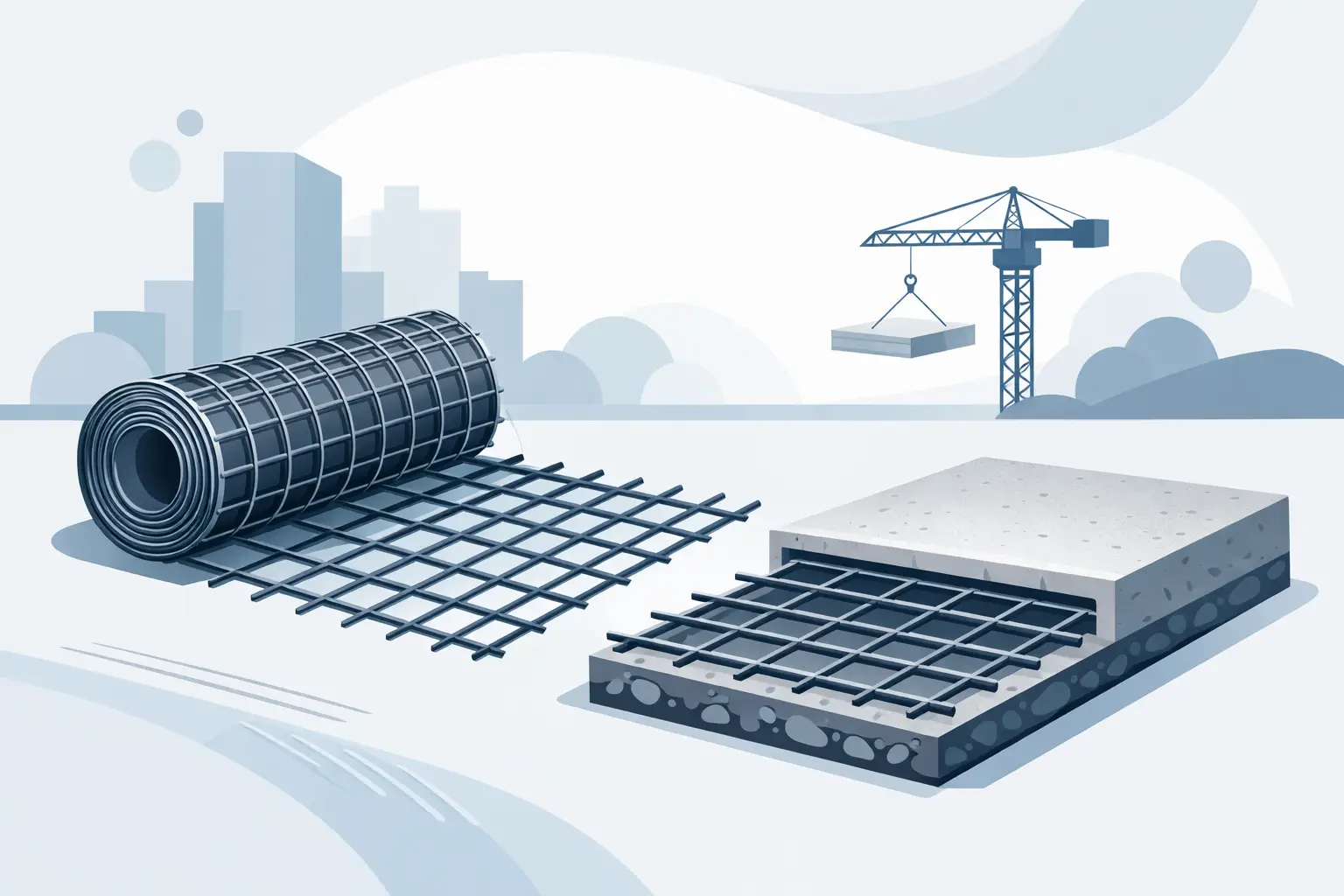
Reinforcing mesh is a grid of welded steel wires or bars set at regular spacing. It is made to sit inside concrete and improve tensile strength. Concrete is strong in compression but weak in tension. When ground movement, shrinkage, traffic, or point loads put stress on a slab, the mesh helps distribute that stress so the concrete is less likely to crack badly or break apart.
On site, people may call it rebar mesh, welded wire mesh, concrete mesh, or reinforcing fabric. The job is the same. It gives the concrete a steel skeleton so the slab works as a reinforced element instead of just a plain concrete pour.
What is reinforcing mesh used for?
Reinforcing mesh is used anywhere concrete needs extra strength and better crack control. In residential work, that usually means driveways, garage slabs, house floors, footpaths, patios, and small retaining elements. In commercial and civil work, it is common in warehouse floors, pavements, precast elements, and larger foundation systems.
The exact role depends on the structure. In a lightly loaded sidewalk, the mesh may be there mainly to limit shrinkage cracking and keep cracks tight. In a driveway or floor slab carrying vehicles or stored loads, it is doing more structural work by helping the slab resist bending and distribute wheel loads.
That difference matters because not every mesh suits every pour. A thin decorative slab and an industrial floor do not need the same steel content, spacing, or wire diameter. The right selection comes down to engineer requirements, slab thickness, expected loading, subgrade condition, and local code compliance.
How reinforcing mesh works inside concrete
Fresh concrete looks solid once it cures, but it still moves. It shrinks as moisture leaves, expands and contracts with temperature changes, and reacts to settlement below. Without reinforcement, those movements can create cracks that open quickly and weaken the slab.
Mesh works by taking tensile forces that concrete alone cannot handle well. Because the steel is embedded in the slab, the concrete and reinforcement act together. When stress develops, the bond between the concrete and steel allows the load to transfer into the mesh. That helps spread stress across a wider area rather than letting one crack become a failure point.
This does not mean mesh stops all cracking. It does not. Concrete cracks. The real purpose is to control where cracking happens, reduce how wide cracks become, and help the slab keep its structural integrity after cracking starts.
That is an important trade-off to understand. If someone expects reinforcing mesh to guarantee a crack-free slab, they are expecting the wrong result. Good reinforcement, proper placement, correct cover, solid subgrade prep, and a controlled pour all work together. Leave one of those out and the slab can still underperform.
Common types of reinforcing mesh
Most reinforcing mesh used in concrete is manufactured as welded sheets with wires running both directions. The welds keep spacing consistent, which makes installation faster and more predictable than tying every intersection on loose bar.
There are different mesh grades and sheet sizes depending on the application. Some are designed for standard residential slabs and flatwork. Others are heavier and intended for commercial or civil loads. You will also see trench mesh, which is narrower and used in footings and beams where a full sheet is not practical.
Wire diameter and spacing are the two main variables. Thicker wire increases steel area and strength. Tighter spacing improves reinforcement distribution. A heavier mesh can carry more demand, but heavier is not automatically better if the design does not call for it. Over-specifying adds cost and handling weight, while under-specifying creates structural risk.
For that reason, trade buyers usually work from plans or engineering schedules rather than guesswork. If the drawing calls for a particular mesh designation, that is the product to match unless the engineer approves an alternative.
What is reinforcing mesh made from?
Reinforcing mesh is typically made from high-strength steel wire that has been cold-worked and welded into sheets. The steel is manufactured to meet relevant standards for reinforcement use in concrete. That compliance is not a side issue. It is the difference between material that is fit for structural work and material that simply looks similar.
For contractors and procurement teams, compliance matters for obvious reasons. You need confidence that the steel area, weld quality, and material properties match the specification. If reinforcement is non-compliant or undocumented, the risk sits with the job, especially when inspections, producer statements, or handover documentation are involved.
That is why experienced buyers do not treat mesh as a commodity item alone. Price matters, but so do traceability, grade accuracy, and supply reliability.
Placement matters as much as the mesh itself
A common problem on smaller jobs is that the right mesh is ordered, then installed badly. Once that happens, the benefit drops fast. Reinforcing mesh needs to be positioned at the correct depth within the slab, usually supported on bar chairs so it stays where it belongs during the pour.
If the mesh ends up lying on the ground before concrete placement, it is not doing its job. Steel at the bottom of the pour with no proper cover is not in the designed position to resist stress in the slab. It can also create durability issues if cover is inadequate.
Laps matter too. Sheets are not just butted together at random. They need proper overlap so forces can transfer from one sheet to the next. The required lap length depends on the mesh type, the design, and the application. Tie wire is typically used to secure laps and prevent movement while concrete is placed.
This is one of those areas where site speed can work against quality. Fast installation is useful, but not if it means unsupported mesh, missed laps, or steel displaced by foot traffic and pump lines.
When mesh is the right choice and when it is not
For many slabs and flat concrete elements, reinforcing mesh is the practical choice because it is fast to place, consistent, and cost-effective. Large sheet coverage helps crews reinforce wider areas quickly compared with installing individual bar at every location.
But mesh is not the answer for every structural condition. Heavily loaded footings, columns, suspended slabs, beams, and detailed structural elements often require deformed reinforcing bar, stirrups, or engineered bar arrangements instead of, or in addition to, mesh. In those cases, bar gives more control over placement, anchorage, and steel quantity in critical zones.
There are also jobs where both are used together. A slab might use mesh for distributed reinforcement across the field and reinforcing bar for thickened edges, openings, load points, or beam sections. It depends on the design intent.
For smaller buyers, the practical takeaway is simple. Mesh is ideal for many common concrete pours, but it should match the plans, the load, and the slab details. If the application moves beyond basic flatwork, it is worth confirming the reinforcement schedule before ordering.
What to check before ordering reinforcing mesh
The first check is the specification. Confirm the mesh type, sheet size, quantity, and whether the job also needs trench mesh, bar chairs, tie wire, or additional bar. Missing the accessories can create avoidable delays once the crew is ready to place steel.
The second check is access and delivery timing. Mesh sheets are bulky, and jobs often need them on site at a specific stage, not sitting around in the way. Fast, accurate delivery matters because reinforcement usually sits on the critical path between formwork and pour.
The third check is compliance. Make sure the material is supplied for structural concrete use and matches the required standard. That is standard practice for commercial work, but it matters just as much on residential jobs where a failed inspection or questionable material can still cost time and money.
For buyers who want a straightforward supply process, Quality Steel Supplies focuses on the basics that keep jobs moving: compliant reinforcement products, clear pricing, and prompt delivery support for standard and urgent orders.
What is reinforcing mesh really doing for your project?
At a practical level, reinforcing mesh is buying the slab a better chance of performing the way it should. It helps concrete handle tension, limits crack spread, supports structural behavior after cracking, and gives contractors a fast, repeatable reinforcement method for many common pours.
It is not a substitute for proper concrete thickness, solid base prep, correct jointing, or good placement practice. Those still matter. But when the right mesh is selected and installed correctly, it is one of the simplest ways to improve the reliability of a concrete slab.
If you are pricing a job or getting ready for a pour, treat reinforcing mesh like a structural material, not just a line item. The slab will show the difference long after the truck leaves site.
Related Posts