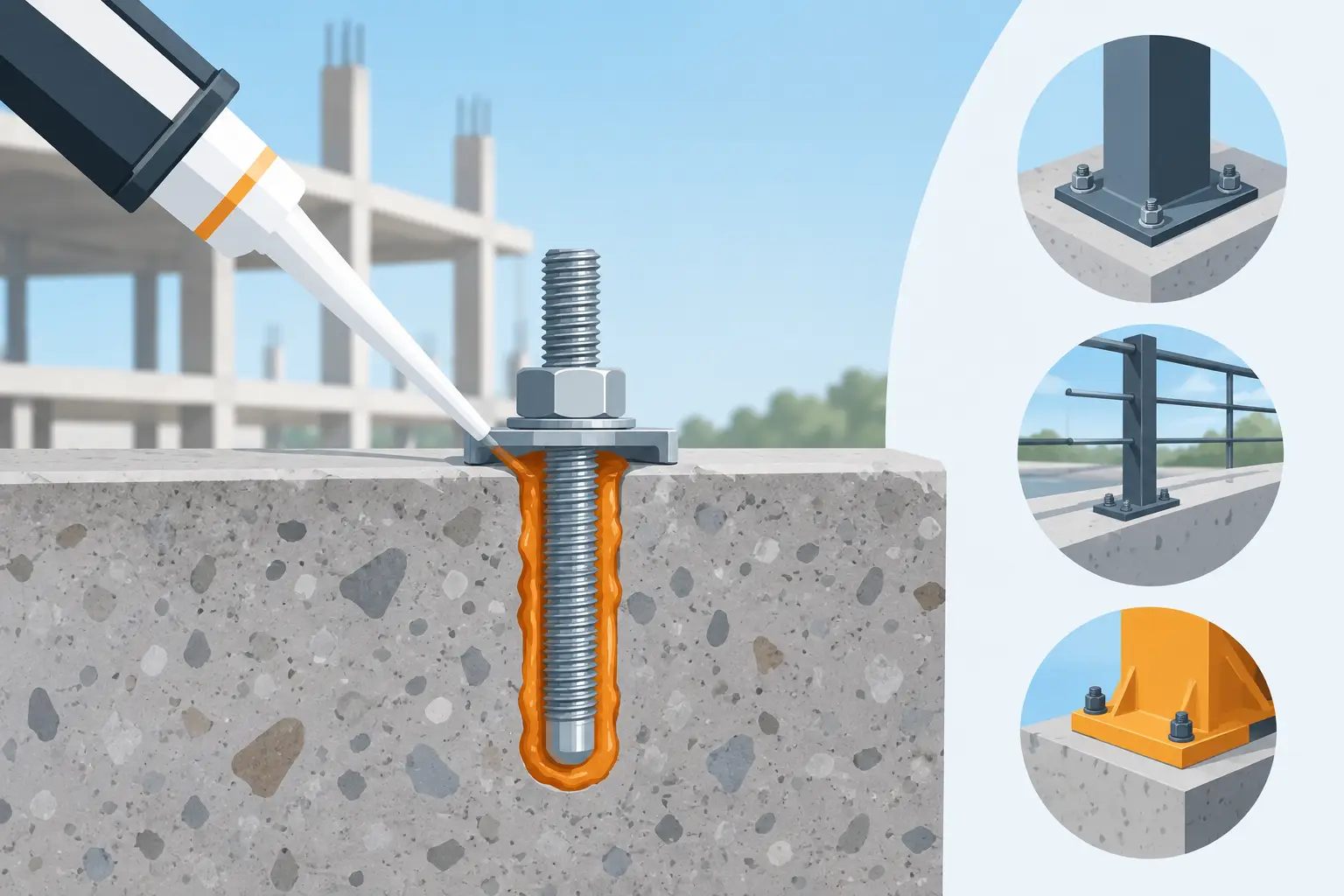
Rebar fabrication services reduce field cutting, support accurate placement, and help concrete crews keep schedules, inspections, and deliveries on track.
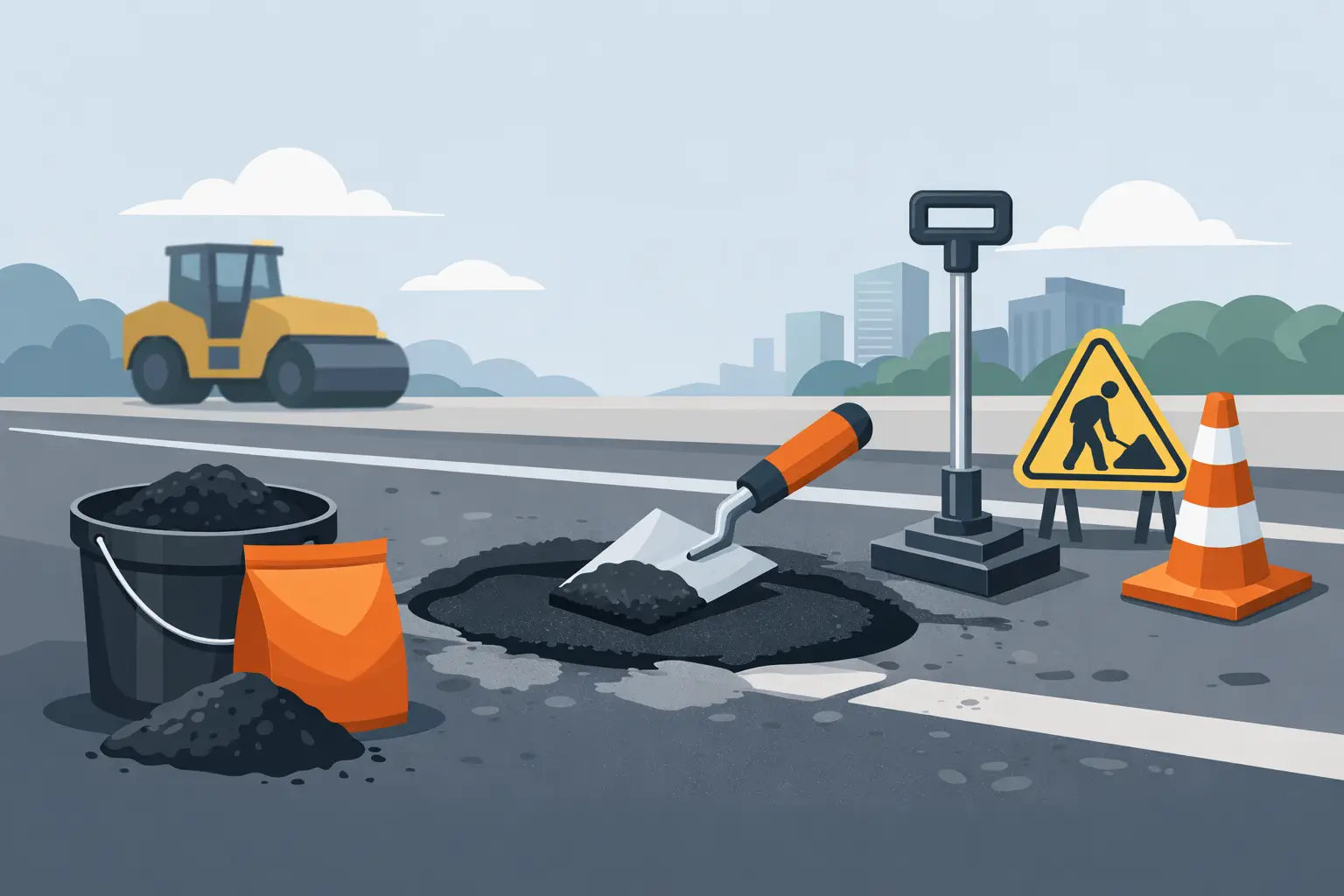
Choosing the Right Pothole Repair Compound
A failed patch usually costs more in return visits than the bag or bucket ever did. That is why choosing the right pothole repair compound matters on busy worksites, access roads, yards, loading areas, and private driveways. If the repair goes in fast but breaks down under traffic, water, or edge movement, you have not saved time – you have simply delayed the problem.
What a pothole repair compound needs to do
At a basic level, a pothole repair compound has one job: restore a damaged asphalt surface so it can carry traffic again without raveling, sinking, or opening up around the edges. In practice, that means a lot more than filling a hole.
A reliable product needs enough workability to go down quickly, enough binding strength to stay in place under vehicle loads, and enough weather resistance to handle water ingress and temperature swings. On active sites, it also needs to be practical. Crews do not always have the luxury of shutting down an area for long cure times, bringing in specialized equipment, or waiting for ideal conditions.
That is why there is no single best option for every repair. The right choice depends on traffic volume, hole depth, base condition, weather, and how permanent the repair needs to be.
Cold mix vs hot mix pothole repair compound
For most maintenance teams, contractors, and site managers, the first decision is whether a cold-applied product is the right fit. In many cases, it is.
Cold-applied pothole repair compound is popular because it is fast, easy to store, and straightforward to install. You can use it for reactive maintenance without coordinating a full paving crew. That makes it well suited to car parks, site entries, service lanes, hardstands, and local damaged sections where speed matters.
The trade-off is performance consistency across conditions. A good cold mix can hold up very well when installed properly, but poor-quality material or poor prep will show up fast. If the surrounding asphalt is badly fatigued or the base has failed, even a decent compound will struggle.
Hot mix asphalt generally delivers a stronger long-term repair when the repair area is larger, the pavement structure is compromised, or the traffic load is heavy and constant. But it also requires more planning, more equipment, and tighter installation timing. For many smaller or urgent jobs, that is not the most practical route.
When a pothole repair compound is the right solution
A pothole repair compound works best when the damaged area is localized and the surrounding pavement is still broadly serviceable. If you are dealing with isolated potholes caused by wear, water entry, or surface breakdown, a targeted patch can be efficient and cost-effective.
It is less effective when the pothole is just the visible symptom of a broader pavement failure. If the base is pumping water, the subgrade is unstable, or the asphalt around the hole is alligator-cracked and soft, patching may only buy short time. In those cases, a dig-out and rebuild is often the better spend.
This is where experience matters. If crews are repeatedly patching the same area every few weeks, the issue is probably not the compound alone. It is usually a sign that the repair area was too small, the edges were weak, or the structural support underneath has gone.
What to look for in a pothole repair compound
The best products for trade use tend to have a few things in common. They are stable in storage, easy to place, and designed to compact firmly without excessive rebound or drag. They also bond well enough to reduce edge failure, which is one of the most common reasons patches break apart.
Gradation matters more than many buyers think. A compound with aggregate sized appropriately for the repair depth tends to compact better and carry load more evenly. If the mix is too coarse for a shallow patch, it can leave voids and weak spots. If it is too fine for deeper repairs, it may not hold shape under traffic.
Water tolerance is another big factor. Some products are marketed as all-weather or rain-tolerant, which can be useful for urgent maintenance. That said, wet conditions still affect performance. Even if a material can be installed in less-than-ideal weather, you will generally get a better result on a clean, drier surface with proper compaction.
You should also consider traffic return time. On commercial sites and access routes, the repair often needs to reopen almost immediately. A product that gains stability quickly can reduce downtime, especially where trucks, forklifts, utes, or delivery vehicles are moving through all day.
Installation is where most patch failures start
A good product cannot make up for bad installation. Most failed pothole patches come back to prep, placement, or compaction.
The repair area should be cleaned out properly. Loose asphalt, mud, standing water, and debris all reduce bond and increase movement. If the sides of the pothole are ragged and undercut, trimming back to sound edges usually gives a more stable patch. It takes longer up front, but it often saves a callback.
Depth also matters. If the pothole is deep, filling it in one loose layer may not compact properly through the full section. Layering and compacting in lifts gives better density and reduces settlement. On shallow repairs, overfilling slightly before compaction helps account for consolidation.
Compaction is not optional. Even with a contractor-friendly pothole repair compound, the patch needs to be compacted firmly enough to lock aggregate and reduce air voids. Depending on the repair size, that could mean a hand tamper, plate compactor, roller, or traffic-assisted compaction where the product allows for it. The right method depends on the product and the site, but loose placement without proper consolidation is asking for early failure.
Matching the repair to the traffic load
A driveway patch and a yard patch are not the same job. Light vehicle traffic puts much less stress on a repair than repeated truck turning movements, forklift point loads, or heavy braking zones.
For low-volume areas, a practical cold-applied compound may be all you need if the base is sound and the patch is well compacted. For distribution yards, loading docks, and commercial entrances, you need to be more selective. The repair material has to resist shoving, rutting, and edge breakdown under repeated loading.
Turning areas are especially hard on patches. The twisting action from tires can tear at patch edges and displace material if the repair is not tied in properly. In these spots, spending a bit more on a better-performing compound and taking more care with cut-back edges usually pays off.
Cost per bag is not the real cost
Procurement teams and site managers are right to watch unit cost, but the cheapest pothole repair compound is rarely the cheapest repair. What matters is installed cost over time.
If one product costs less up front but needs twice the labor, more material, or repeat attendance within a short period, it is not saving money. On active construction and maintenance schedules, return visits are expensive. They tie up labor, interrupt access, and create avoidable admin.
A better way to assess value is to look at the full job: how fast the material can be installed, whether it can be stocked for urgent response, how soon the area can reopen, and how long the patch is likely to hold under actual traffic conditions. That is the standard trade buyers tend to care about, and rightly so.
Storage, handling, and site readiness
One reason cold-applied pothole products are widely used is simple logistics. They can often be stored on hand for reactive maintenance, which makes a real difference when damage appears without notice. A site team can respond quickly instead of waiting on a larger asphalt operation.
That said, storage conditions still matter. Material left open, contaminated, or exposed beyond manufacturer guidance can become hard to work with or inconsistent in performance. Buying from a supplier that keeps stock moving and handles site materials properly helps reduce that risk.
For crews managing a mix of concrete, asphalt, and reinforcement-related site work, practical availability is part of the equation. That is one reason buyers often prefer a dependable trade supplier that understands job timing, delivery pressure, and product readiness rather than treating repair material as an afterthought.
Where buyers should be cautious
Not every pothole is worth patching, and not every patch should be treated as permanent. If the surface around the hole is cracked over a broad area, if water is visibly pushing up through the base, or if depressions keep reforming, patching may only be a short-term control measure.
There is also a difference between emergency access repair and planned maintenance. For emergency use, a fast, traffic-ready compound can be the right call even if it is not the final pavement solution. For planned maintenance, it may be worth stepping back and deciding whether a larger cut-out and reinstatement is the better long-term fix.
That practical view tends to save money. It also avoids the common mistake of expecting one product to solve a structural pavement problem it was never meant to address.
For trade buyers, the right pothole repair compound is the one that fits the site condition, the traffic load, and the speed of the job without creating avoidable rework. Get that call right, and the repair does what it should – hold up, stay safe, and let the rest of the project keep moving.
Related Posts