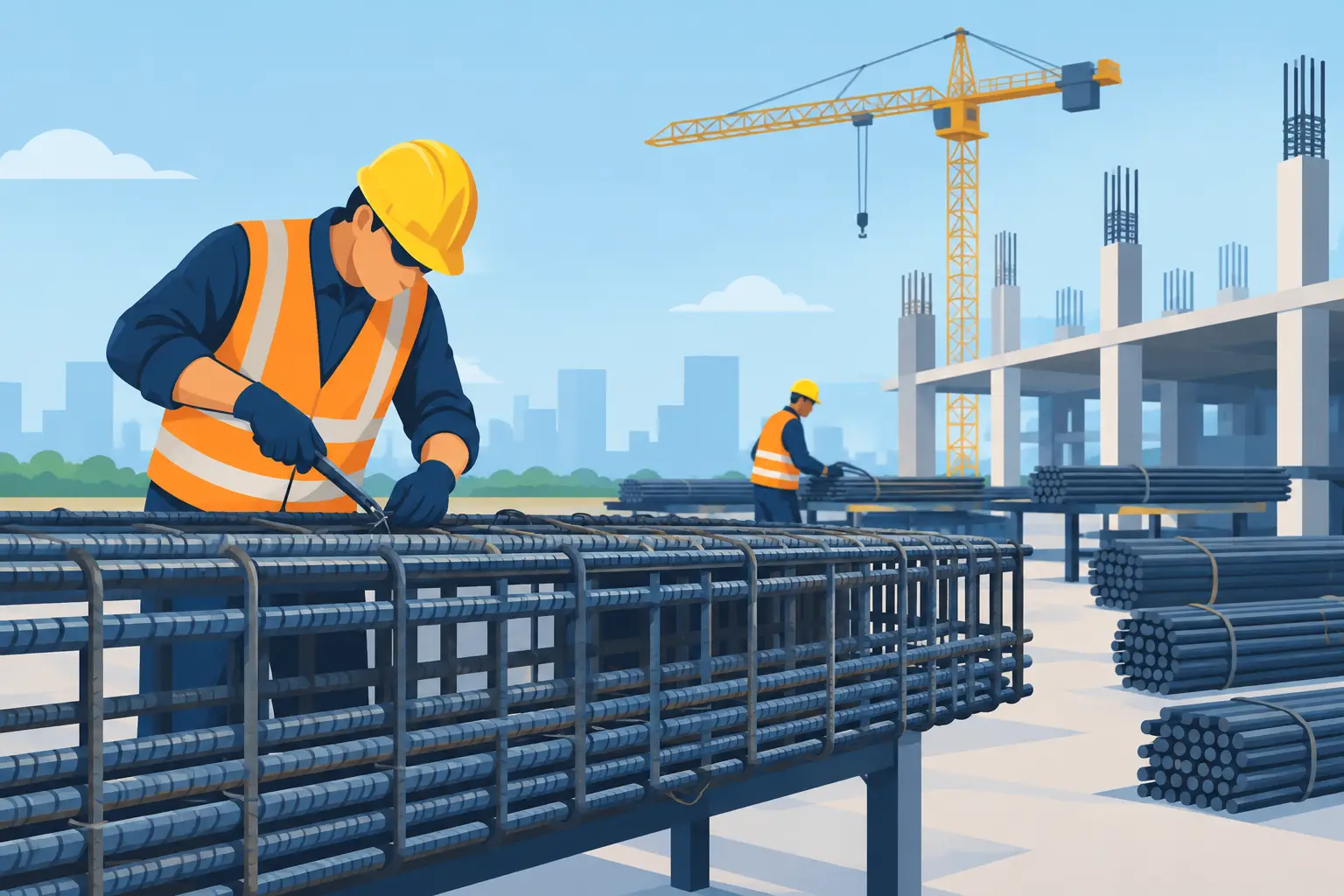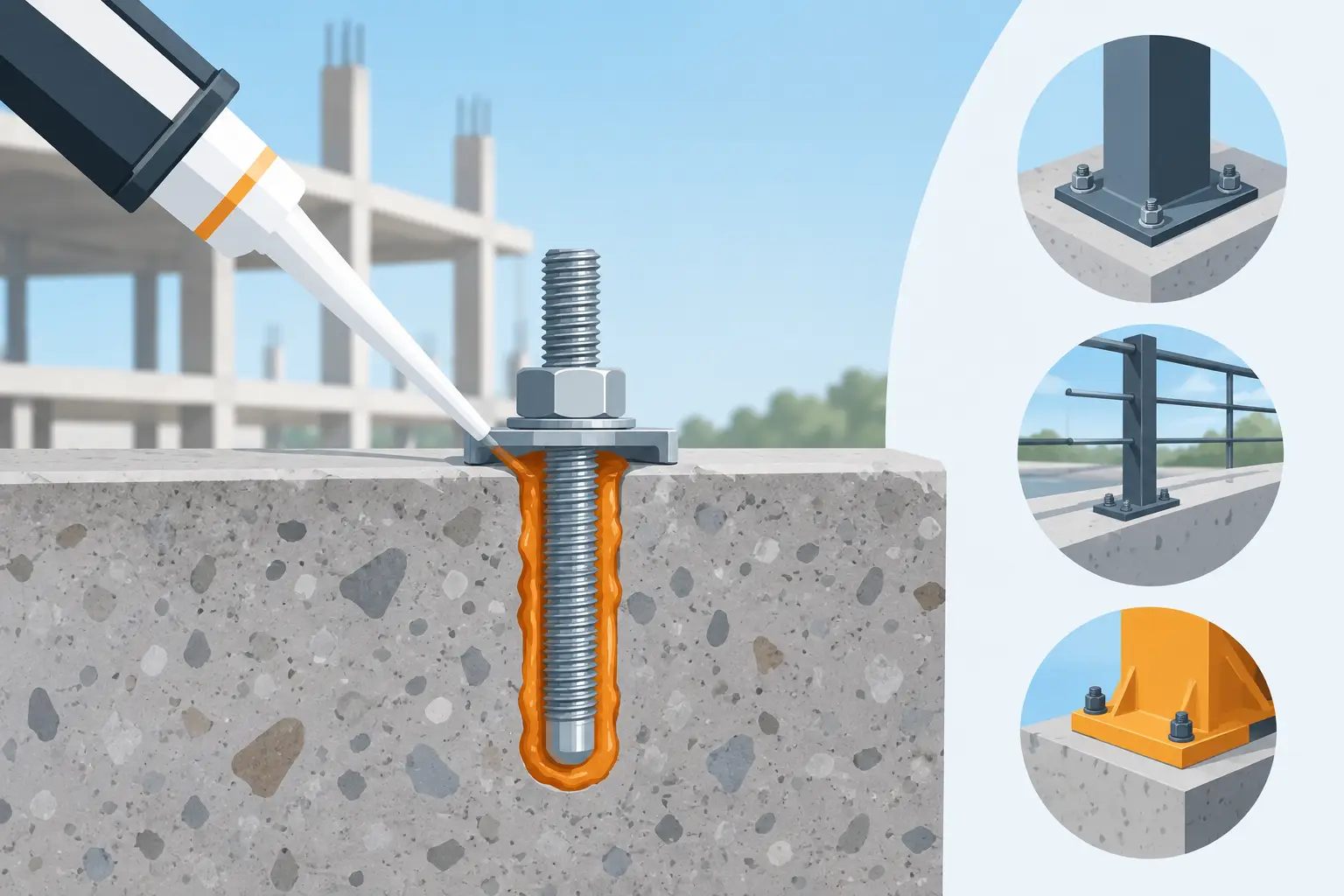
Rebar fabrication services reduce field cutting, support accurate placement, and help concrete crews keep schedules, inspections, and deliveries on track.
When to Use Bar Caps on Rebar
A crew can do everything right on reinforcement layout and still create a preventable hazard if exposed rebar is left unprotected in the wrong place. That is the real issue behind when to use bar caps. They are not just a tidy finishing item. On active jobs, they can be a practical control for exposed bar ends, especially where workers, visitors, or follow-on trades are moving through tight areas.
The catch is that bar caps are often misunderstood. Some buyers assume every exposed bar needs one. Others throw caps on vertical bars and treat the problem as solved. Neither approach is good enough. If you are ordering site safety products alongside reinforcing steel, it helps to know where bar caps make sense, where they do not, and what role they actually play.
When to use bar caps on a jobsite
Use bar caps when reinforcing bar ends are exposed and there is a realistic chance of contact by people, tools, hoses, or materials moving through the area. This usually comes up on vertical starter bars, dowels, slab edge bars, wall steel left protruding for later pours, and any temporary condition where reinforcement is in place before the next stage of work.
The most common reason is site safety. An exposed bar end can cause cuts, punctures, and impact injuries. In walk-through areas or work zones with poor visibility, caps provide a visible barrier and reduce the severity of accidental contact. That matters on residential pours, civil work, and commercial structures alike, particularly when multiple trades are sharing the same space.
Bar caps are also useful when work is staged. If a footing pour is complete and vertical bars are left projecting for a future wall or column, those bars may stay exposed for days or weeks. During that period, caps can help keep the area safer and easier to identify, especially if the bars sit near access paths or material handling routes.
What bar caps actually do
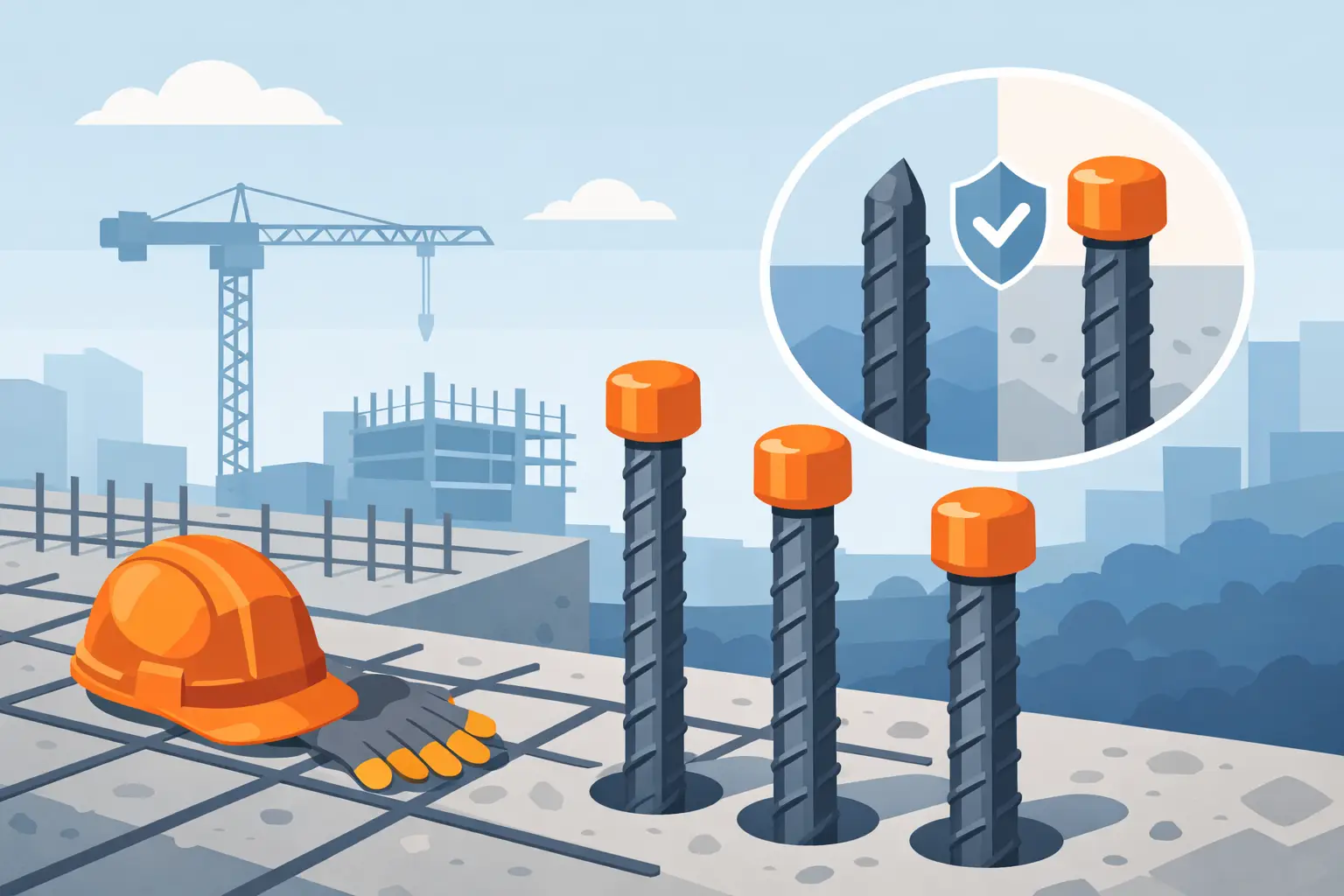
Standard bar caps are primarily a visibility and contact protection measure. They cover the sharp cut end of the rebar and make it easier for workers to spot protruding steel. In many day-to-day site conditions, that alone is worthwhile.
But there is an important distinction here. A simple plastic cap is not always an impalement protection device. If there is a fall risk onto vertical rebar, a light cap may not provide enough resistance. That is where some sites require a reinforced cap or a different engineered control. The exact requirement depends on site rules, safety planning, and applicable regulations.
This is where buyers can get caught out. If the hazard is minor contact at ground level, a basic cap may be suitable. If the hazard involves a worker falling from height or stepping down onto exposed steel, treating any cap as sufficient can be a serious mistake.
When bar caps are the right choice
Bar caps make the most sense when the exposed rebar cannot reasonably be removed, bent, boxed out, or isolated yet. On staged concrete work, that is common. You may need the bars to remain exactly where they are for a continuation pour, lap splice, starter connection, or structural tie-in.
They are also a good fit when exposed bars are temporary but unavoidable. For example, slab dowels projecting into a future section, footing starters for masonry or concrete walls, or landscape retaining work where reinforcement will remain proud until the next phase. In those situations, adding caps is quick, low-cost, and practical.
Another good use case is around storage and preassembly areas. If cut lengths, cages, or partially assembled reinforcement are stacked or staged where people are working nearby, caps can reduce incidental contact hazards on exposed ends. They will not replace proper storage discipline, but they can help where material handling is constant and turnaround is tight.
When bar caps are not enough
This is the part that matters most. Bar caps are not a fix for every exposed rebar hazard.
If there is a meaningful impalement risk, you need to look beyond a standard cap. That could mean reinforced caps designed for higher impact resistance, timber troughing, guardrail systems, barricading, relocating access routes, or changing the sequence so the hazard is removed earlier. The right option depends on the site setup and the level of exposure.
Bar caps are also not a substitute for required concrete cover, correct bar placement, or proper termination detail. They do not solve noncompliant reinforcement layout. If a bar end is exposed because the steel was set incorrectly or cover was lost, capping it does not correct the structural issue.
They are also limited in high-traffic plant areas. If machinery, pallets, or heavy materials are regularly moving through the zone, caps may be knocked off or crushed. In those cases, a more durable barrier or a revised access plan usually makes more sense.
How to judge whether you need them
A practical way to decide when to use bar caps is to ask four questions.
First, is the bar exposed above a finished or working surface where people can strike it? Second, will that bar remain exposed long enough for normal site movement to create a real risk? Third, is there a better control available, such as bending the bar, boxing it out, or isolating the area? Fourth, what kind of hazard are you dealing with – minor contact, trip and strike, or potential impalement?
If the answer points to exposed bars in active work areas with no better immediate control, caps are usually a sensible call. If the risk is more severe, treat caps as one part of the control, not the whole solution.
Common site examples
Starter bars for walls and columns
This is one of the most common cases. Bars project from a footing or slab and stay exposed until formwork and the next pour are ready. If crews are working around them, caps are often a straightforward safety measure. The longer those starters remain exposed, the more worthwhile caps become.
Slab edge dowels and future tie-ins
Where bars extend from a slab edge into a future section, they can sit directly in material paths or foot traffic areas. Caps help mark them clearly and reduce contact injuries, but if the area is busy, you may also need barricading or temporary protection around the whole run.
Retaining walls and landscape work
On smaller sites, reinforcement can stay exposed longer because work is phased around excavation, drainage, and access. Owner-builders and smaller crews sometimes overlook this. If bars are left standing between work days, capping them is a simple way to leave the site safer.
Pre-tied cages and stock on site
When reinforcement cages are assembled ahead of installation, exposed ends around the storage zone can create a nuisance hazard. Caps can help there, especially if the area is tight and materials are being moved in and out constantly.
Choosing the right type of cap
Not all bar caps are the same. Some are basic plastic safety caps for visibility and edge protection. Others are reinforced products intended for higher-risk applications. The right choice depends on bar size, exposure conditions, and what level of protection is actually needed.
Fit matters too. A cap that is too loose will fall off during handling or weather exposure. One that does not suit the bar profile may not sit securely at all. For trade buyers, this is where it pays to order caps with the same practical mindset used for mesh, chairs, tie wire, or stirrups – match the product to the task, not just the price line.
If you are buying for multiple crews or mixed job types, it also helps to standardize what goes out to site. That makes it easier for supervisors and procurement staff to know what is being used and why.
Bar caps and compliance
Safety requirements vary by jurisdiction, principal contractor rules, and the specific risk assessment for the work area. That means there is no one-size-fits-all answer. On some sites, standard caps may be accepted for low-level exposure. On others, only reinforced protection or physical barriers will meet the expected control standard.
For that reason, the best approach is to treat bar caps as part of a broader site safety decision, not as a universal compliance shortcut. If the bars present a serious exposure risk, check the site requirements before ordering in bulk or sending crews ahead with the wrong product.
For contractors working to tight schedules, the practical move is simple: identify exposed reinforcement early, decide whether the hazard is basic contact or something more serious, and order the right control with the steel package instead of dealing with it after inspection or after a near miss. That is usually faster, cheaper, and a lot less disruptive.
On busy concrete and civil jobs, small items can prevent bigger problems. Bar caps are one of those items when they are used for the right reason and in the right place.
Related Posts