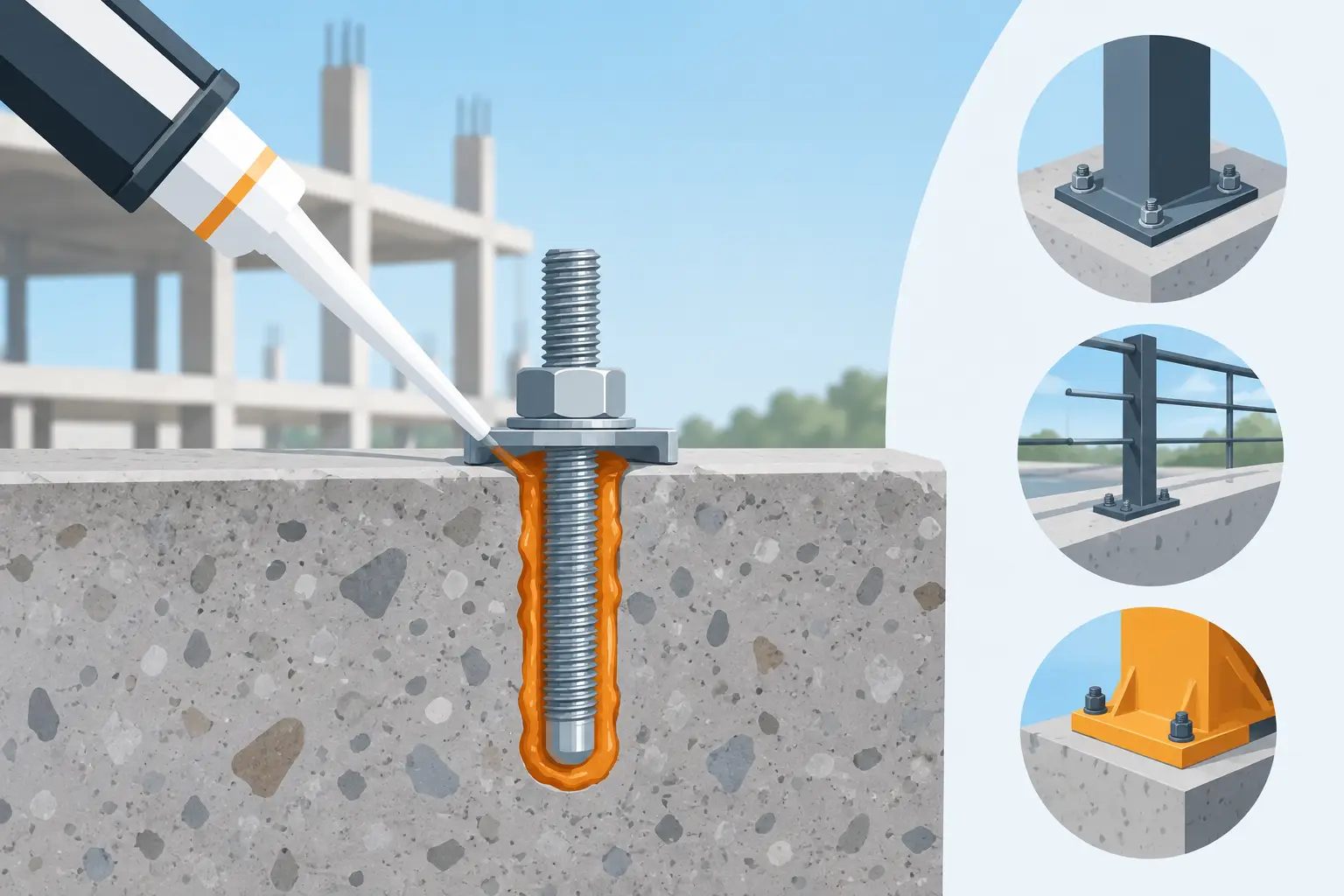
Rebar fabrication services reduce field cutting, support accurate placement, and help concrete crews keep schedules, inspections, and deliveries on track.

How Reinforcing Mesh Suppliers Keep Pours Moving
A concrete pour rarely falls behind because someone forgot what reinforcing mesh does. It falls behind because the specified mesh is unavailable, the sheet size is wrong for the access route, the delivery window is missed, or the paperwork cannot confirm what arrived. Good reinforcing mesh suppliers prevent those avoidable problems by treating steel supply as part of the construction schedule, not just a catalog transaction.
For builders, concrete crews, civil contractors, and owner-builders, mesh is a structural material that has to match the plans, arrive in usable condition, and be on site before the crew starts setting chairs and tying laps. Price matters, but a low unit price does not help if the truck turns up after the concrete crew has been stood down.
What to Expect From Reinforcing Mesh Suppliers
A capable supplier starts with the basics: the correct mesh type, clear product identification, transparent pricing, and stock that can be dispatched when the job needs it. From there, the difference is in the operational details. Can the supplier confirm the mesh grade and sheet dimensions? Can they provide relevant documentation when your project requires it? Can they coordinate delivery to a busy residential site, a commercial slab pour, or a civil work zone without creating another handling problem for the crew?
Mesh is often ordered under time pressure, especially when footing, slab, driveway, and hardscape work is moving through several trades. That does not mean the order should be vague. A supplier should be able to work from the project specification and help make sure the product ordered is the product the detail calls for. If there is any uncertainty over mesh designation, bar diameter, spacing, sheet size, overlap, or placement, resolve it before the order is loaded.
The key point is simple: the engineer or designer specifies the reinforcement. The supplier’s job is to provide the specified material accurately, with practical service around delivery and ordering. It is not to substitute products based only on what happens to be in stock.
Product availability is more than a stock count
A website showing an item for sale is useful, but it is not the same as confirming that the quantity needed can be allocated to your job. Larger pours can consume far more mesh than a quick estimate suggests, particularly once overlaps, cuts, waste, irregular slab edges, and staging are allowed for.
Ask for confirmation of available quantity when the job is substantial or the pour date is fixed. This is especially important when several contractors are drawing from the same local supply chain. A supplier that can give a straight answer on stock, lead time, and delivery options helps you make decisions early rather than improvising the day before the pour.
Sheet size also affects availability and logistics. Full sheets may be the most efficient choice for an open site with machine access. On a tight urban site, through a narrow driveway, or where handling space is limited, the practical question becomes whether the material can be unloaded, moved, and positioned safely. The lowest-cost sheet is not always the lowest-cost solution once extra cuts, labor, and handling are considered.
Compliance needs to be easy to verify
Reinforcement is not an area for assumptions. The mesh must meet the project’s specified standard, grade, and detailing requirements. That may involve confirming product markings, mill or supplier documentation, and traceability details required by the engineer, inspector, principal contractor, or procurement team.
Reliable reinforcing mesh suppliers make this process straightforward. Product descriptions should clearly identify what is being sold, and staff should be able to answer direct questions without guessing. If documentation is required, request it at the ordering stage rather than after the steel has been placed.
This matters most on commercial and industrial projects, where records are often needed as part of quality assurance. It also matters on residential work. A slab may be covered by concrete within hours, so problems with the wrong material can become expensive quickly. Checking the mesh before installation is far easier than trying to explain a mismatch after the pour.
Order Mesh Around the Detail, Not a Rough Guess
A clean order begins with the reinforcement drawing or schedule. Confirm the mesh designation, number of sheets, required laps, and any different mesh zones across the slab. Do not assume one mesh type covers the whole job. Thickenings, footings, load-bearing areas, driveways, retaining work, and external slabs may all have different reinforcement requirements.
The sheet count should allow for overlaps and cutting. A plan area divided by the nominal coverage of a sheet is only a starting point. Mesh sheets need to overlap as detailed, and slab geometry creates offcuts. Ordering too tightly can leave the crew short by a few sheets at the worst possible time. Ordering excessive material without a plan can tie up cash and create a storage issue on site.
It also pays to order the related items at the same time. Mesh needs correct support so it remains at the required position during the pour. Bar chairs, tie wire, starter bars, reinforcing bar, stirrups, and concrete fixings are often part of the same sequence of work. Splitting these items across several late orders increases the chance that a small but essential component is missing when the crew is ready.
For recurring work, keep a simple record of what each job actually used. Over time, this gives estimators and site supervisors a better basis for allowing for laps, waste, access restrictions, and typical slab layouts. It is more useful than relying on a generic takeoff every time.
Delivery Planning Protects the Pour Date
Fast delivery is valuable, but only when the delivery plan fits the site. Give the supplier the delivery address, preferred time, site contact, access limitations, and any unloading instructions when you place the order. Mention narrow access, overhead restrictions, traffic controls, gated entries, forklift availability, or whether the load needs to be positioned close to the work area.
Mesh is awkward to move by hand over distance. If it is dropped at the wrong end of the site, the crew may lose time dragging sheets around obstacles or may need equipment that was not planned. Where possible, arrange for the delivery to be placed where it can be safely handled and kept clear of mud, standing water, and vehicle traffic.
Urgent orders are sometimes unavoidable. Weather changes, failed inspections, design revisions, and underestimated quantities happen. The useful supplier response is not a vague promise. It is a clear answer about what can be supplied, when it can leave, and what delivery arrangement is realistic. That clarity lets the site team decide whether to adjust labor, move the pour, or source an approved solution through the proper project process.
Compare the Total Cost, Not Just the Sheet Price
Competitive pricing should be visible and easy to compare, particularly for standard mesh products. But procurement decisions should account for the complete cost of getting compliant reinforcement into the slab. Delivery charges, minimum order values, handling time, replacement orders, and downtime can all outweigh a small difference in the price of one sheet.
A supplier with transparent per-item pricing makes estimating easier. You can build the material cost into a quote, identify the cost of alternates where the design permits them, and avoid waiting for a basic price check. For larger-volume orders, direct contact remains useful because staged delivery, stock allocation, and project-specific requirements may need to be discussed before the order is confirmed.
There is also a trade-off between buying everything early and buying only what is immediately needed. Early purchasing can protect supply for a fixed program, but it requires secure storage and careful material control. Staged supply reduces site congestion and exposure to damage, but it depends on dependable stock and delivery. The right approach depends on the project schedule, storage space, and the consequences of a delayed pour.
Questions Worth Asking Before You Place the Order
Before committing to a mesh supplier, make sure you can get direct answers to four practical questions:
- Is the specified mesh available in the quantity and sheet format required?
- Can the product grade, dimensions, and compliance information be confirmed?
- What is the realistic delivery date and unloading arrangement for this site?
- Are chairs, tie wire, bar, and other reinforcement essentials available with the same order?
These questions are basic, but they expose the difference between a supplier that simply takes an order and one that understands construction sequencing. They also give your foreman, project manager, or procurement contact the information needed to keep the job moving.
The best time to test a supplier is before the concrete truck is booked. Confirm the mesh, confirm the delivery plan, and have the supporting reinforcement items ready. That gives the crew one less reason to stop when it is time to place steel and pour.
Related Posts