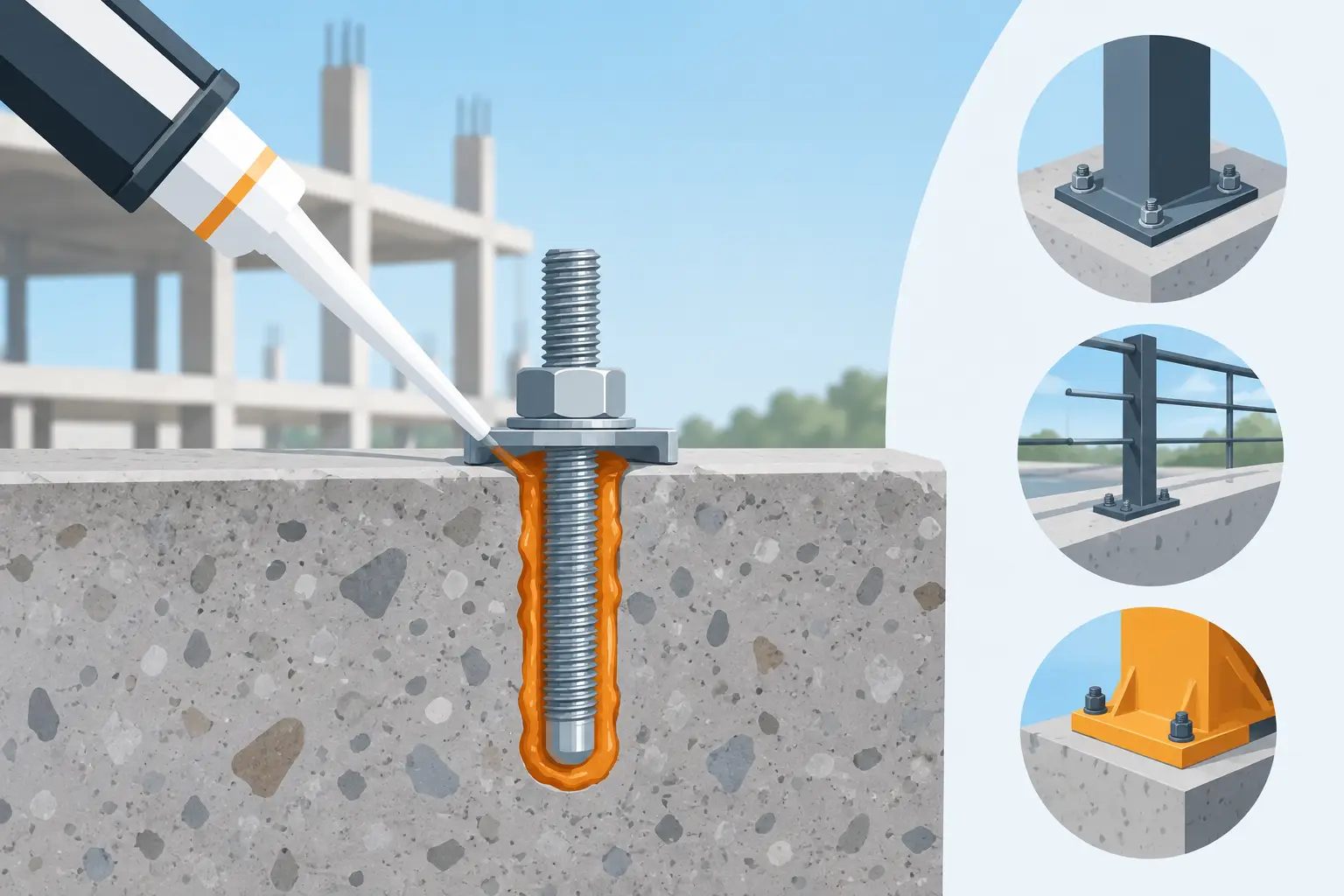
Rebar fabrication services reduce field cutting, support accurate placement, and help concrete crews keep schedules, inspections, and deliveries on track.
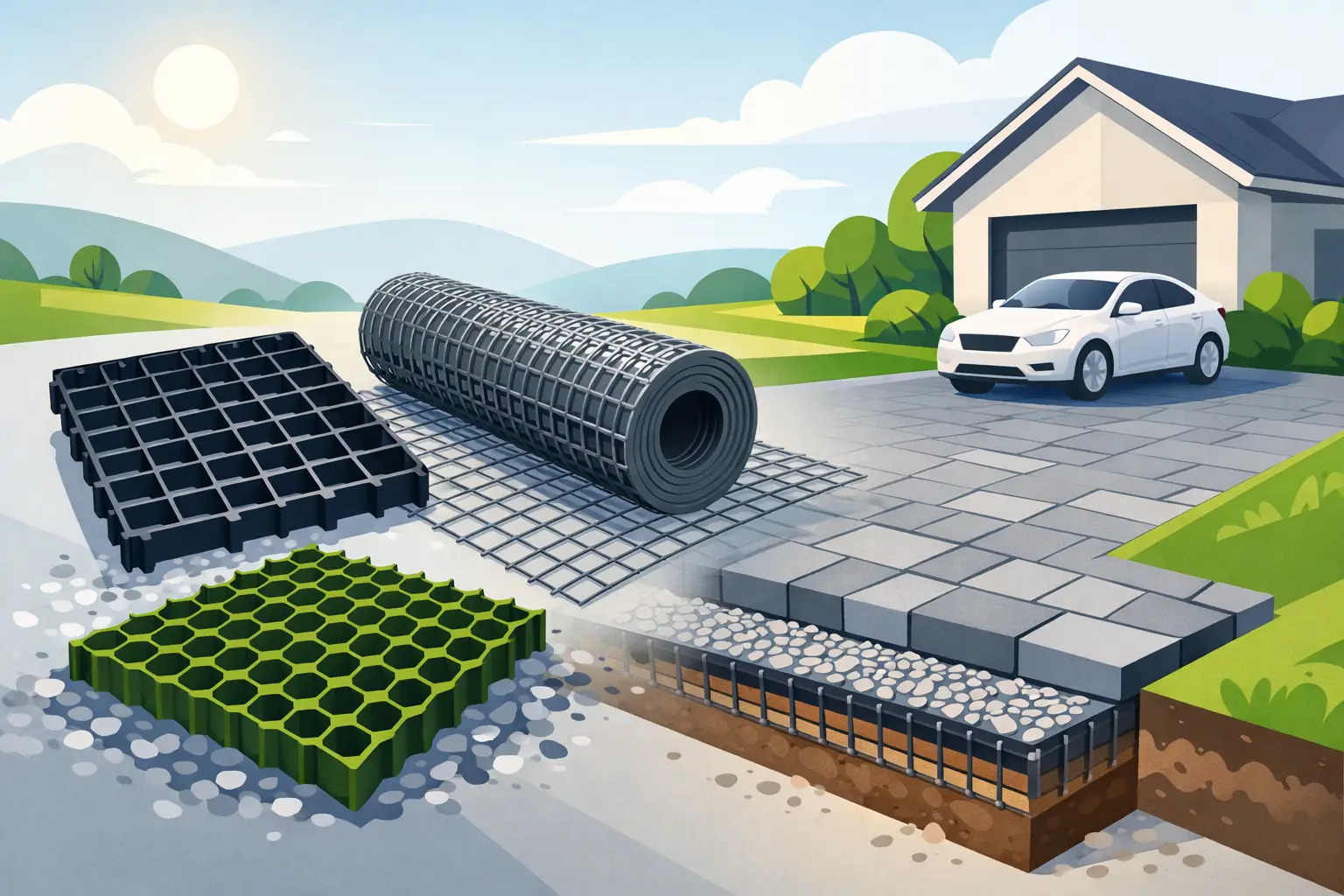
Best Mesh for Driveways: What to Use
A driveway that looks fine on pour day can start showing its problems fast – edge cracking, wheel-path settlement, and random shrinkage cracks that open up once vehicles start using it. That is why choosing the best mesh for driveways is not just a buying decision. It is a structural decision tied to slab thickness, subgrade quality, vehicle loads, joint layout, and placement on site.
For most standard residential driveways, welded reinforcing mesh is the usual starting point because it helps control cracking and gives the slab more reliable tensile support than plain concrete alone. But there is no single mesh that suits every driveway. A light-duty path to a garage is one thing. A long driveway carrying delivery vans, work utes, or occasional heavy vehicles is another.
What the best mesh for driveways really depends on
If you are trying to specify the best mesh for driveways, the first question is not mesh size. It is loading. A driveway carrying passenger vehicles on a well-prepared base can often use a lighter reinforcement schedule than a slab exposed to heavier axle loads, tight turning, or weaker ground conditions.
The next factor is slab design. Mesh does not make up for under-thickness concrete, poor compaction, or bad drainage. If the base is soft, the subgrade pumps water, or the slab is too thin for the traffic it will carry, even the right mesh will not save the job. Reinforcement is there to work with the slab design, not replace it.
Placement also matters more than many people think. Mesh left sitting on the ground during the pour does very little compared with mesh supported in the correct position. If the steel is not where the design expects it to be, you are not getting the performance you paid for.
Mesh options commonly used in driveway slabs
In most driveway applications, welded wire reinforcing mesh is selected because it is fast to place, consistent, and practical for concrete flatwork. The exact sheet type and wire diameter should match the engineer’s details or local code requirements, but the general idea is straightforward: heavier loads and more demanding conditions usually call for a stronger reinforcement schedule.
Lighter mesh may be suitable for residential slabs with modest vehicle traffic and good base conditions. Medium to heavier mesh is more common where there is greater slab area, higher traffic volume, or an increased chance of stress from turning movements and edge loading.
Some contractors also compare mesh with rebar grid layouts. Rebar can be the better option in certain high-load or engineered situations, especially where point loads, thickened edges, or custom reinforcement zones are involved. For a standard driveway slab, though, mesh is often the more efficient and cost-effective choice because it speeds up installation and gives even coverage across the panel.
Why driveway loading changes the answer
A lot of driveway failures come from assuming all residential traffic is the same. It is not. A sedan and a loaded work truck do not stress a slab the same way. If the driveway leads to a workshop, supports trailers, or gets regular use from trade vehicles, the reinforcement decision should reflect that.
This is where the best mesh for driveways becomes a job-specific question. For light-duty domestic use, a standard reinforcing mesh sheet may be enough when combined with correct slab thickness and proper base preparation. For heavier use, stepping up reinforcement can be the right move, especially around entrances, aprons, and turning zones where stresses concentrate.
If the client says, “It is only a driveway,” but the site will see skip bins, concrete trucks crossing the edge, or service vehicles parked repeatedly in the same spot, treat it accordingly. Reinforcement should match actual use, not the label on the drawing.
Base prep matters as much as the steel
It is common to focus on the mesh because it is visible in the takeoff and easy to price. The base is less obvious, but it has just as much impact on driveway performance. If the subgrade is uneven or poorly compacted, the concrete will bridge weak spots and crack under load.
A well-prepared base gives the slab uniform support. That means proper excavation, compacted fill where needed, and drainage that keeps water from undermining the slab over time. If the site is known for soft ground or moisture issues, that should be addressed before anyone decides the reinforcement alone will carry the risk.
Mesh works best when the slab has consistent support underneath it. If not, you end up asking the steel to compensate for construction problems it was never designed to fix.
Correct placement is non-negotiable
Even good mesh becomes poor reinforcement if it ends up at the bottom of the slab. For driveway concrete, the mesh needs to be supported on suitable bar chairs or spacers so it stays at the designed height during the pour. That keeps the steel in the zone where it can actually help control cracking.
On site, this is where rushed placement causes trouble. Mesh gets laid out, workers walk it down, the concrete goes in, and the steel finishes too low. The slab still has reinforcement in it on paper, but not in the right position in practice.
Chairs, laps, and sheet alignment need to be treated as part of the system, not add-ons. If sheets are not lapped correctly or the mesh is not held stable during the pour, the slab will not perform the way the design intended.
Mesh is not a substitute for joints
One mistake that shows up regularly is expecting reinforcement to stop all cracking. It will not. Concrete shrinks as it cures, and cracks are part of that reality. The role of mesh is to help hold the slab together and limit crack width, not eliminate movement altogether.
That is why joint layout still matters. Control joints should be planned to encourage cracking where you want it, instead of leaving the slab to choose its own line. In a driveway, panel size, geometry, re-entrant corners, and transitions to garages or paths all affect where cracks are likely to form.
The better approach is to design the slab properly, reinforce it correctly, and joint it sensibly. When those three things work together, the driveway has a much better chance of staying serviceable and presentable over time.
When heavier reinforcement is worth the cost
There is always a pricing decision behind reinforcement selection. Heavier mesh costs more, and on straightforward domestic work there is no point overspecifying steel just to be safe. But there are jobs where stepping up the reinforcement is cheaper than dealing with callbacks, sawcut repairs, or early slab failure.
If the driveway has a long span between joints, questionable subgrade, sloping access, or regular heavier vehicles, the extra steel may be justified. The same applies where site access makes future repairs disruptive or expensive. A slightly higher upfront material cost can be the better commercial decision when the risk profile is higher.
That said, more steel is not always the answer. If the slab thickness is wrong or the base is poor, simply upgrading the mesh may not deliver the result you expect. Good specification means looking at the whole driveway build-up, not treating reinforcement as the only variable.
Practical buying advice for contractors and owner-builders
If you are ordering reinforcement for a driveway, start with the engineer’s schedule or the local code requirement if the job is straightforward and does not require custom design. Confirm the slab thickness, expected vehicle loads, joint spacing, and whether the driveway includes thickened edges or localized load points.
Then make sure the rest of the reinforcement package is covered. That usually means mesh sheets, bar chairs for correct cover, tie wire where required, and any trench mesh or rebar needed at edges, beams, or transitions. Missing small items is what slows pours down.
This is also where a specialist supplier helps. A trade-focused supplier such as Quality Steel Supplies can help you get the reinforcing steel and site accessories lined up in one order, with clear product information and fast delivery when the pour date is tight. For builders and concrete crews, that matters just as much as the steel grade itself.
So, what is the best mesh for driveways?
The best mesh for driveways is the mesh that matches the slab design, the traffic load, and the site conditions – and then gets installed in the right position. For a typical residential driveway, standard welded reinforcing mesh is often the practical choice. For heavier-duty use, weak ground, or more demanding layouts, a stronger mesh schedule or a different reinforcement design may be the smarter option.
If you are comparing options, do not judge mesh on price alone. Check whether it suits the actual loading, whether the slab and base are designed to support it, and whether the crew can place it properly. A driveway only performs as well as the full system underneath it.
Get that part right, and the reinforcement becomes what it should be: one less thing to worry about once the concrete is down.
Related Posts