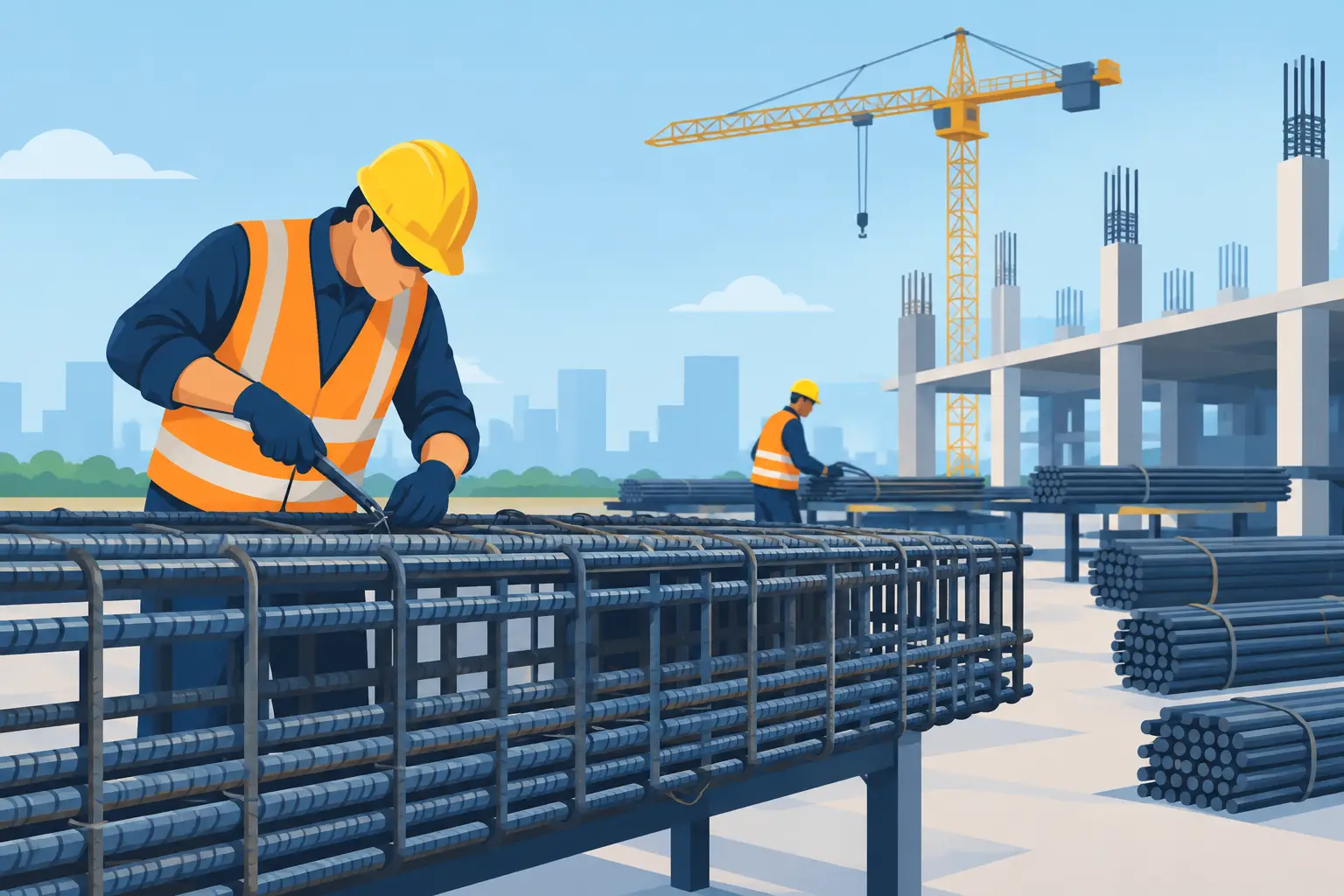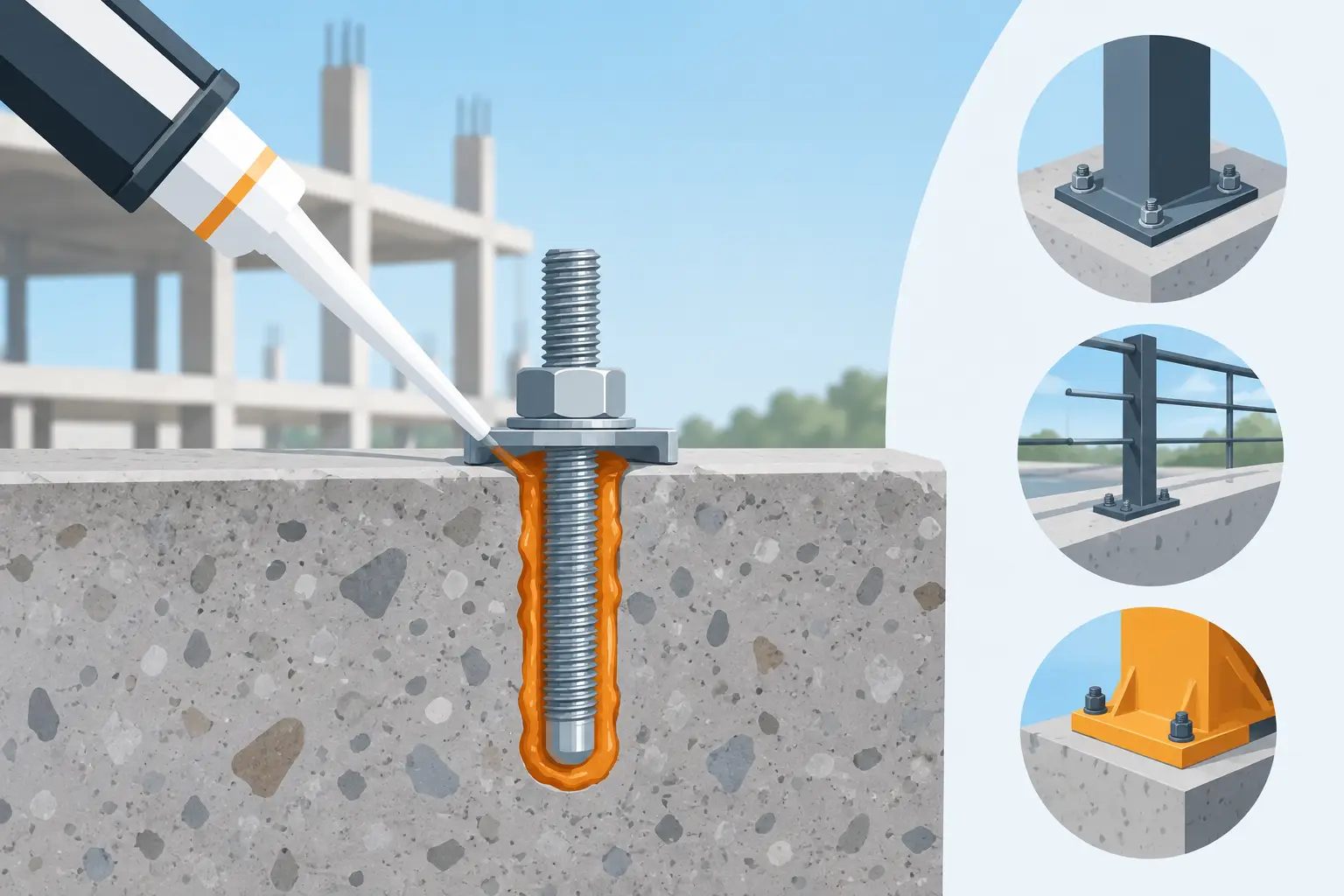
Rebar fabrication services reduce field cutting, support accurate placement, and help concrete crews keep schedules, inspections, and deliveries on track.
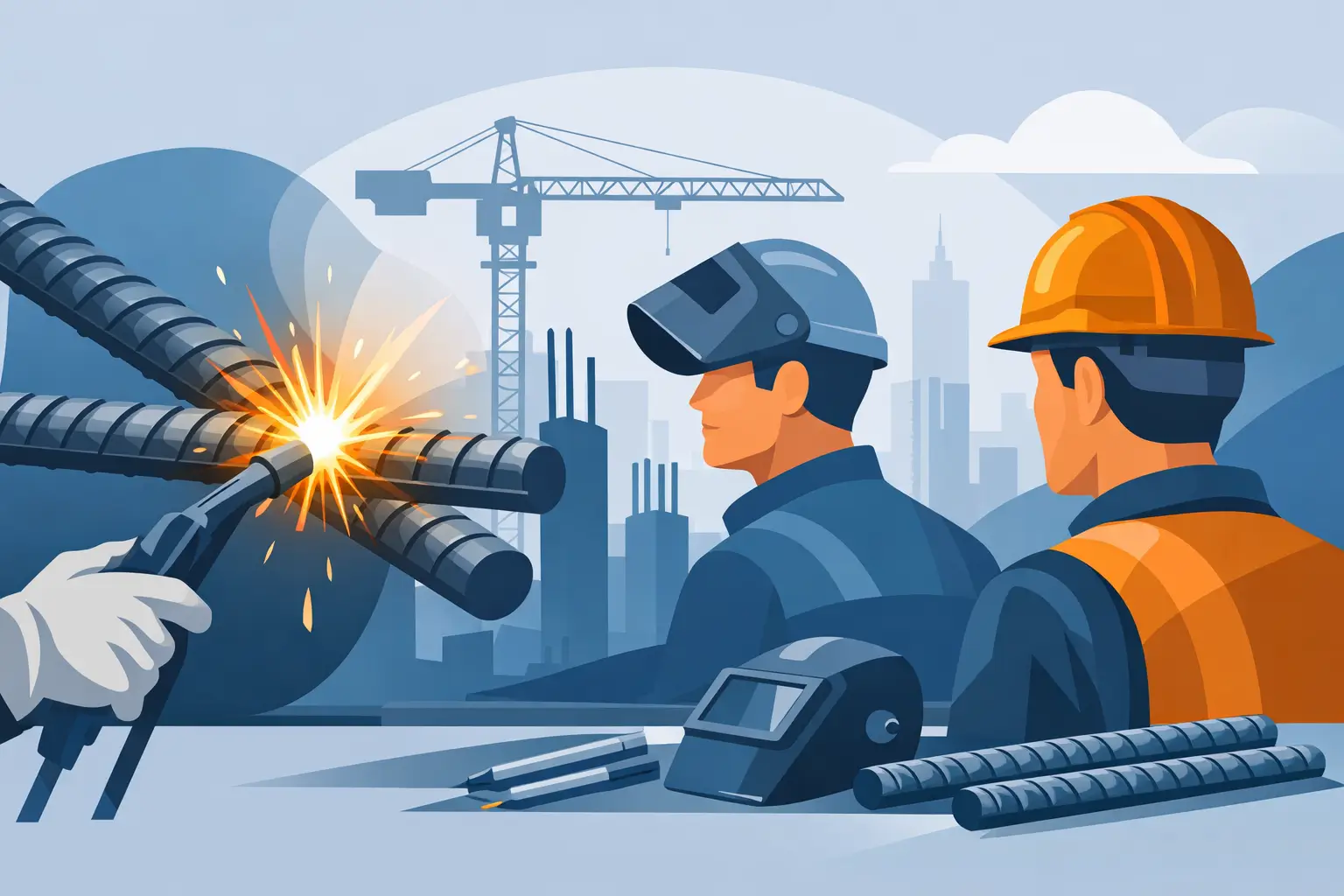
Can Rebar Be Welded? What Contractors Need to Know
A last-minute bar change, a missed splice length, or an awkward connection can make welding look like the quickest fix. But can rebar be welded without compromising the reinforcement? Sometimes, yes. Other times, welding can reduce ductility, create a weak point in the bar, or produce a connection that does not meet the structural design.
For builders and concrete crews, the practical answer is simple: do not treat reinforcing bar like general mild steel. Confirm the bar grade, follow the project drawings and governing code, and get engineering approval before welding any structural reinforcement.
Can Rebar Be Welded Safely?
Rebar can be welded safely when the steel is specifically suitable for welding and the weld is designed and completed under an approved procedure. Weldable reinforcing steel is manufactured with chemistry controls that limit the risk of cracking and brittleness in and around the weld.
The key issue is not whether a welder can physically join two bars. A competent welder can put metal between almost any two pieces of steel. The issue is whether that welded connection retains the strength, ductility, fatigue performance, and bond behavior required by the design.
Most reinforcement on a job is intended to be tied in place, then embedded in concrete. Tie wire holds bars at the correct spacing while concrete is placed. It is not a structural connection, and neither is a casual tack weld. If a welded splice, welded crossing, or welded attachment is needed, it must be shown on the drawings or approved by the engineer of record.
Why Rebar Grade Matters Before Welding
Rebar is not one uniform product. Its weldability depends heavily on chemical composition, particularly carbon content and carbon equivalent. Higher carbon equivalent makes steel more likely to harden in the heat-affected zone beside the weld. That hardening can lead to cracking, reduced ductility, or failure under load.
In U.S. specifications, ASTM A706 reinforcing bar is commonly identified as the more weldable option because it has controlled chemical requirements. ASTM A615 bar may be weldable in some circumstances, but it should not be assumed to be suitable without checking the mill documentation, project requirements, and the applicable welding standard.
For projects governed by other national standards, use the specified reinforcement grade and the relevant welding requirements. The same rule applies everywhere: the bar markings alone may not tell the full story. Confirm the product certificate and do not rely on appearance, supplier assumptions, or what was done on a previous job.
A bar that has been cold-worked, high-strength, epoxy-coated, or galvanized may need additional consideration. Coatings can be damaged by heat, and welding galvanized steel creates hazardous fumes. Welded areas may also need approved coating repair to restore corrosion protection.
When Welding Rebar Is Usually Appropriate
Welding is most commonly used where the structural design specifically calls for it. This may include prefabricated reinforcement cages, certain welded assemblies, engineered bar splices, or attachments that must resist handling and placement loads. Fabrication in a controlled shop environment is generally easier to manage than ad hoc welding beside an excavation or slab pour.
Even then, the design needs to define what the weld is doing. A weld intended only to keep a cage rigid during lifting is different from a weld transferring full tensile force from one reinforcing bar to another. The weld type, length, location, electrode or filler metal, preheat requirements, and inspection requirements all depend on that purpose.
For structural splices, a mechanical coupler or a correctly detailed lap splice is often the cleaner option. Couplers can reduce congestion and avoid heat effects on the bar. Lap splices are familiar and effective when there is enough room, the required development length is available, and the drawings allow them. Neither option should be substituted without approval, but both can be more predictable than field welding.
When You Should Not Weld Rebar
Do not weld reinforcement just because the bar is short, the crew wants to hold a layout in position, or a delivery issue has put pressure on the pour schedule. Those are site problems, but an unapproved weld can become a structural problem hidden inside concrete.
Avoid welding where:
- The bar grade and mill certificate cannot be confirmed.
- The drawings do not show a welded connection or the engineer has not approved one.
- The bar is under tension, already bent, damaged, or positioned in a critical high-stress zone.
- The weld would replace a required lap length, hook, development length, or mechanical splice.
- The bar is epoxy-coated or galvanized and no approved procedure addresses coating damage, fume control, and repair.
- The reinforcement is already embedded in concrete or close enough to concrete that heat may cause cracking or damage.
Tack welding deserves the same caution. A small tack may look harmless, but it still puts a localized heat cycle into the bar. If it is not part of an approved fabrication or placement procedure, use tie wire, chairs, spacers, clips, or other approved methods to secure the steel instead.
What a Proper Rebar Welding Process Looks Like
Once welding is approved, it should be handled as a controlled operation rather than a quick field repair. The contractor needs to verify the reinforcing bar identification, heat or batch traceability where required, and supporting material certificates. The welding procedure must suit the bar size, grade, joint configuration, and site conditions.
A qualified welder should work to the specified procedure. Depending on the design and applicable code, that may include controlled preheat, limitations on interpass temperature, approved consumables, and visual or other inspection. Poor surface preparation, wet bars, wind exposure, incorrect electrodes, and rushed cooling can all affect weld quality.
The location of the weld matters as much as the weld itself. Reinforcement is often concentrated around columns, beam supports, wall openings, pile caps, and other areas where stresses are high. A splice placed in the wrong zone can be a design issue even if the weld looks sound. Follow the bar schedule and drawings, and raise variations before the pour, not after concrete has covered the work.
Where prefabricated cages are required, plan the fabrication before material arrives on site. Order the correct bar sizes, bends, stirrups, mesh, tie wire, and chairs together. This reduces improvised changes and helps the steel arrive ready for placement.
Field Checks Before the Concrete Pour
The final pre-pour inspection is the point to catch an unapproved weld or missing splice. Check bar size, spacing, cover, laps, couplers, ties, chairs, and clearances against the drawings. Make sure any welded work has been reviewed and documented as required.
Pay close attention to bars that were cut or altered in the field. A short bar may need replacement rather than an added welded piece. A bent bar may need to be remade rather than heated and forced into place. These decisions are usually faster and less expensive before the pump truck arrives.
For urgent reinforcement supply, having access to compliant bar, mesh, stirrups, tie wire, and bar chairs can keep a correction from becoming a missed pour. Quality Steel Supplies works with trade customers who need practical reinforcement materials delivered quickly, but material availability should support the approved design, not encourage an unapproved site workaround.
A Better Decision Than “Just Weld It”
When a reinforcement issue appears on site, pause long enough to identify the bar grade and the connection requirement. If the weld is not on the drawings, contact the engineer or responsible design professional. They may confirm an approved welding detail, specify a coupler, require a revised lap, or direct replacement of the bar.
That call can feel like a delay when labor, concrete, and equipment are booked. In practice, it is usually the fastest way to avoid a failed inspection, expensive breakout work, or a structural question that follows the project long after the concrete is placed.
Related Posts