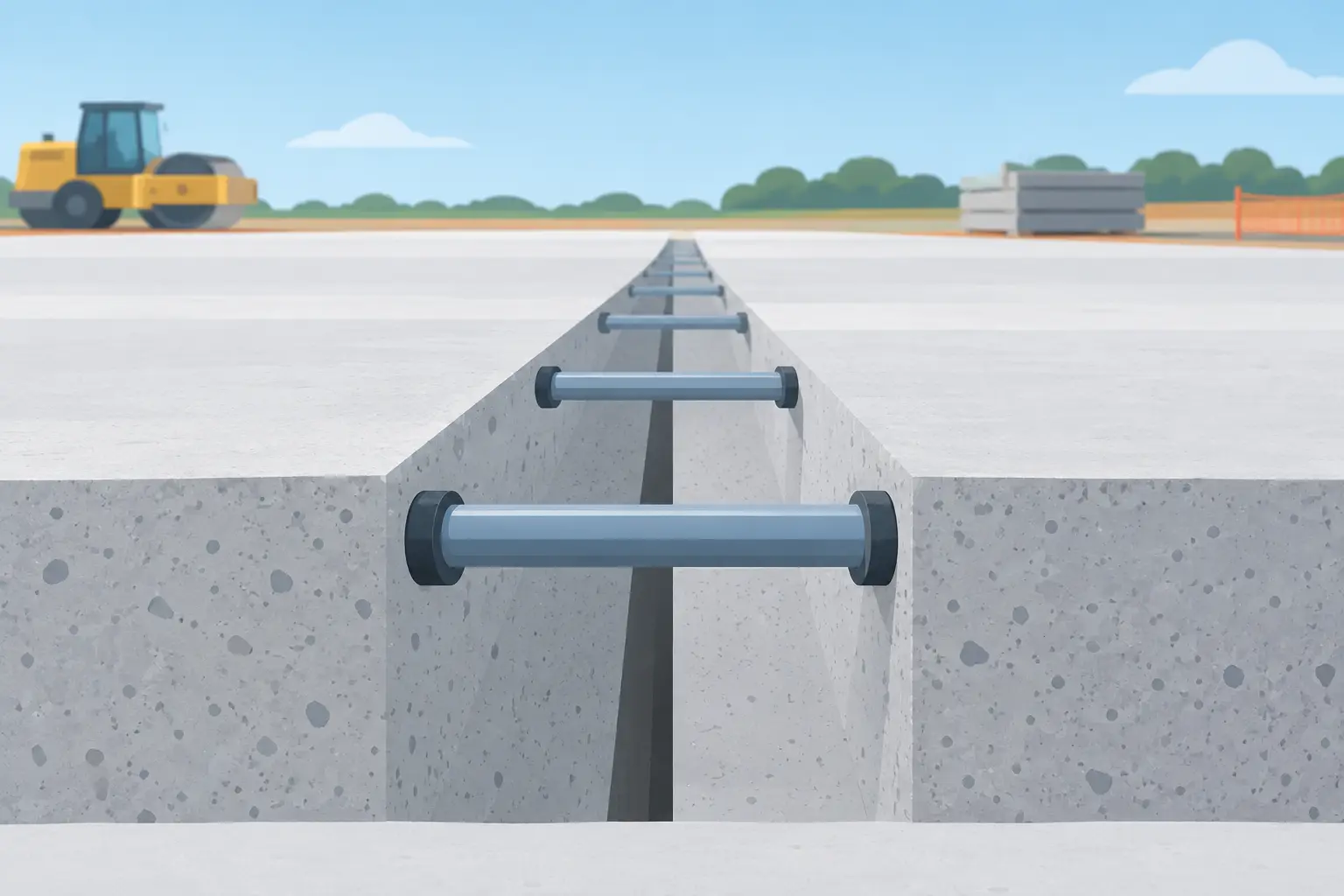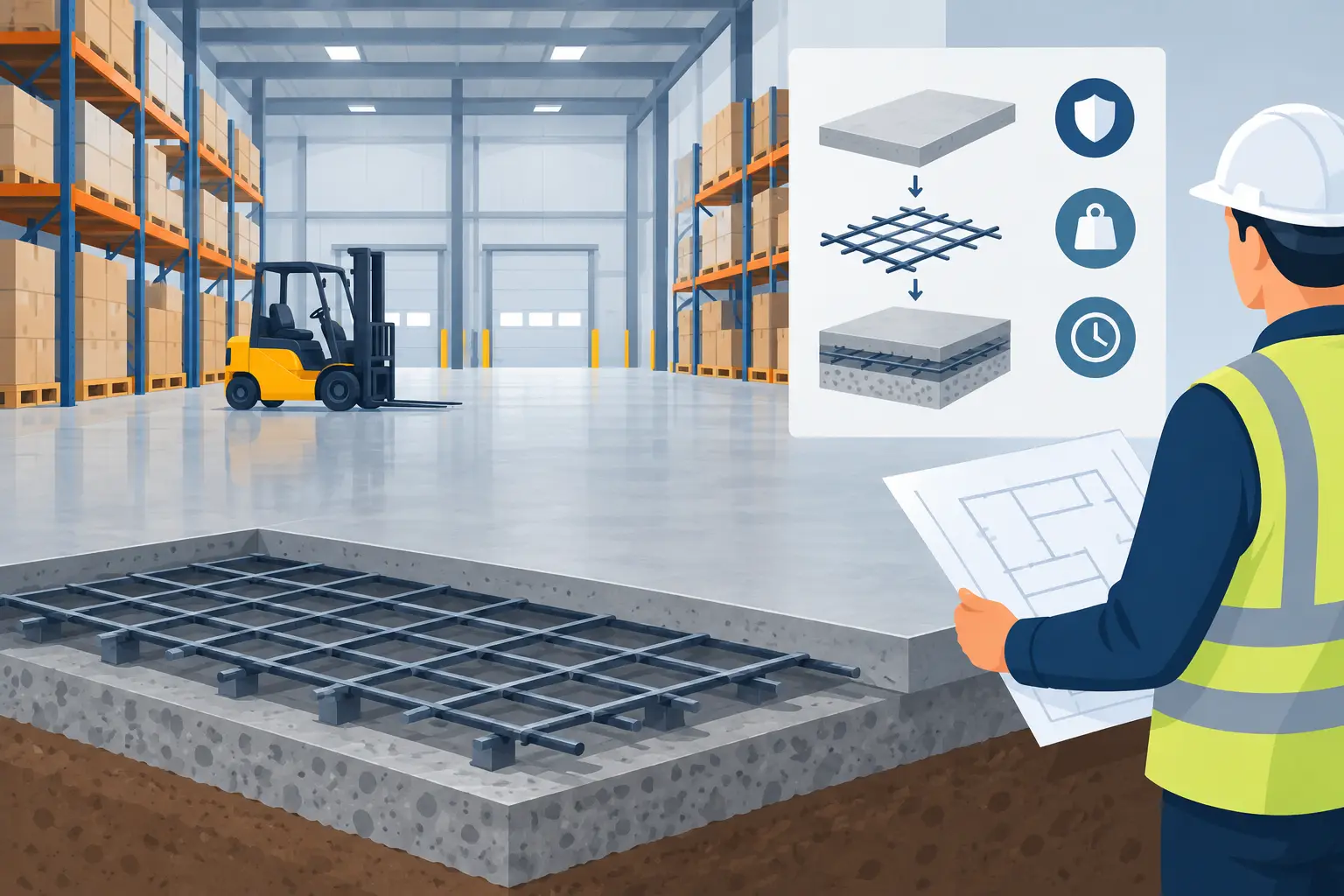
Learn how dowel bars transfer loads across concrete joints, reduce faulting, and support durable slabs with correct sizing, alignment, and installation.
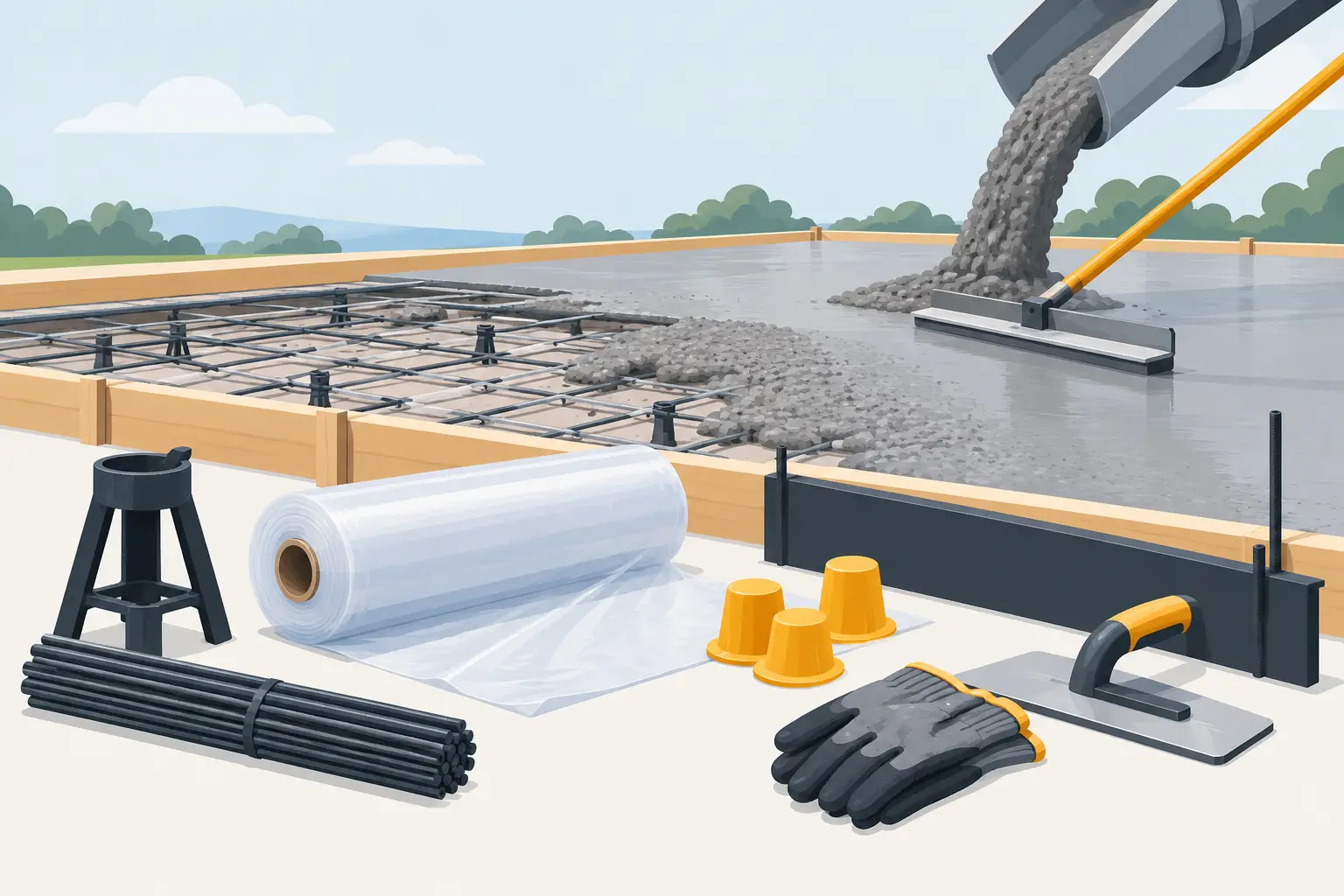
Essential Concrete Pour Accessories for Clean Slabs
A concrete truck on site with no chairs, tie wire, or form-release product is not a minor ordering gap. It can stop the crew, compromise cover, slow finishing, and turn a routine slab pour into a costly correction. Essential concrete pour accessories are the smaller site materials that keep reinforcement, formwork, placement, and finishing under control.
For builders, concrete crews, landscapers, and civil contractors, the right accessories should be ordered with the reinforcing steel – not added after the truck is booked. The exact mix depends on the slab design, site conditions, and pour method, but a few categories repeatedly make the difference between a controlled pour and a scramble.
Start With the Reinforcement Layout
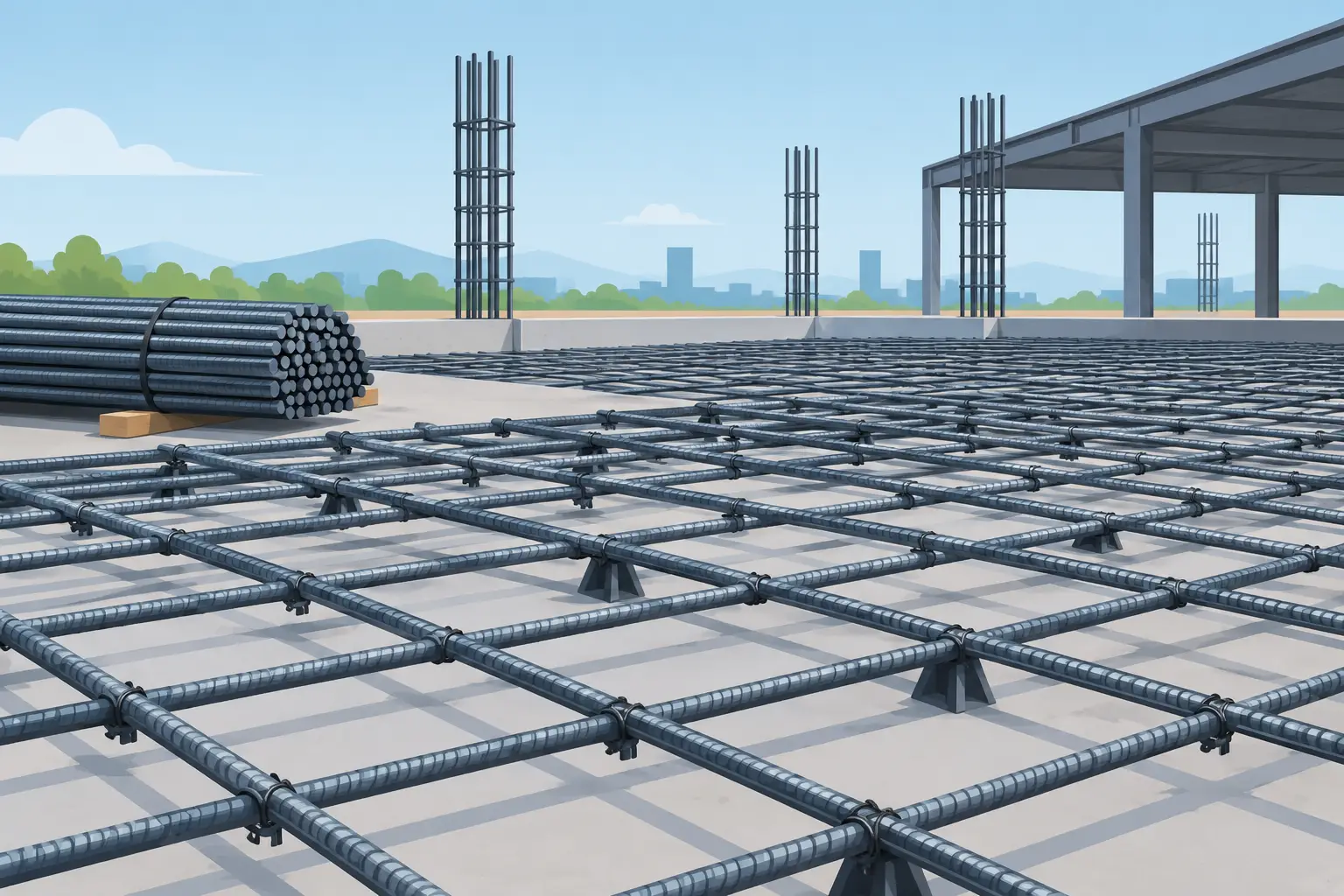
Rebar and reinforcing mesh only perform as designed when they stay at the specified height and location in the concrete. Walking on mesh, pumping concrete across a slab, or dragging a vibrator through crowded steel can shift reinforcement quickly. That is why support and tying materials belong at the front of every pour checklist.
Bar Chairs and Mesh Supports
Bar chairs support reinforcing bar and mesh above the subbase so concrete can flow underneath and provide the required cover. Without them, mesh can end up on the ground or too close to the surface, reducing its effectiveness and increasing exposure to moisture and damage.
Choose chair height from the engineer’s drawings and the required concrete cover, not from what happens to be left in the truck. A thin residential slab, a driveway, a suspended slab, and a commercial equipment pad can all require different support arrangements. Chair spacing also matters. Wider spacing may look adequate before the pour, then allow mesh to sag when workers and wet concrete load the steel.
Plastic bar chairs are a practical choice for many slabs because they are quick to place, non-corrosive, and available in common cover heights. Steel chairs may be specified for particular reinforcement arrangements or heavier loads. Use the product that suits the job specification, then install enough of it to keep the reinforcement stable through placement.
Tie Wire and Tying Tools
Tie wire holds intersections, laps, stirrups, and loose bar in position. It is inexpensive compared with the cost of repairing shifted reinforcement, but it is frequently underestimated during ordering. A large mat of bar can consume more wire than expected, especially where bars are closely spaced or the assembly must be moved before concrete is placed.
The goal is not to tie every intersection blindly. Follow the reinforcing details and tie sufficiently to keep the assembly rigid during handling and pouring. Perimeter bars, laps, starter bars, corners, and areas exposed to foot traffic generally need closer attention. Keep suitable tie-wire tools on hand so the crew is not losing time twisting wire with whatever is available.
Spacers for Vertical Reinforcement
Walls, footings, columns, and retaining structures need reinforcement held away from forms as well as off the ground. Purpose-made spacers help maintain side cover and keep the steel cage centered. Improvised timber blocks, broken masonry, or random offcuts are poor substitutes. They can move, absorb moisture, leave marks, or create inconsistent cover.
For any structural pour, the drawings and project specifications take priority. Accessories support compliance, but they do not replace checking bar size, lap lengths, cage dimensions, and cover before the concrete arrives.
Keep Formwork Ready for Placement
Forms must resist the pressure of wet concrete, stay true to line and level, and release cleanly after curing. Most form failures are not caused by one major oversight. They come from small missing items: inadequate bracing, open joints, loose stakes, or no release agent.
Form-release oil is one of the most useful accessories for timber, plywood, and reusable form faces. Applied correctly, it helps prevent concrete from bonding to the form and reduces surface tearing when stripping. Use a light, even application. Excess product can pool, mark concrete, or contaminate reinforcing steel if it is sprayed carelessly.
Form ties, clamps, stakes, braces, and sealing materials vary by form system, so there is no universal cart list. The practical rule is simple: inspect the complete form assembly before the pour. Check corners, penetrations, joints, elevations, and any area where concrete will be pumped or discharged at speed. If grout can escape through a gap, it usually will.
Plan Placement Before the Truck Arrives
Accessories are not only reinforcement products. The equipment and consumables around placement determine whether the crew can keep moving once concrete starts to set.
A concrete vibrator is essential where consolidation is required, particularly around dense reinforcement, footing bars, wall forms, and embedded items. It removes trapped air and helps concrete fully surround steel, but it needs controlled use. Over-vibration can cause segregation, while under-vibration can leave voids and honeycombing. Have the right head size, a working power source or battery setup, and a backup plan for larger or critical pours.
Screed rails or guides are useful when a slab must meet a tight elevation. They give the crew a dependable reference while striking off the concrete, especially on larger pads, sidewalks, and exterior flatwork. For smaller work, a straight screed board may be enough. For a wide commercial slab, more deliberate level control is worth the setup time.
Do not forget access. Pump hoses, wheelbarrows, boots, rakes, come-alongs, shovels, and hand floats need a planned route that does not damage reinforcement or disturb forms. If crews must repeatedly walk across mesh to reach the far side of a slab, add walk boards or adjust the placement sequence. Protecting the steel position is easier than trying to lift mesh back into place in fresh concrete.
Protect Edges, Joints, and Embedded Items
Slab edges and joints receive concentrated attention because they are visible, exposed, and vulnerable to chipping. The right finishing accessories help create durable details rather than simply making the surface look tidy on pour day.
Edging tools shape exposed slab edges, while jointers help form control joints at the correct time and depth where hand tooling is specified. For larger slabs, saw-cut joints may be the better option, but the timing still matters. Cut too early and the edges can ravel. Cut too late and random cracking may already have started. Joint layout should be decided before placement, not discussed while the slab is being troweled.
Isolation materials are equally important where a slab meets a wall, column, existing concrete, or another fixed element. They allow separate sections to move independently and help prevent the new slab from bonding where it should not. Confirm the detail on the plans, particularly around doorways, drainage points, and equipment bases.
Sleeves, blockouts, conduits, anchors, and dowels should be checked before the pour begins. Once concrete is placed, a missing penetration or misplaced fixing can become drilling, cutting, and delay. Assign one person to verify embedded items against the drawings before the first load is discharged.
Curing Materials Are Part of the Pour
Fresh concrete does not finish its work when the crew leaves. Curing supports strength development and reduces the risk of surface problems caused by rapid moisture loss. The method depends on the mix design, weather, finish requirements, and project specification.
Plastic sheeting can protect fresh work from rain, debris, and excessive evaporation when used correctly. Curing compounds provide another practical option where specified, particularly on slabs that need a simple application method over a broad area. If the concrete will receive coatings, adhesives, or finishes later, verify compatibility before applying any curing compound.
Hot, dry, or windy conditions increase the need for preparation. Have water, shade, evaporation control measures, and curing materials ready before placement starts. Cool or wet weather creates different risks, including slower set times and surface damage from rain. The right accessory is not always the same product – it is the product that suits the weather and the required finish.
Order Accessories With Enough Margin
Small consumables run out at the worst possible time. Order chairs with a realistic spacing plan, tie wire for the full reinforcement scope, and curing materials for the entire finished area. Add sensible contingency for site changes, waste, and unexpected details. It is cheaper to hold a little extra than to send a worker off site during a live pour.
Quality Steel Supplies can help crews source reinforcement essentials alongside the main steel order, keeping materials aligned with the planned pour sequence. Clear product selection, available stock, and prompt delivery support matter because concrete schedules do not wait for missing accessories.
Before booking the truck, walk the slab one final time: confirm the steel is supported, ties are secure, forms are tight, embeds are in place, tools are working, and curing materials are ready. That last check is often the most valuable accessory on the job.
Related Posts