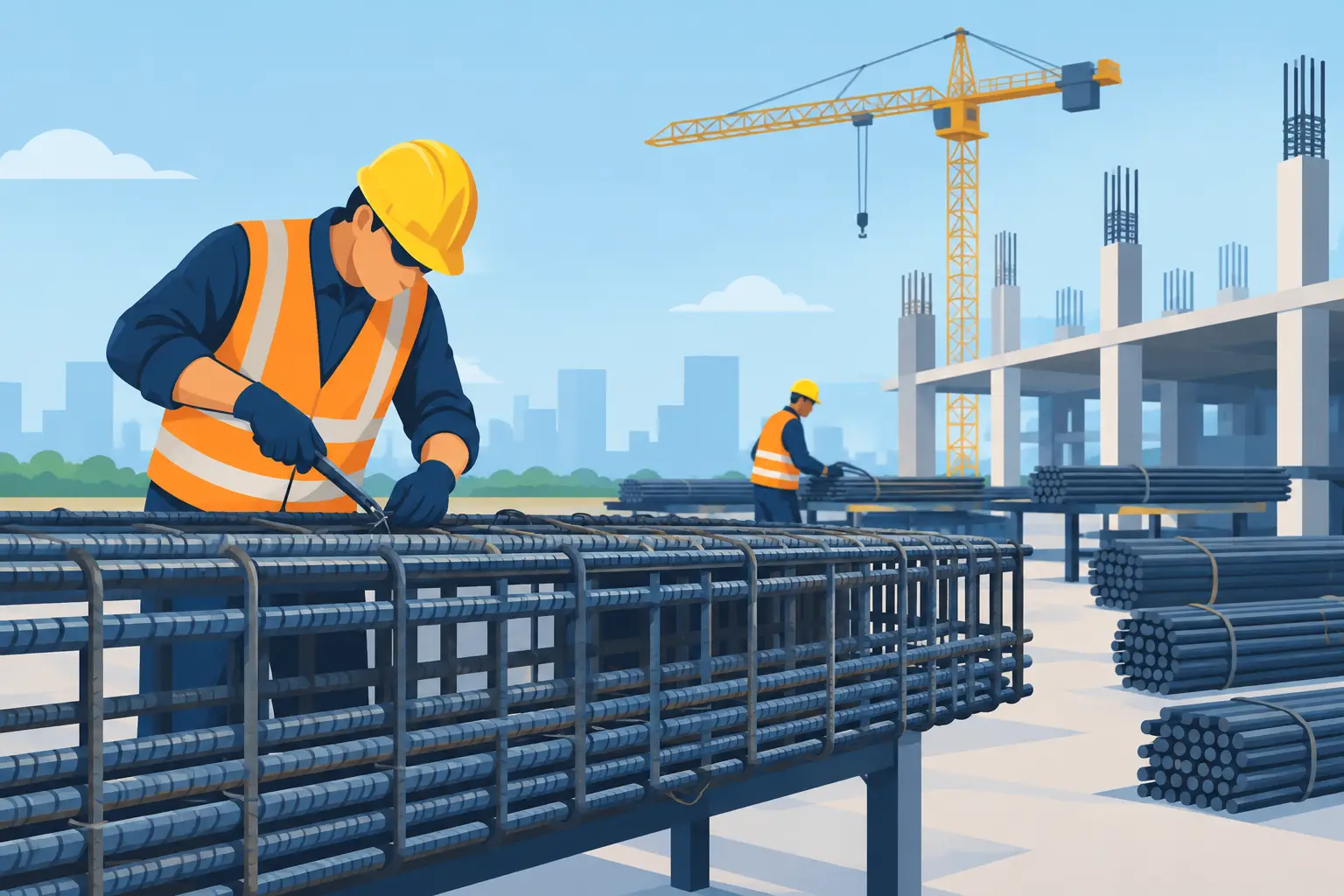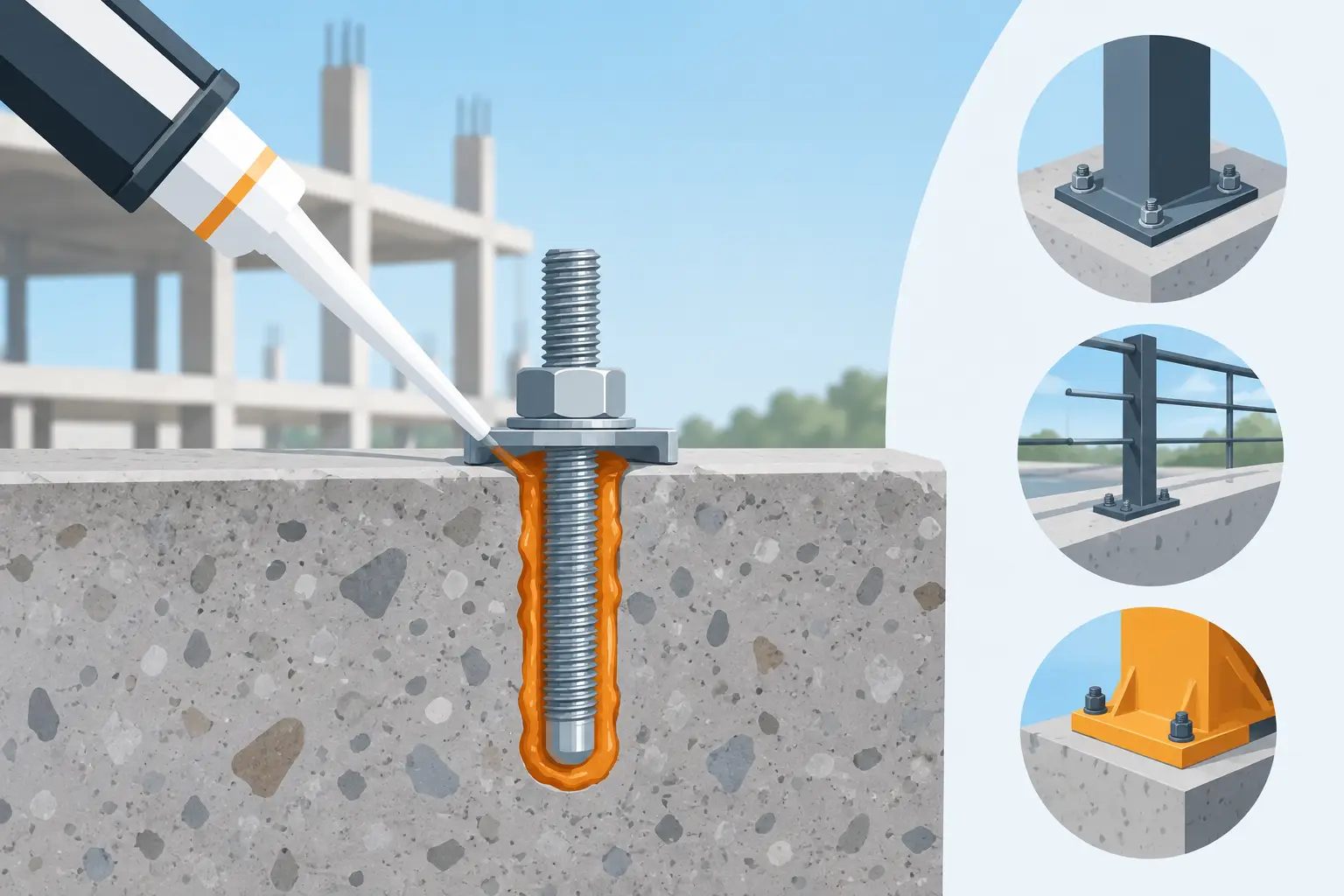
Rebar fabrication services reduce field cutting, support accurate placement, and help concrete crews keep schedules, inspections, and deliveries on track.
What Causes Asphalt Cracks? A Site-Level Guide
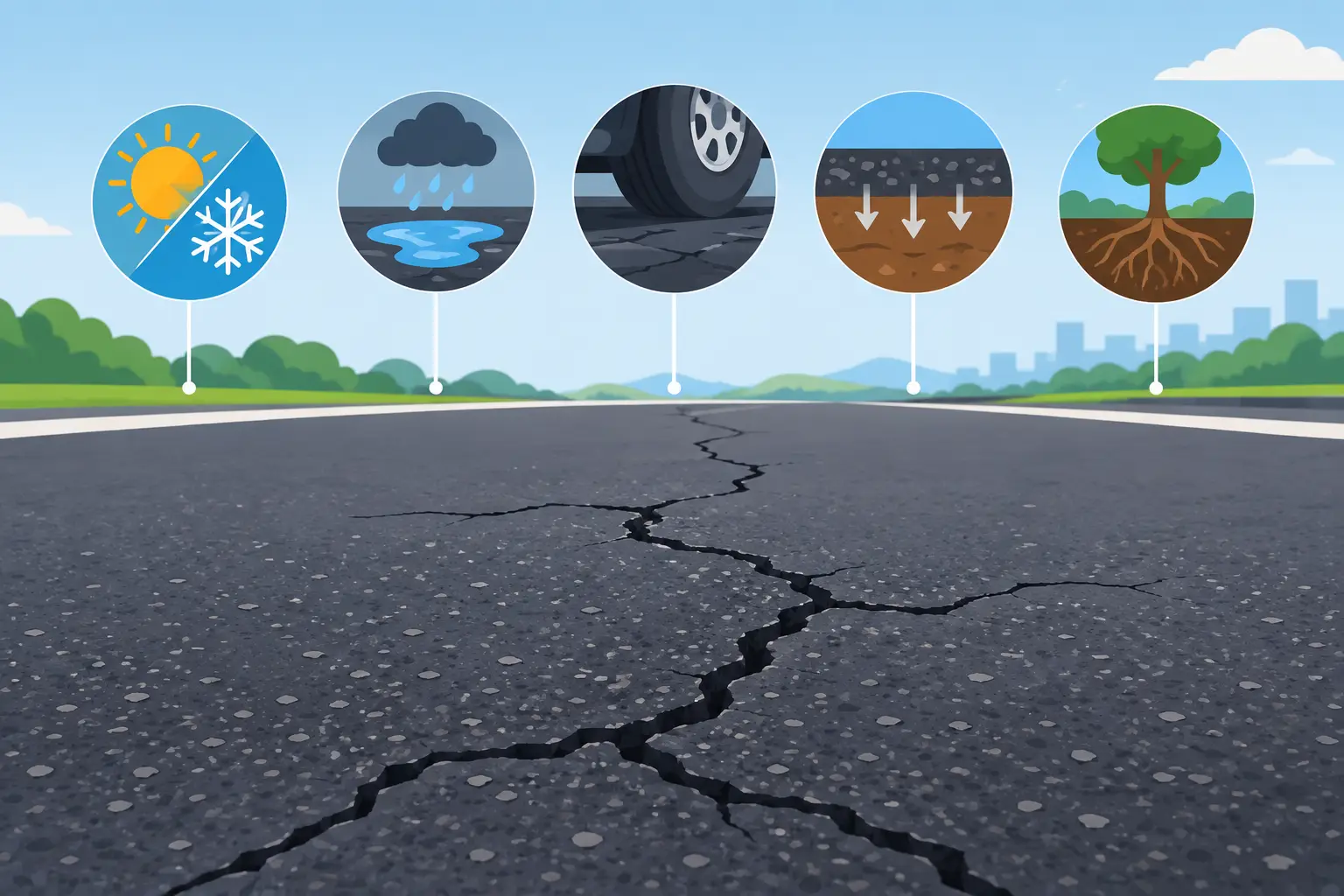
A new asphalt surface can look sound at handover, then start showing cracks well before its expected service life. So, what causes asphalt cracks? Usually, the visible crack is only the final sign of a problem below the surface: trapped water, a weak base, movement in the subgrade, or loads the pavement was not designed to carry.
For builders, civil crews, landscapers, and property owners, the practical point is simple. Filling a crack without identifying why it formed can turn a minor maintenance job into repeat callouts, surface failure, and costly removal later. The repair needs to suit both the crack type and the condition of the pavement structure.
What Causes Asphalt Cracks in Working Pavements?
Asphalt is flexible, but it is not immune to movement. It relies on a stable, well-compacted foundation to spread vehicle loads and keep the asphalt layer supported. When the ground, base course, drainage, or asphalt mix is compromised, the surface begins to flex, shrink, or separate.
Water entering the pavement
Water is one of the most common causes of asphalt deterioration. It enters through unsealed joints, small surface cracks, failed edges, utility cuts, or poor drainage around the pavement. Once water reaches the base course or subgrade, it can soften fine material and reduce the bearing capacity beneath the asphalt.
Traffic loading then pushes the unsupported asphalt downward. That movement often creates interconnected fatigue cracks, rutting, depressions, and eventually potholes. A crack that stays open also lets in more water, so the damage cycle accelerates quickly.
Surface water should drain away rather than pond along wheel paths, low points, curbs, or building edges. The asphalt needs sufficient fall, functioning drainage outlets, and a sound transition where it meets concrete, landscaping, or other surfaces. If water is consistently sitting on a driveway or hardstand, crack sealing alone will not solve the underlying issue.
Poor base preparation and compaction
An asphalt surface is only as reliable as its base. If the subgrade was not proof-rolled, trimmed, stabilized where needed, or compacted correctly, it can settle after construction. The same applies when the granular base is too thin, poorly graded, wet during placement, or inadequately compacted in lifts.
Settlement cracks often follow areas of changed ground conditions, trenches, service connections, old fill, and pavement edges. They may run in a relatively straight line or form a localized depression. In these cases, the repair may require excavation and rebuilding of the failed base, not just an asphalt patch placed over the top.
Compaction matters at the asphalt layer as well. Under-compacted asphalt contains more air voids, making it easier for water and air to oxidize the binder. It becomes less flexible over time and is more likely to crack under loading. Good installation practice, correct rolling sequence, and suitable material temperature all affect long-term performance.
Traffic loads beyond the design
A residential driveway used only by passenger vehicles requires a different pavement design from a delivery yard, construction access road, loading area, or industrial hardstand. Repeated truck movements, turning wheels, point loads from skip bins, and equipment with high axle weights can overstress asphalt that was designed for lighter use.
Alligator cracking is a typical sign of structural fatigue. It appears as a network of connected cracks that resembles reptile skin, often in wheel paths. This is not simply a surface issue. It normally indicates the pavement structure is flexing under traffic because the asphalt, base, subgrade, or all three are no longer providing adequate support.
A durable repair starts with checking how the area is actually being used. If the traffic pattern has changed, rebuilding to the original light-duty specification will likely result in the same failure returning.
Heat, oxidation, and aging binder
Asphalt binder gradually oxidizes as it is exposed to sunlight, air, and weather. Over time, the binder loses flexibility and the pavement becomes more brittle. This is often seen as fine, random surface cracking on older pavement, especially where maintenance has been delayed.
Heat can also contribute to movement and softening, particularly in heavily loaded areas. Turning tires and slow-moving vehicles can scuff or deform warm asphalt, while repeated temperature changes cause the surface to expand and contract. On a sound base, these effects are manageable. On a weak or wet base, they add to existing stress and speed up cracking.
Surface treatments and timely crack sealing can slow aging, but they cannot restore structural capacity. If the asphalt is extensively brittle, thin, or deformed, an overlay or reconstruction may be the better value.
Weak edges and unsupported pavement
Asphalt edges are vulnerable because they have less lateral support than the middle of the pavement. Vehicles driving close to an edge, poor shoulder support, erosion, or landscaping that traps water can cause edge cracking. Cracks may run parallel to the pavement edge and eventually break away in sections.
This is common on narrow driveways, access lanes, and parking areas where vehicles routinely track outside the intended wheel path. Supporting the edge with properly compacted shoulder material, widening the pavement where practical, and directing water away from the side can prevent repeated breakouts.
Utility cuts, joints, and construction interfaces
Any time a trench is cut through pavement, the reinstated section becomes a potential weak point. If trench backfill settles or is not compacted properly, cracks can develop along the cut line. The same applies at interfaces between new and existing asphalt, concrete slabs, drainage channels, and service pits.
These locations need clean, properly prepared edges and compatible joint treatment. A visible straight crack at a construction joint is not always a structural failure, but it should be sealed before water can reach the layers below.
Read the Crack Before Choosing the Repair
The crack pattern gives a useful first indication of what is happening. Hairline, isolated cracks in otherwise stable asphalt may be suitable for cleaning and sealing. Wider cracks with sound, firm pavement on either side may need routing and a flexible sealant, depending on movement and site conditions.
Where cracks are accompanied by pumping water, soft spots, rutting, depression, loose aggregate, or alligator patterns, plan for a deeper repair. The failed asphalt should be removed back to sound material, and the base and subgrade should be checked before new asphalt is installed. A patch that bridges soft material will not carry traffic for long.
Potholes need the same disciplined approach. Cut the damaged area into a regular shape with firm vertical edges, remove wet or loose material, rebuild and compact the base as required, then place and compact the asphalt. Throwing loose mix into a wet pothole may provide a short-term safe surface, but it is not a permanent repair.
Preventing Cracks Starts Before Paving
The best asphalt repair is the one avoided through correct site preparation. Before paving, confirm the ground is stable, drainage routes are established, and the base thickness matches the intended traffic. Areas used by trucks, forklifts, delivery vehicles, or construction equipment should be designed for those loads rather than assumed to perform like a light-duty driveway.
During construction, keep base materials dry enough to compact properly, control levels to prevent ponding, and make sure utility trenches and perimeter edges receive the same attention as the main pavement area. On existing surfaces, seal small cracks early, keep drains clear, and act on localized settlement before it spreads.
For repair work, the material is only one part of the job. Asphalt repair products can help restore a damaged area quickly, but correct preparation, compaction, drainage, and base support are what give that repair a service life worth paying for.
If a crack keeps reopening, treat it as a site condition to investigate rather than a gap to refill. Checking water movement, vehicle loading, and support below the asphalt early is usually the fastest way to keep a small defect from becoming a full pavement replacement.
Related Posts