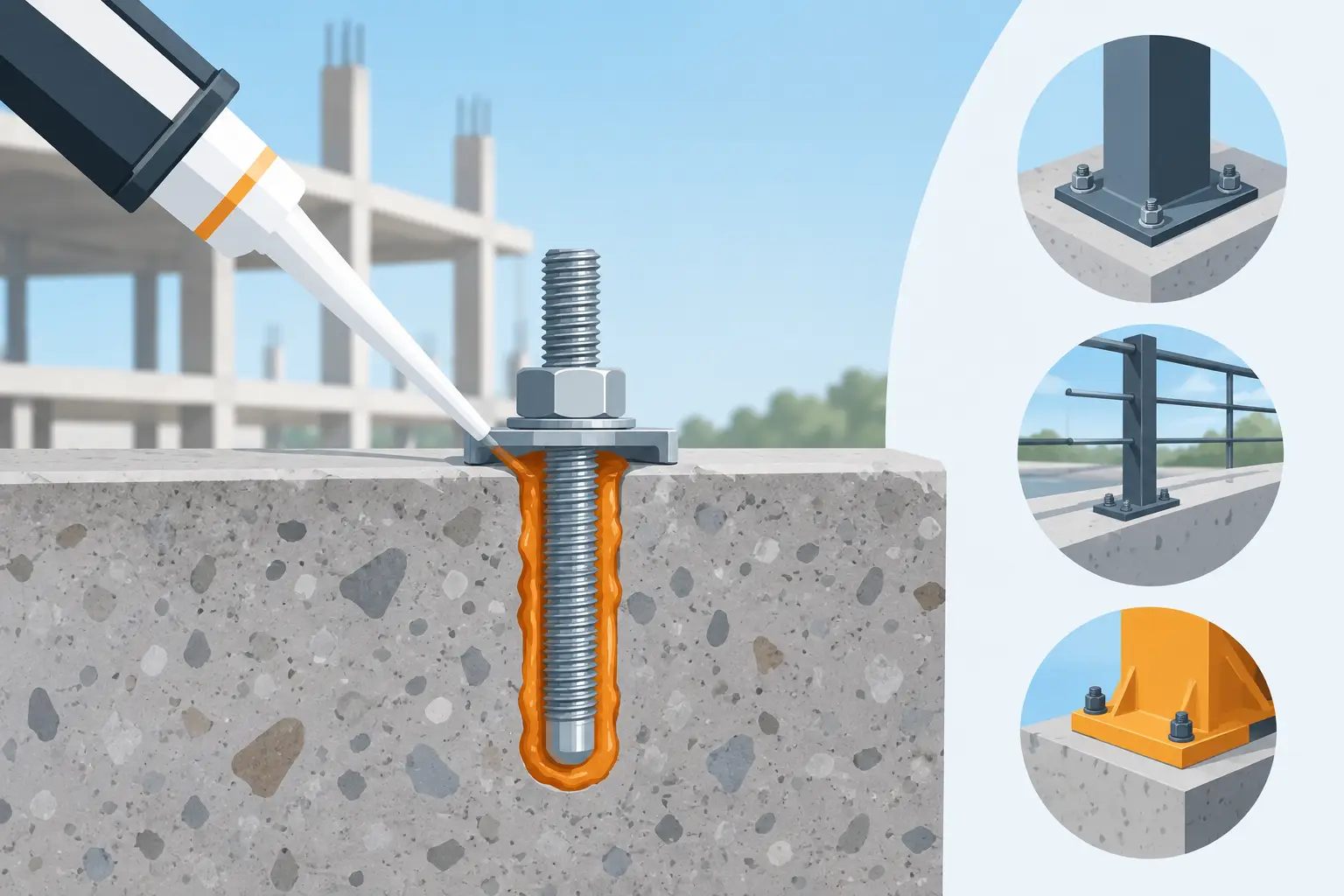
Rebar fabrication services reduce field cutting, support accurate placement, and help concrete crews keep schedules, inspections, and deliveries on track.
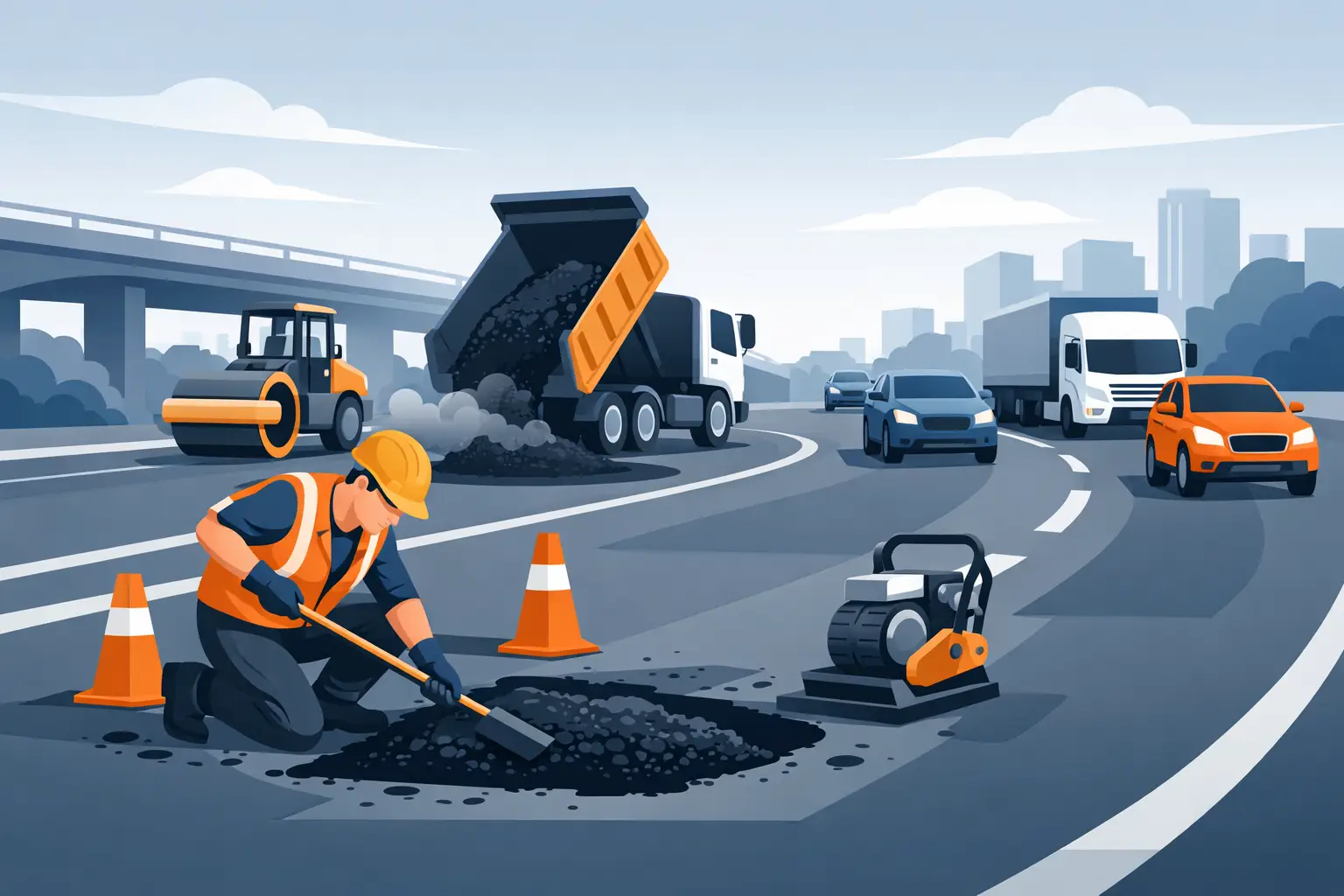
Asphalt Repair That Holds Up Under Traffic
A pothole that gets patched twice is rarely a material problem alone. Most failed asphalt repair comes back to water left in the hole, soft base material, weak edges, or a patch placed without enough compaction. For crews managing driveways, parking areas, access lanes, and site entrances, the goal is not simply to make a defect look better. It is to restore a surface that can take traffic without becoming the next callout.
The right repair method depends on what failed below the surface. A shallow, isolated pothole can often be repaired quickly with the right patch mix and compaction. Widespread cracking, rutting, or depressions usually point to a bigger drainage, subbase, or pavement-design issue. Treating those failures as a simple surface patch wastes labor and material.
Start Asphalt Repair by Finding the Cause
Asphalt is flexible, but it still relies on a stable, well-drained base. When water enters through cracks or around broken edges, it weakens the base course. Vehicle loads then flex the unsupported asphalt until it cracks, pumps, or breaks away. Heavy trucks and repeated turning movements speed up the process, particularly at loading zones, gateways, and tight parking areas.
Before ordering material, inspect the repair area after rain if possible. Look for standing water, soft spots, edge failure, and fine material washing out from the damaged section. If the pavement is sinking, the problem may extend below the asphalt layer. If cracks are widespread in a pattern resembling alligator skin, the asphalt and base have likely failed together.
A sound repair starts by matching the scope of work to the failure:
- Small cracks may only need cleaning and crack sealing before water gets underneath.
- A shallow pothole with firm material below can be patched with a suitable asphalt repair mix.
- A deep pothole, pumping area, or sunken section needs failed asphalt and unstable base removed before rebuilding.
- Broad rutting or repeated failures may require drainage corrections and a larger pavement replacement area.
There is no value in filling a hole over wet mud or loose aggregate. It may look finished at handover, but traffic will expose the shortcut quickly.
Choose the Patch Material for the Job Conditions
Cold patch asphalt is a practical option for many small repairs, especially where crews need to complete work without hot-mix plant access or a paving crew. It is useful for potholes, utility cuts, driveway defects, and maintenance work where quick placement matters. Quality varies by product, so use material intended for the expected traffic level and follow the supplier’s placement guidance.
Cold patch is convenient, but it is not a cure for poor preparation. It performs best in a clean, firm excavation with enough depth to compact the material properly. It can be a dependable maintenance solution for small areas, while hot mix or a full-depth pavement repair may be the better choice for high-volume commercial traffic, large failed areas, or work governed by project specifications.
For larger work, consider the total repair system rather than only the top layer. That can include base aggregate, asphalt mix, tack coat where specified, edge treatment, and compaction equipment. Ordering the patch material without allowing for base rebuild is a common reason jobs lose time once excavation starts.
How to Repair a Pothole Properly
A lasting pothole repair is a controlled sequence. The work is straightforward, but skipping steps usually shows up later as loose edges, settlement, or water getting back into the patch.
Cut back to firm edges
Remove loose, broken, and cracked asphalt until the perimeter reaches sound pavement. For a better long-term repair, make clean vertical edges rather than feathering new material out over fractured asphalt. A square or rectangular cut is easier to compact and gives traffic less opportunity to pull the patch apart.
Excavate until the bottom is firm. If the underlying aggregate is saturated, pumping, or soft under foot or machine traffic, remove it. Replace it with suitable compacted base material in manageable lifts. The base must be stable before the asphalt goes down.
Clean and dry the repair area
Sweep out loose stones, dirt, and standing water. Damp conditions can sometimes be unavoidable in maintenance work, but the repair area should be as clean and dry as site conditions allow. Moisture trapped in the base is a warning sign, not something to cover over and forget.
If the repair ties into existing asphalt, follow the project or product requirements for tack coat or bonding treatment. This helps the new material bond at the edges rather than moving independently under traffic.
Place the patch at the right depth
Place asphalt repair material in layers when the repair is deep. Thick, loose lifts are difficult to compact all the way through, leaving weak material at the bottom. The suitable lift thickness depends on the product and available compaction equipment, so check the manufacturer’s directions and the job specification.
Slightly overfill the final layer before compacting. The finished patch should generally sit level with, or just above, the surrounding pavement where settlement is expected. A low patch collects water. A high patch can be damaged by plows, vehicle impacts, or repeated tire loading.
Compact from the outside in
Compaction is what turns loose patch material into a traffic-bearing repair. Use a plate compactor, roller, or other appropriate equipment for the size of the patch. Start at the edges and work toward the center to lock the patch into the surrounding pavement.
For very small repairs, hand tamping may be possible, but it is rarely equal to mechanical compaction. If the repair is on a truck route, forklift path, or busy driveway, use equipment that can deliver the density the patch needs. The time spent compacting is far cheaper than returning to rebuild the same hole.
Treat Cracks Before They Become Potholes
Cracks are often the first visible sign that water has a path into the pavement structure. Early maintenance is usually faster and less disruptive than waiting for traffic to break the surface apart.
Clean out vegetation, dirt, and loose asphalt from the crack. Use a suitable crack-sealing product for the crack type and movement expected. Very fine surface cracking can indicate aging asphalt, while wider or interconnected cracks may signal base movement. Sealing the surface may slow water intrusion, but it will not correct structural failure below.
Do not seal over cracks that are actively breaking apart or over an area that has settled. Those sections need excavation and rebuilding, not cosmetic treatment. The key question is whether the pavement beneath the crack is still sound.
Plan for Water, Traffic, and Timing
The best patch mix cannot overcome water flowing into the same low spot every time it rains. Check grades, downspouts, drainage channels, curb lines, and site runoff before closing out the repair. If the damaged area is at the bottom of a slope, improving drainage may be part of the real repair scope.
Traffic management also matters. Give the repair adequate protection from vehicle loads while it is being placed and compacted. Where possible, schedule repairs around peak movements and keep heavy vehicles off fresh work until the material is ready for service under its product requirements.
For property managers and contractors, it helps to keep a simple record of recurring pavement repairs. Note the location, depth, weather conditions, traffic type, and whether base material was replaced. Patterns quickly reveal whether a site needs routine maintenance or a more substantial pavement fix.
Avoid the Shortcuts That Cause Repeat Callouts
The most common asphalt repair failures are predictable: filling over loose material, using patch material too thinly, failing to compact, leaving edges feathered, and ignoring drainage. Each shortcut saves a few minutes at installation and can cost far more in return labor, disrupted access, and customer complaints.
Material availability is part of keeping the work moving, especially when a damaged driveway, access lane, or parking area needs attention quickly. Keep suitable asphalt repair materials and base aggregate in the maintenance plan for sites where vehicle traffic cannot wait for a major paving program.
A clean excavation, stable base, correct material depth, and firm compaction will not make every pavement problem disappear. They will, however, give a repair the best chance of carrying its share of the load until the next planned maintenance cycle.
Related Posts